
Ever spotted a little striped critter darting through your yard and wondered if it’s just a big mouse? Honestly, chipmunks and mice might look sort of alike at first glance, but a chipmunk isn’t a mouse—it’s a squirrel cousin, and they come from totally different rodent families. This difference actually matters, especially if you’re curious about their habits or want to know how to deal with them safely.
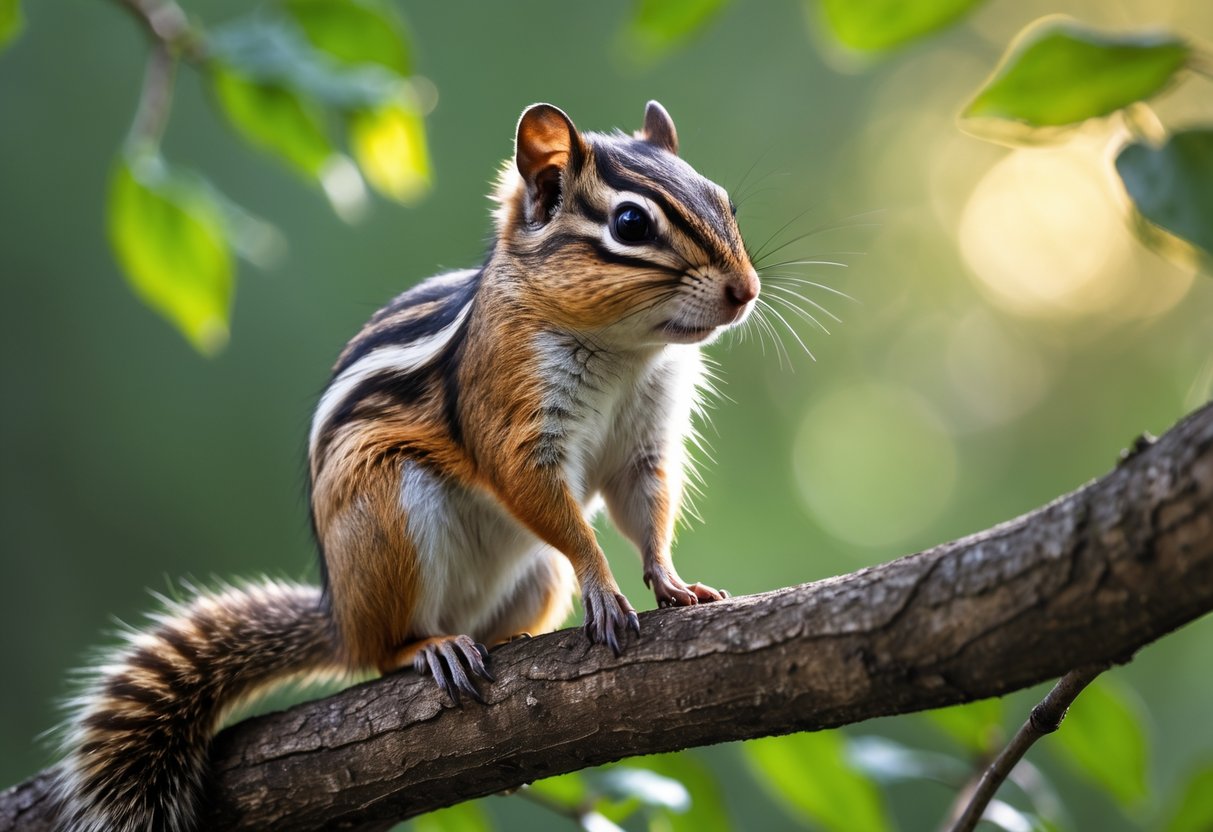
Chipmunks stand out with their stripes and those adorable cheek pouches for hauling food. Mice? They’re smaller, with smooth fur and no cheek pouches at all.
Knowing which is which makes it way easier to spot them outside or figure out who’s been visiting your garden. If you’re itching to know what really sets chipmunks apart from mice, stick around—there’s more to these little guys than you might think.
Is a Chipmunk the Same as a Mouse?

People often guess chipmunks and mice are close relatives since they’re both small rodents. But honestly, they’re pretty different—from their looks to their habits and where they hang out.
It’s good to know these differences if you care about nature or just want to tell them apart in your yard.
Taxonomy and Classification
Both chipmunks and mice fall under the rodent umbrella, but they split off into different branches. Chipmunks? They’re actually a type of squirrel, part of the Sciuridae family. That’s the same group as regular squirrels, flying squirrels, and even woodchucks.
Mice, on the other hand, belong to the Muridae family. That’s a whole separate crew from chipmunks and squirrels.
Take the eastern chipmunk—it’s from the genus Tamias. Meanwhile, the common house mouse comes from the genus Mus.
So, chipmunks are definitely closer to squirrels than to mice or rats. It’s kind of wild when you think about it.
Physical Appearance and Features
If you put a chipmunk next to a mouse, their differences jump out right away. Chipmunks have those bold stripes running down their backs and sides—mice just don’t.
Chipmunks look chunkier, with bushy tails, while mice have those skinny, almost naked tails.
You’ll notice chipmunks have bigger eyes and rounder snouts. Mice usually have pointier faces and smaller eyes. Honestly, chipmunks just look a bit cuter and more colorful, with their thicker fur and mix of browns, blacks, and whites.
Chipmunks are bigger too. They usually measure 8 to 10 inches long, tail included. Mice are much tinier—just 3 or 4 inches in body length.
Behavior and Habitat
Chipmunks spend a lot of time on the ground, but they’ll climb trees to grab nuts and seeds. They dig underground burrows with several entrances and stuff food into their cheek pouches to haul it home.
A lot of chipmunks stash food for winter, and some even hibernate.
Mice usually move into homes or hide out in fields. They stay active all year and squeeze through tiny cracks to build simple nests.
Mice mostly eat seeds and plants. Chipmunks mix things up more, eating insects and bird eggs too.
If you watch for a while, you’ll see chipmunks scurrying around during the day, but mice tend to sneak out at night. That little difference makes it easier to figure out who’s around your house or garden.
Curious to dive deeper into chipmunks? Check out this chipmunk facts page.
Chipmunks and Mice: Impact on Gardens and Health

Chipmunks and mice both show up in gardens, but they cause problems in their own ways. They’ll munch on plants and seeds, dig tunnels that mess with your property, and sometimes carry diseases you should know about.
Diet and What They Eat
Chipmunks have a pretty broad menu. You’ll catch them eating seeds, nuts, berries, and fruit. They don’t stop there—they also go for insects, worms, and even bird eggs.
Those cheek pouches aren’t just for show; chipmunks use them to carry tons of food back to their burrows.
Mice stick mostly to seeds, fruits, and veggies. They’ll nibble on roots and tubers like potatoes or carrots. Sometimes, they go after garden crops—peas, cucumbers, you name it—especially if the plants are close to the ground.
Both critters can mess up your garden by eating plants or digging up bulbs. Chipmunks are famous for swiping seeds and fruit, while mice often chew on roots and young tree bark.
Burrowing Habits and Damage
Chipmunks dig burrows under gardens and next to things like patios or walls. Their tunnels shift the soil, which can damage foundations or retaining walls. They use these tunnels to stash food and dodge predators.
Mice make shallow burrows or nests out of grass, leaves, or even scraps of cloth. They build little paths near plants, making it easy to reach fruits and veggies.
Mice tunnels can mess with roots, especially on young trees, and that can stunt their growth.
All this digging weakens the soil and hurts your garden’s plants by exposing roots or yanking up seedlings. You might spot tilting stones or uneven dirt where they’ve been busy.
Potential Disease Risks
Chipmunks sometimes carry diseases like leptospirosis. Their urine can spread it to humans, which honestly sounds pretty unpleasant.
The risk isn’t huge, but you’ll probably want to avoid touching their droppings or nests just in case.
Mice can bring hantavirus into the picture—a serious illness that travels through airborne particles from their droppings or urine. If you’re dealing with a mouse problem, grab some gloves and clean up thoroughly.
Both chipmunks and mice might introduce fleas or ticks into your yard. Those little insects occasionally spread diseases to pets or people, which is never fun.
If you take steps to control chipmunks and mice around your home, you’ll lower these health risks and keep your garden safer. Want more info? Check out this detailed guide on chipmunk control and garden impact.


