
Ever wondered if chipmunks eat mice? You’re definitely not alone. These little guys look cute and harmless, but their diet might surprise you. Chipmunks do eat mice—mostly baby or dead ones, though they’ll go after adult mice if they’re desperate.
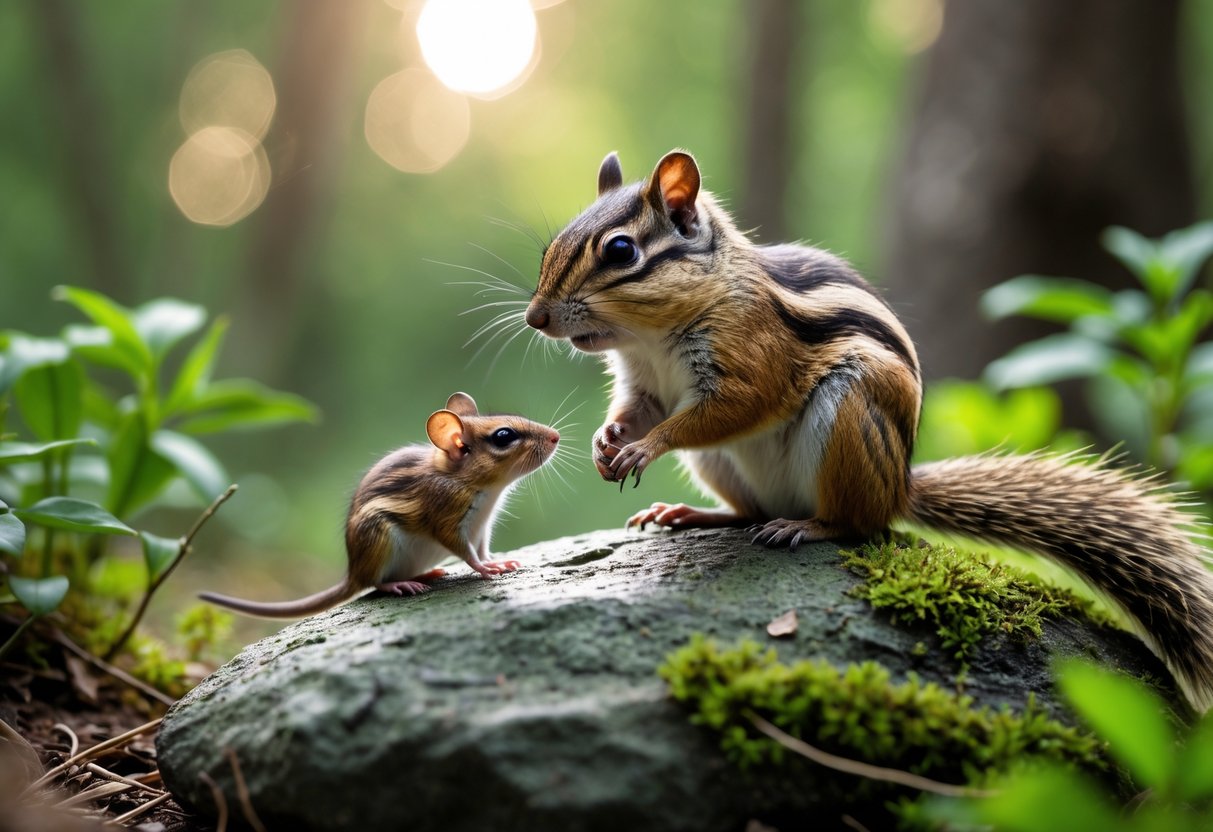
It’s kind of wild to think about a chipmunk catching a mouse, right? They don’t really stalk mice like a cat does. Instead, they’re opportunistic eaters, grabbing whatever’s easiest. If food is running low, a mouse might end up on the menu.
Knowing what chipmunks eat helps you figure out what role they play in your yard or garden. If you’re curious about their eating habits or want to know if they help keep mice away, let’s dig in.
Do Chipmunks Eat Mice?

Most folks know chipmunks for munching on seeds, nuts, and fruit. But sometimes, they’ll eat small animals too—including mice. How often they do this really depends on where they live and what food’s around.
You’ll notice their diet is pretty varied next to other rodents.
Chipmunks as Omnivorous Rodents
People don’t usually picture chipmunks eating meat, but they’re actually omnivores. They eat both plants and animals, not just nuts and seeds. Besides their usual fare, chipmunks will eat insects, worms, and sometimes even baby mice.
They don’t go out of their way to hunt, but if they find eggs, nestlings, or injured prey, they’ll eat those too.
Their diet lets them get through different seasons. In the fall, for example, they gather food—sometimes animal protein—to stash for winter. Eastern chipmunks, especially in wooded areas, really show off this behavior.
Prey vs. Diet: What Chipmunks Actually Eat
Chipmunks don’t treat mice as their main food source. Instead, they eat mice or other small rodents when the opportunity pops up. If a mouse or its babies are easy to catch, chipmunks might eat them for the protein boost.
This happens more often where food is hard to find or there’s lots of competition.
They also scavenge eggs, baby birds, and plenty of insects. Here’s a quick look at what they eat:
- Seeds and grains
- Fruits and nuts
- Insects and worms
- Bird eggs and nestlings
- Occasionally, small rodents like mice
If you want more info, check out this article on chipmunks’ feeding habits.
Comparison With Other Rodents
Compared to mice, rats, and squirrels, chipmunks have a more flexible diet. Mice mostly stick to grains and seeds. Rats, on the other hand, eat almost anything. Squirrels focus on nuts and seeds, but sometimes eat insects or eggs.
Chipmunks stand out because they mix plant foods with animal protein, including small rodents and bird eggs. This helps them compete with other rodents and dodge food shortages.
In forests, chipmunks sometimes outcompete mice and even squirrels just because they’re not picky. That flexibility really gives them an edge. You can read more about chipmunks eating mice in this Reddit discussion.
Understanding Chipmunk Behavior and Control

Chipmunks spend most of their time in busy burrows, storing up food. They eat a huge variety of things and sometimes cause headaches in the garden.
Knowing how they live and eat can help you keep your property safe.
Burrowing and Feeding Habits
Chipmunks dig out complex burrows—sometimes up to 30 feet long and 3 feet deep. They add several entrances, but usually only leave one open. The rest stay hidden under leaves to keep predators away.
They snack on nuts, seeds, berries, insects, and even small animals like mice. Chipmunks don’t hibernate, but they hang out underground during cold months, only coming up on warmer days to grab some stored food.
To stop chipmunks from digging under your house or garden, you can put up hardware cloth around the base. That helps block their burrow entrances and keeps your space safe.
Chipmunks as Garden Pests
Chipmunks can make a mess in the garden. They’ll eat fruits, veggies, and seedlings, which can undo a lot of your effort. They also gnaw on tree bark and wood, leaving marks and damage behind.
If you spot holes or see chipmunks darting around your plants, you probably found the culprit. Their burrowing can mess with roots, making plants weak or even killing them.
Because chipmunks can carry things like hantavirus, you should avoid direct contact and use safe ways to keep them out of your garden.
Wildlife Control Methods for Chipmunks
When chipmunks start causing trouble, you’ve got a few ways to handle it. Some people use hardware cloth fences and dig them a few inches into the ground, which usually keeps chipmunks out of certain spots.
You can also try trapping, but you really need to be careful. The last thing anyone wants is to hurt a chipmunk or accidentally catch another animal.
Skip the poisons. They’re risky for pets and other wildlife, and honestly, they’re just not a good idea.
Try clearing out piles of debris and sealing up any entry holes around your house or sheds. If you take away their hiding spots, chipmunks are much less likely to stick around.
If it all feels overwhelming, you might want to call in wildlife control pros. They know how to handle chipmunks safely and in a way that’s actually humane.


