
If chipmunks keep digging up your garden or messing with your plants, there are a few smells that might just do the trick. Scents like peppermint, cayenne pepper, garlic, and eucalyptus can really make chipmunks think twice about hanging around your yard.
These odors hit their noses hard, and honestly, chipmunks just can’t stand them. Your garden ends up a lot less attractive to these little guys.
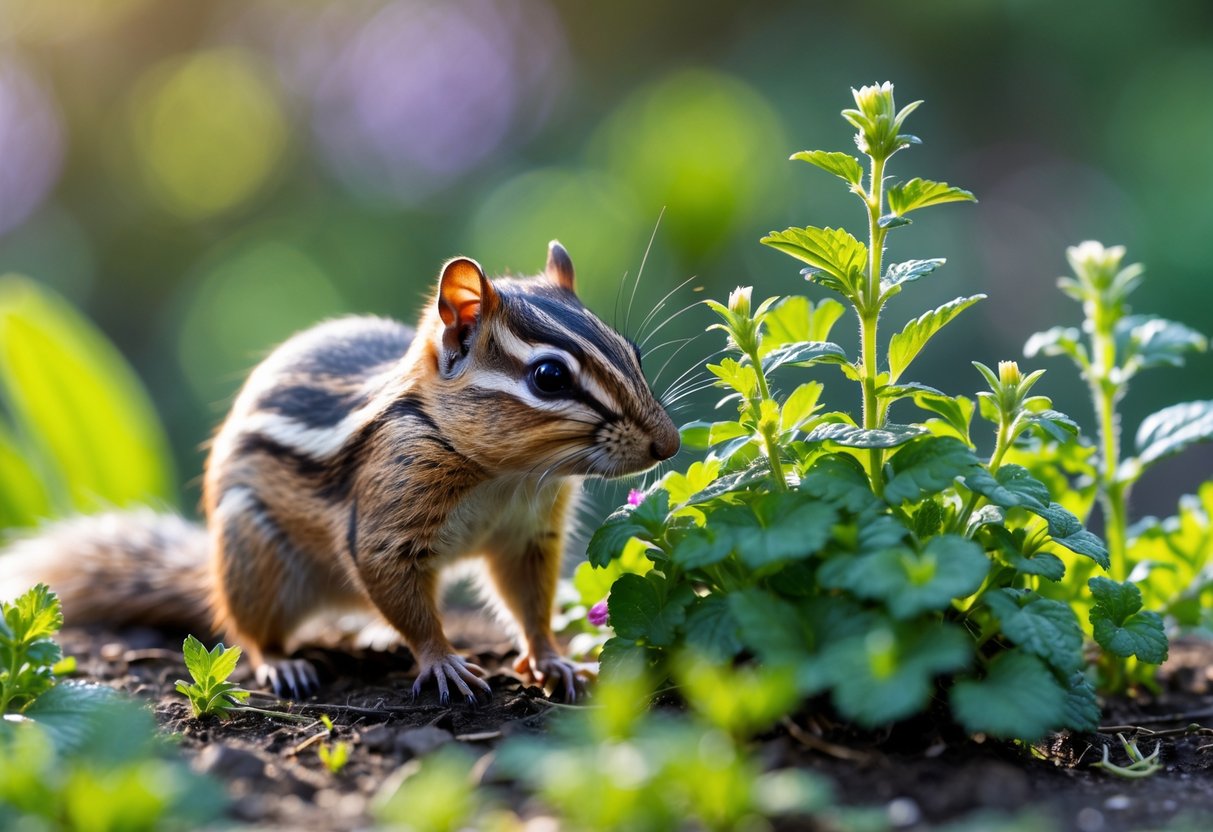
Using these natural scents is pretty simple—and safe, too. Grab some cotton balls, soak them in peppermint or eucalyptus oil, and scatter them near your plants.
Or just sprinkle cayenne powder where you’ve seen chipmunks poking around. These smells mess with their sense of smell, so they’ll usually wander off to find somewhere less confusing.
If you know which scents work, you can skip the harsh chemicals and traps. With just a little effort—some oils here, a few spices there—you can keep chipmunks at bay and your garden safe.
You’ll find more handy tips on scents to repel chipmunks.
What Smell Will Keep Chipmunks Away?

Some strong smells can actually keep chipmunks out of your yard and garden. Chipmunks find these scents either unpleasant or even a little scary.
If you use the right smells in the right places, you’ll notice fewer chipmunks causing trouble. It’s kind of amazing how much difference a scent can make.
Predator Urine Scents and Their Effectiveness
Chipmunks get spooked by the smell of predator urine. This scent fools them into thinking a fox or coyote is lurking nearby.
When they pick up on it, they usually steer clear of that spot. You can buy sprays made from fox or coyote urine at garden stores.
Spray these around garden edges, burrows, and spots where chipmunks sneak in. Remember to reapply after it rains, since rain washes the scent away quickly.
This method doesn’t harm animals, which is a plus. If chipmunks start ignoring it, just mix it up with another repellent for better results.
Peppermint Oil, Garlic, and Hot Pepper Solutions
Peppermint oil packs a punch, and chipmunks want nothing to do with it. Soak cotton balls in peppermint oil and set them near plants or holes.
The smell is strong enough to keep chipmunks at a distance. Garlic has a similar effect.
Its sharp scent—thanks to a compound called allicin—drives chipmunks away. You can plant garlic, or sprinkle crushed garlic or garlic powder around your garden.
Hot pepper, especially cayenne, works too. Chipmunks can’t handle the spiciness.
Mix cayenne pepper with water and spray it around, but keep it off your favorite plants. These options are natural and actually pretty easy to use if you want to keep chipmunks out.
Moth Balls and Myths About Scent Repellents
Some folks toss moth balls around to get rid of chipmunks. Moth balls have a strong chemical smell, but they’re toxic to pets and wildlife.
If your pets eat or touch them, they could get sick. Moth balls also break down slowly and pollute the environment.
Plus, chipmunks might just get used to the smell and ignore it. Instead, stick to safer options like garlic or peppermint oil.
These work well and don’t come with all those risks. Choose repellents that keep your garden and your family safe.
For more natural chipmunk repellent ideas, take a look at this guide on smells that keep chipmunks away.
How to Use Smell-Based Repellents for Chipmunk Removal

If you use strong-smelling repellents the right way, you can keep chipmunks out of your yard and garden. Along with cleaning up food and debris, mixing scents with other methods gives you even better protection.
Best Practices for Applying Scent Repellents Outdoors
Scents like garlic, peppermint oil, cayenne pepper, or vinegar can make your yard a lot less appealing to chipmunks. Mix vinegar and water in a spray bottle and spray it near burrows or garden beds.
Sprinkle garlic powder or cayenne pepper around plants and along paths. Refresh these scents every few days, especially after rain, to keep them working.
Don’t spray directly on delicate plants, just to be safe. You can also put grated soap or cotton balls soaked in peppermint oil under bushes or at chipmunk entry points.
Minimizing Attractants Like Bird Feeders and Garden Debris
Chipmunks love easy snacks, like bird feeders and spilled seeds. Clean up dropped seeds often so you don’t attract them.
Try bird feeders with guards that make it harder for small rodents to get in. Get rid of piles of leaves, wood, or stones near your house, since chipmunks use them for hiding burrows.
Keep mulch and debris tidy so chipmunks have fewer places to hide. Store pet food in sealed containers so chipmunks can’t get to it.
When you reduce attractants, your repellents work better because chipmunks have fewer reasons to stick around.
Complementary Methods: Traps and Professional Wildlife Removal
If smell repellents just aren’t cutting it, you might want to try traps next. Place humane chipmunk traps close to burrows or wherever you catch chipmunk activity.
Remember to check those traps often. When you catch one, make sure you release it far away from your yard.
Dealing with a big chipmunk problem? Or maybe they’re tunneling near your foundation or under your deck? It might be time to call in professional wildlife removal.
These experts know how to handle burrow repairs and can help prevent damage to your home.
Mixing scent repellents with trapping—or getting help from pros—really boosts your chances of keeping chipmunks under control. Your yard deserves to be safe and pest-free, right?
You can dig deeper into chipmunk removal and find more tips on smell-based repellents and wildlife control.


