
Ever see a chipmunk zip across your yard and wonder what really scares these little guys? Figuring out what chipmunks fear most can help you protect your garden or just keep them from getting a bit too cozy near your home.
Chipmunks usually fear their natural predators—foxes, owls, hawks—and they really don’t like strong smells from spices, essential oils, or certain plants.
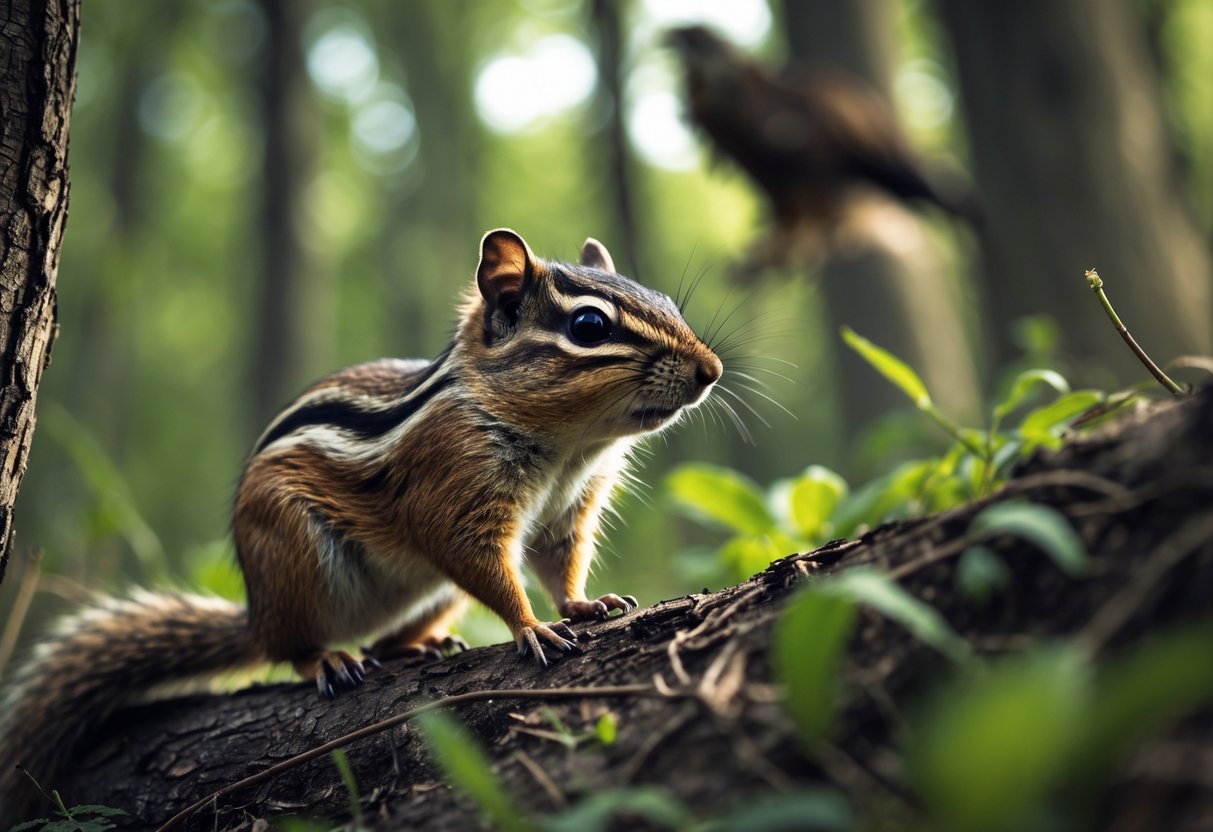
These tiny animals count on their sharp senses to stay alive. They’ll pick up on danger fast, whether it’s a loud noise, a weird smell, or something moving suddenly.
If you get what makes chipmunks nervous, you’ll find it easier to keep them away from your space. Sometimes it’s surprising how well simple tricks—like using strong spices or faking a predator—can work.
Learning about these fears lets you keep chipmunks at bay, and, honestly, it’s kind of cool to see how clever they are about surviving.
What Chipmunks Are Most Afraid Of

Chipmunks stay on high alert for danger. Their sharp senses help them spot threats from predators, weird smells, and sudden sounds.
If you figure out what spooks chipmunks, you can keep your garden safe or just keep them away—without hurting them.
Natural Predators and Instinctual Fears
A lot of animals hunt chipmunks. You’ll see hawks, owls, foxes, snakes, coyotes, and weasels at the top of that list. These predators are bigger and faster, so chipmunks have to stay on their toes.
When a predator comes close, chipmunks use loud alarm calls to warn each other. A sharp “chip” means a ground predator is around, and a “chuck” warns about danger from the sky.
These calls help the group dodge trouble and get to safety. If a chipmunk sees or hears a predator, it’ll sprint straight for its burrow.
Anything that moves quickly or looms overhead makes them bolt. It’s just instinct.
Scents That Chipmunks Avoid
Chipmunks have a strong sense of smell. They avoid spots that smell like predators to stay out of danger.
Gardeners often use fox urine as a natural deterrent. If you spray fox urine near your plants or along the garden edge, chipmunks will usually steer clear.
The scent tricks them into thinking a fox is nearby. Other strong smells like crushed garlic or chili pepper mixtures also work as nontoxic repellents.
When chipmunks catch a whiff of these, they’ll just avoid the area.
Noises and Environmental Stressors
Chipmunks get spooked by loud or sudden noises. Wind chimes, fluttering flags, or banging sounds can make them run off.
Try putting noise-makers near your garden beds or bird feeders—chipmunks don’t like noisy, busy places because it feels risky.
They also avoid open spaces where they feel exposed. If you keep your lawn trimmed and clear out woodpiles or brush, your yard won’t look so inviting to them.
For more on how sounds can keep chipmunks away, check out the National Wildlife Federation’s tips on chipmunk behavior: https://www.nwf.org/Magazines/National-Wildlife/2016/AprilMay/Animals/Chipmunks.
Common Deterrents and Ways to Keep Chipmunks Away

Keeping chipmunks out of your garden or yard can take a little work. You can use strong scents, commercial repellents, or natural plants and spices that chipmunks just don’t like.
Combining these tricks with good yard care works best.
Predator Scents Like Fox Urine
Chipmunks get really nervous around anything that smells like a predator. Using fox urine nearby can make them think danger is close.
You can find fox urine at most garden or hunting stores. Try placing small containers or soaked cloths with the scent near chipmunk holes or along the garden’s edge.
It might even keep squirrels away since they’re scared of the same things. Heads up—the scent is strong for people too, so put it somewhere that won’t bother you.
The smell fades after a while, especially if it rains, so you’ll need to refresh it every few days. This way, you keep chipmunks guessing and out of your space—without hurting them.
Effective Commercial Repellents
Plenty of sprays, granules, and gels are out there to repel chipmunks and squirrels. Most work by taste or smell.
Spray them right on your plants or sprinkle granules around your garden beds. Look for products with harmless but terrible-tasting stuff like thiram or Bittrex.
Chipmunks will usually stop eating your plants and move on. Some of these repellents last longer than natural options, but you’ll still need to reapply for the best results.
Always follow the label instructions to keep your plants and pets safe. Some repellents also keep away other pests, like crickets, that might mess up your garden.
Natural Squirrel Deterrents
You can actually use certain plants and spices to keep chipmunks out of your garden. Most chipmunks really dislike plants from the Allium family—think garlic, onions, and chives.
Daffodils work too. Their scent and taste seem to bother chipmunks quite a bit.
Here’s another idea: try sprinkling cayenne pepper or chili powder around your plants. The spicy smell tends to irritate both chipmunks and squirrels.
You’ll probably need to reapply the spice after it rains or you water the garden. That part can get a little annoying.
If you want to get creative, you could even spread human hair around the garden beds. That scent sometimes makes chipmunks feel unsafe, almost like they’re smelling a predator—though it’s not nearly as intense.
These natural tricks are pretty safe, and honestly, they’re easy enough for anyone to try at home.
If you want more ways to keep chipmunks out, check out this guide: how to keep chipmunks away from your garden.


