
So, you’re curious about owning a chipmunk in the UK? The answer’s not as simple as you might hope. You can’t legally buy or sell chipmunks now, but if you already had one before 2016, you’re allowed to keep it for the rest of its life. That rule exists to protect local wildlife and help control invasive species.
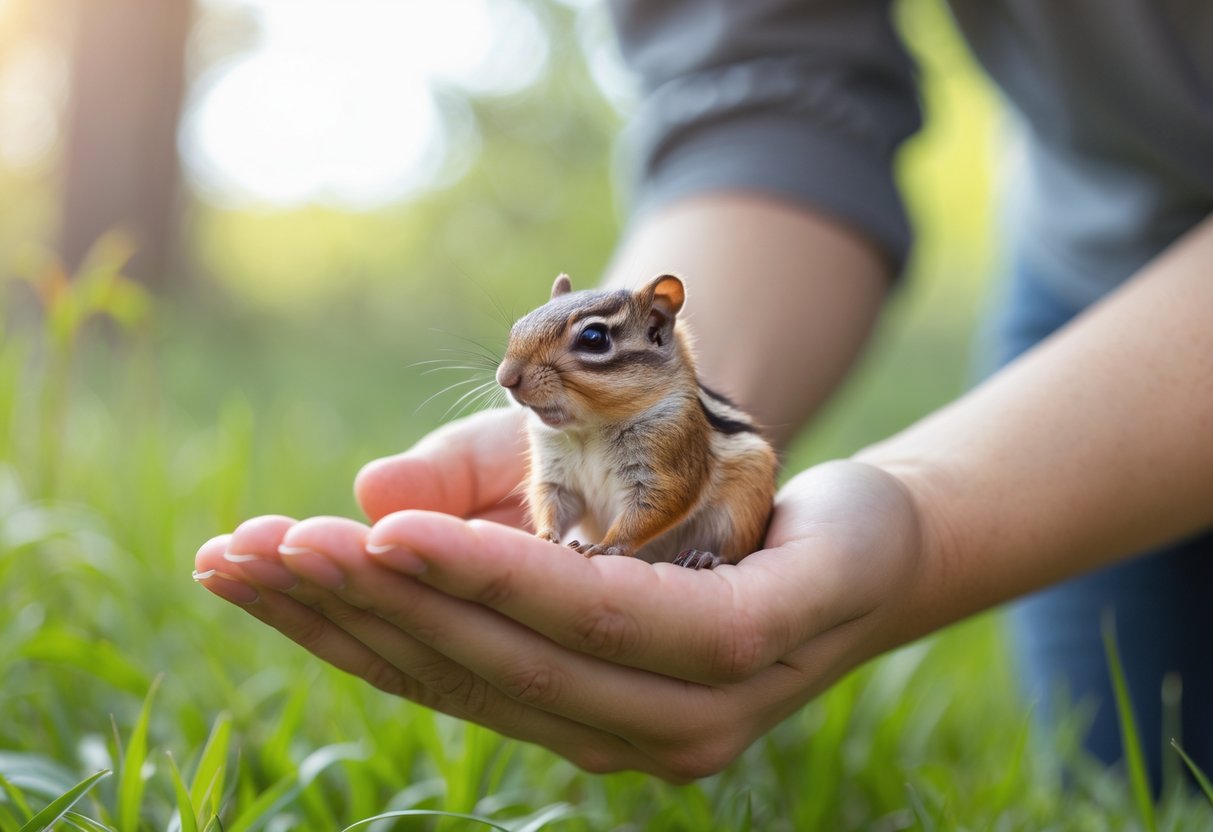
Chipmunks make lively, entertaining pets, but they definitely need special care. If you’ve got one—or you’re just curious about what’s involved—it’s smart to understand both the legal situation and what these little creatures actually need.
Knowing how to set up a good home and meet their needs can help you figure out if a chipmunk’s the right pet for you. It’s not just about having one; you’ve got to make sure they’re safe and comfortable, too.
Legal Status and Ownership Rules for Chipmunks in the UK
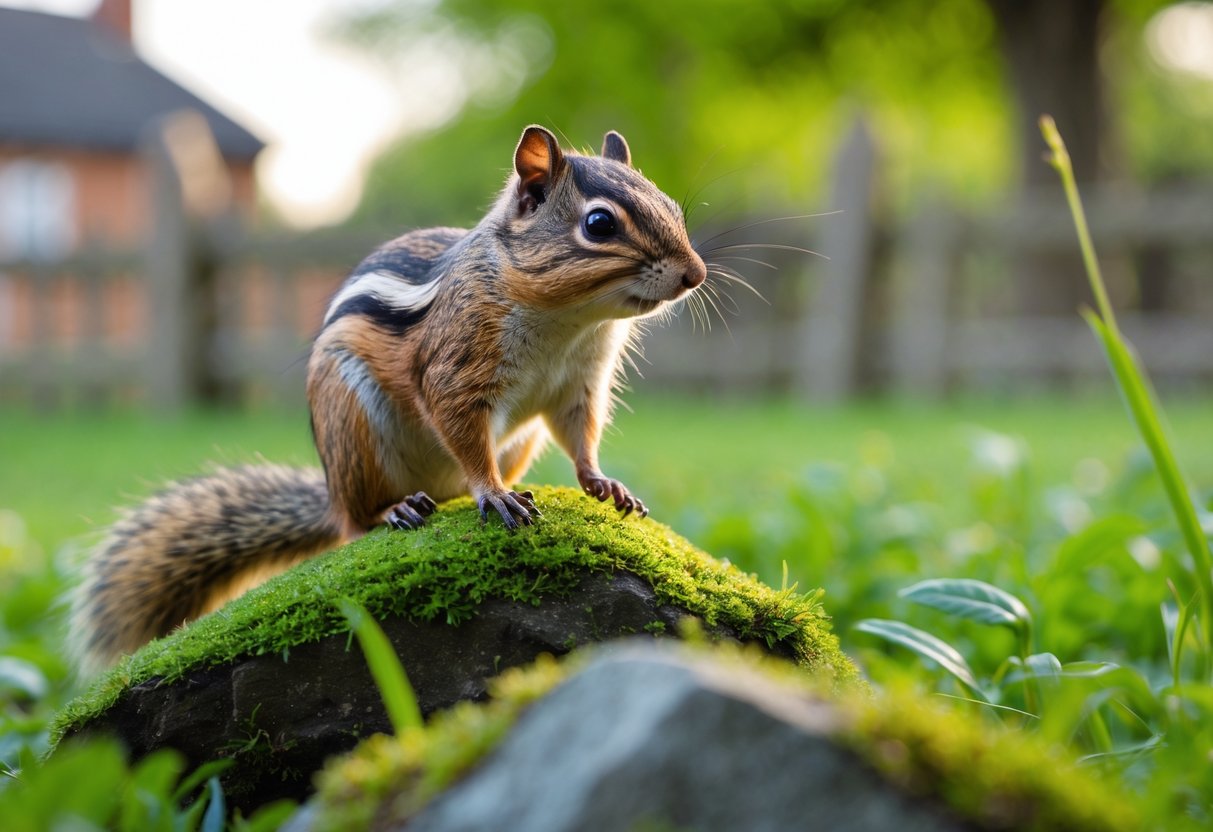
Thinking about getting a chipmunk as a pet in the UK? You’ll want to know the rules, because they’re pretty specific. These laws affect buying, selling, keeping, importing, or breeding chipmunks—especially Siberian chipmunks.
UK Exotic Pet Legislation and Chipmunk Ownership
The UK has strict rules for exotic pets, and chipmunks—especially Siberian chipmunks—fall under tough regulations. Since 2016, you can’t buy or sell Siberian chipmunks here.
If you already had one before the ban, you can keep it for its natural life. Lawmakers designed this to protect native wildlife and stop problems from escaped or released animals.
You don’t need a dangerous wild animal license if you already own a chipmunk, but you still have to follow animal welfare and safety rules to keep your pet healthy.
Banned and Invasive Species Regulations
The UK lists Siberian chipmunks as an Invasive Alien Species of Union Concern. So, you can’t import, buy, sell, or breed them.
These rules exist because chipmunks could cause trouble for local ecosystems if they ever escape or get released. If you have a chipmunk, you must never let it go free.
Give your chipmunk a secure, safe home—no exceptions. These laws protect wildlife and biodiversity by stopping chipmunks from becoming a problem outdoors.
Importation and Breeding Guidelines
Bringing Siberian chipmunks into the UK is illegal. Breeding them is also against the law.
If you already own chipmunks, don’t let them breed. It’s better to focus on caring for the ones you have.
Breeding can land you in legal trouble, so it’s just not worth the risk. For more details, you might want to check out rspca.org.uk.
Care and Considerations When Keeping Chipmunks as Pets

If you’re planning to keep a chipmunk, you’ll need to get their diet, housing, and social needs right. Chipmunks are busy little rodents who need space and a calm environment.
Protect them from pets like cats, dogs, or even foxes, since those can stress them out or worse.
Essential Diet and Nutrition for Chipmunks
Chipmunks need a varied, balanced diet. Try to make about half their food cereals—think oats, barley, or millet.
You can mix in unsalted seeds, pine nuts, and small amounts of fruit like apples or pears. Veggies like carrots and sweet potatoes work well, too.
Always take out fruit stones or pits; those can be toxic. Toss in a clean cuttlefish bone for chewing and calcium.
Keep fresh water available at all times, and check it twice a day to make sure it’s clean. Skip seed-based rodent pellets—they’re not suitable for chipmunks.
Take out leftover fresh food daily to avoid spoilage. Watch their eating and droppings, since changes can signal health issues.
Housing Requirements and Environment
Chipmunks need a big, secure enclosure—at least 4ft x 3ft x 4ft is best. Use a solid floor with bedding like dust-free wood shavings or shredded paper.
Skip wire floors, as those can hurt their feet. Add branches or ropes for climbing, because chipmunks love to explore.
Nest boxes with shredded paper or hay give them a cozy spot to rest. Hideaways like hollow logs or pipes help them feel safe.
Since they chew and dig, check the enclosure often for damage or escape routes. Keep chipmunks indoors, away from direct heat or sunlight.
They’re sensitive to loud noises and can get stressed by TVs, computers, or vacuum cleaners. Place their enclosure far from other pets that might scare them.
Social Behaviour and Compatibility with Other Animals
Chipmunks mostly stick to themselves. Siberian chipmunks might live in pairs or tiny groups, but only if you introduce them with a lot of patience.
Male American chipmunks really need to be alone—they tend to get aggressive around others.
If you want to keep more than one Siberian chipmunk, give each one its own hiding spots and nest boxes. Neutering mixed groups can stop breeding, and that’s important since breeding chipmunks is illegal in the UK.
Keep your chipmunk far away from other pets like cats, dogs, ferrets, or foxes. These animals can stress out or even hurt chipmunks, who are naturally pretty nervous and always on alert.
A calm, quiet space with lots of places to hide will help your chipmunk feel safe. That’s honestly the best way to keep them happy.
For more detailed care tips, check out How To Care For Pet Chipmunks – RSPCA.


