
Ever wondered what people call a female chipmunk? You’re definitely not alone there. Most folks don’t realize female chipmunks actually have a name—a female chipmunk is called a doe, just like a female deer.

It’s a fun little fact to know, especially if you spot chipmunks darting around your yard or read about their quirky habits. Chipmunks might be tiny, but they’re surprisingly interesting. Learning what to call them just makes the whole thing a bit more personal, don’t you think?
Name and Identification of Female Chipmunks
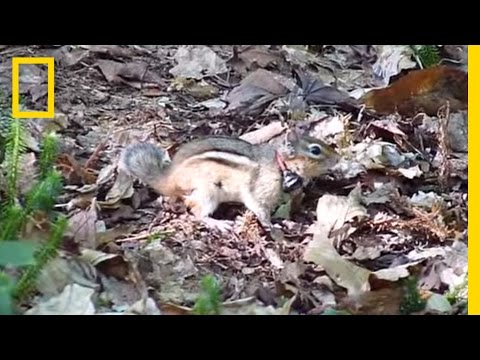
People rarely talk about the names or how to really spot a female chipmunk. If you want to tell the difference between male and female chipmunks, you’ll need to pay attention to a few subtle details.
Especially with species like the eastern chipmunk or least chipmunk, the differences aren’t obvious at first glance.
What Do You Call a Female Chipmunk?
Honestly, most people just say female chipmunk. There’s no special word for male or female chipmunks, which feels a bit disappointing if you were hoping for something fancy.
Sometimes, you might hear someone use “sow” for female rodents, but that’s pretty rare with chipmunks. Sticking with female chipmunk keeps things simple and clear.
How to Tell the Difference Between Male and Female Chipmunks
It’s tough to tell males from females since they look so much alike. You really have to look at their bellies and, well, their bottoms.
If you get a peek from underneath, males have a visible penis sheath. Females have nipples, especially when they’re nursing. The area just below a female’s tail is a bit wider because of her reproductive organs.
If you ever try to check, remember chipmunks are wild and quick, so be extra gentle.
Physical Traits and Size Differences Between Sexes
Male and female chipmunks are about the same size. In both eastern chipmunks and other species like Tamias striatus, they usually weigh somewhere between 2 to 5 ounces.
During breeding season, females might look rounder because they’re pregnant. Otherwise, you probably won’t notice much difference in their shape.
Their striped fur pattern is the same for both sexes, so you can’t really tell them apart by just looking at their coloring.
Female Chipmunk Roles and Life Cycle

Female chipmunks have some pretty important jobs in their lives. They mate, raise babies, protect their territory, and always keep an eye out for predators.
Most of the time, they live alone and handle everything themselves.
Mating and Breeding Behavior
Female chipmunks, or does, usually mate twice a year—once in early spring and again in late summer. During their short window of fertility, they might mate with several males.
Males only show up to mate, then leave pretty fast. Female chipmunks stick close to their home territory while mating, which is usually a little burrow underground.
This pattern is true for eastern chipmunks and others like the least chipmunk. Females are ready to breed at about one year old.
After mating, pregnancy lasts about 30 to 31 days. Then, the female gives birth to a litter of 3 to 5 pups.
Motherhood and Raising Young
When the pups arrive, the mother takes care of everything herself. She keeps the burrow clean and lines it with soft leaves for the babies.
Baby chipmunks are born blind and hairless, weighing just a few grams. They grow fast and start exploring after about 4 to 6 weeks.
Once they’re active, the young chipmunks leave the nest to start their own adventures nearby. The mother focuses on feeding and protecting them until they’re ready to go.
Territorial Behavior and Social Structure
Female chipmunks mostly keep to themselves. They defend their burrows and the area around them from other chipmunks.
If another chipmunk comes too close, you’ll hear loud calls and see quick chases. Outside of breeding season, they avoid each other as much as possible.
Their burrows are pretty complex, with little rooms for food storage and a clean spot for nesting. Female chipmunks spend a lot of time gathering nuts, seeds, and berries to stash away.
This food hoarding helps them survive rough winters and keeps their supplies safe from hungry neighbors.
Challenges and Predators for Female Chipmunks
Life isn’t exactly a walk in the park for female chipmunks. Lots of predators keep an eye out for them—snakes, hawks, owls, foxes, and even the neighbor’s cat can be a problem.
Female chipmunks have to stay on their toes. They usually rely on quick reflexes to get out of trouble.
When danger gets close, they dash to their burrows or scramble up a tree. Speed and sharp senses are their best defenses, especially when they’re out looking for food.
Protecting themselves and their babies means they’re always ready to bolt or hide at a moment’s notice.
For more on eastern chipmunk behavior, check out the info on their breeding at the Connecticut Department of Energy and Environmental Protection.


