
Ever notice a chipmunk scurrying up close and not bolting away? Kind of makes you wonder, why do they act so friendly? Chipmunks start to trust people who feed them and don’t act like a threat, so they get comfortable around humans. Over time, they pick up on who’s safe and might even seem to recognize you.
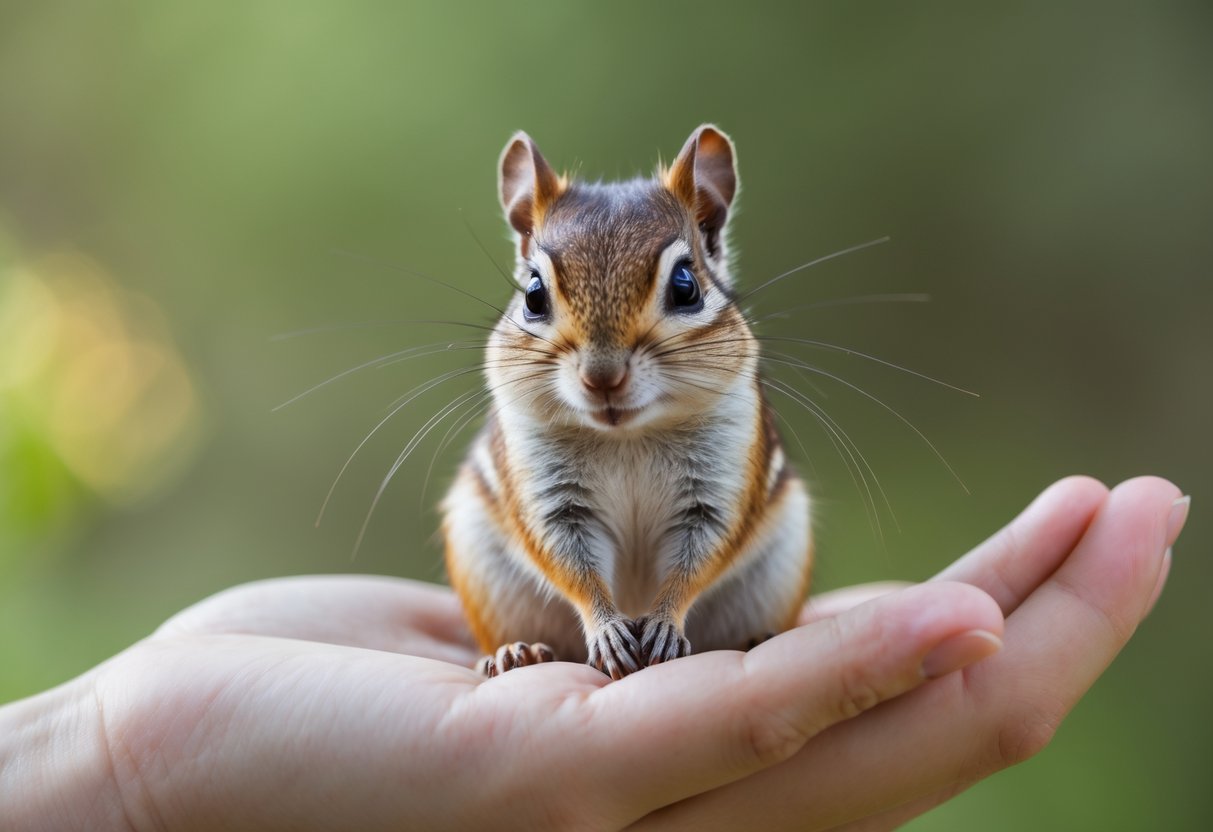
Chipmunks usually keep to themselves and hide, but if you feed them often, some will get a little bolder. They’re not exactly friendly like your dog, but if you’re patient, they might hang out nearby or come over for a treat.
It’s kind of neat once you realize how cautious and curious they are at the same time.
If you get why they behave this way, you might enjoy their visits to your yard even more. Curious about what really makes them act so friendly? Let’s dig in.
Why Are Chipmunks So Friendly to Humans?

Chipmunks can act surprisingly friendly, but honestly, it depends a lot on where they live. Their reactions change if they’re wild or tame, if they’re used to being fed, or even how you’ve seen them in cartoons.
Wild Versus Tame Chipmunk Interactions
Wild chipmunks usually keep away from people because they see us as a threat. If you get too close, they’ll dart off in a flash to stay safe.
But chipmunks in parks or neighborhoods sometimes get used to people hanging around. After a while, they figure out that humans aren’t always dangerous.
Some of these chipmunks will even come up for food if you offer it.
Tame or pet chipmunks act differently. They grow up with people, so they trust you more and usually won’t bite or scratch.
Even so, if you scare them, they can get stressed out fast. It’s smart to keep an eye on their body language.
Influence of Food and Habituation
Food is a huge reason chipmunks become friendlier. If you start giving them nuts or seeds, they’ll quickly connect you with snacks.
Pretty soon, they’ll get less nervous and might even wait for you to show up with treats. I’ve seen chipmunks hang around benches in parks just for this reason.
This process is called habituation. Chipmunks living near people get used to us, while their wilder cousins stay skittish.
If you feed chipmunks, you’ll probably see more of them in your yard. Just remember, it can sometimes lead to chewed-up gardens or a bold chipmunk that’s not afraid to stand its ground.
Misconceptions from Cartoons and Media
Cartoons make chipmunks look like adorable, snuggly little pals. It’s easy to expect them to act like pets.
But honestly, chipmunks are wild rodents. They guard their territory and can get aggressive if they’re upset.
They look cute, but they don’t really want to be picked up or cuddled. If you push your luck, they might nip or scratch.
If you understand how they really act, you’ll appreciate them more—and not expect them to be like the ones in movies.
Want more info? Check out Are Chipmunks Friendly to Humans? – My Backyard Life.
Chipmunks as Pets and Human Companions

Chipmunks can act curious or even friendly, but keeping them as pets is a whole different thing. You’ll need to think about how to earn their trust, give them enough space, and decide if having one at home is really a good fit.
Pet Chipmunk Socialization
Chipmunks are wild at heart. They don’t naturally want to hang out with people like a dog or cat.
If you want your chipmunk to relax around you, you’ll have to go slow and build trust over time.
Try offering food from your hand and just sit nearby. It might take weeks, or even months, before a chipmunk feels safe enough to come close.
Since they’re prey animals, loud noises or sudden moves will definitely spook them.
Getting a chipmunk comfortable with being picked up isn’t easy. Respect what they’re comfortable with, and don’t force things.
The friendliest chipmunks are the ones that decide to approach you on their own.
Care Requirements and Daily Routines
Chipmunks need a big cage—at least 6 feet wide and deep—so they have room to run and dig. You should give them a deep base for burrowing and spots to hide.
Their food should be a mix: seeds, nuts, fruit, and insects. Always keep fresh water out for them.
They’re active during the day, so expect to see them zipping around when the sun’s up.
You’ll need to clean the cage often and swap in new toys or branches for chewing. Keep an eye out for illness or stress, though finding a vet who knows chipmunks can be tough.
Benefits and Challenges of Keeping Chipmunks
Keeping a chipmunk as a pet can feel pretty rewarding, especially if you love watching wildlife up close. When you earn their trust, these little guys often show off playful quirks and surprising personalities.
But let’s be honest—they aren’t cuddly like cats or dogs. Chipmunks keep their wild instincts, so they can act unpredictable or skittish, and yeah, they might bite if something scares them.
You’ll need to commit for the long haul. Make sure you provide a roomy enclosure, and if you let them roam, stick around to supervise so they stay safe. Oh, and don’t forget to check your local laws—some places ban chipmunks as pets or ask for special permits.
If you want more about chipmunk care or their behavior, check out pet chipmunks and see what they really need.


