
Ever spotted a chipmunk darting across your yard and wondered if it’s carrying something you should worry about? They look adorable, sure, but chipmunks can carry several diseases that might put you, your family, or your pets at risk. Some of these include salmonella, hantavirus, and—believe it or not—the plague.
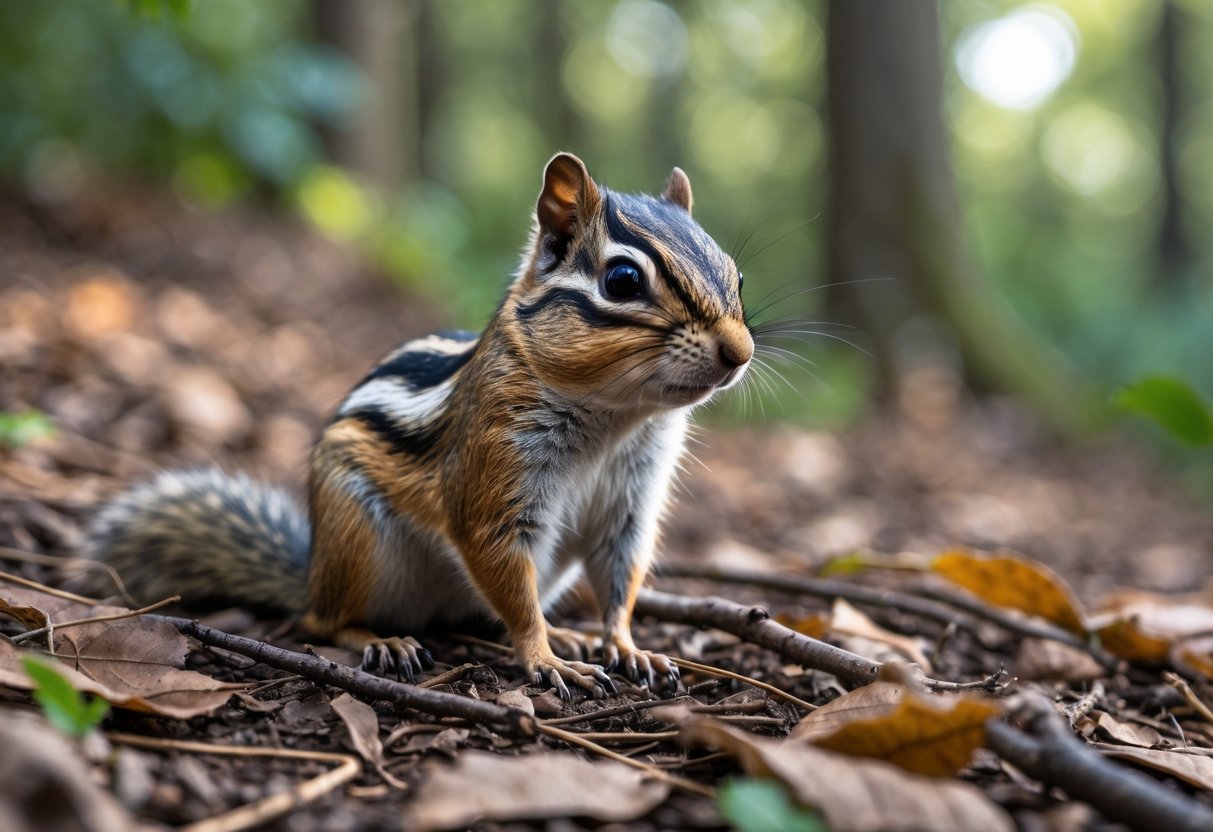
You’ll want to know how these diseases spread, especially if chipmunks hang around your place. Knowing the risks can help you keep your home safer while still enjoying the wildlife. Let’s dig into what chipmunks carry and what you can do to keep your chances of exposure low.
Diseases Carried by Chipmunks

Chipmunks don’t just look cute; sometimes, they carry diseases that can affect people and pets. Ticks and fleas love to hitch rides on chipmunks, and they’re often the real culprits behind disease spread.
You probably won’t notice a sick chipmunk, but the germs they carry can cause real trouble for humans.
Lyme Disease and Tick-Borne Illnesses
Chipmunks help spread Lyme disease because black-legged ticks feed on them. Those ticks carry Borrelia burgdorferi, the bacteria behind Lyme disease.
If a tick bites you after it’s fed on an infected chipmunk, it might pass the bacteria to you. You might see a rash, feel feverish, or get tired and achy after a tick bite.
Ticks are tiny, so check yourself and your pets after being outside. Pulling ticks off quickly lowers your risk of getting sick.
Plague and Flea-Borne Risks
Fleas living on chipmunks sometimes carry plague bacteria. It’s rare, but it can happen, especially if you live near wild rodents.
Plague spreads through flea bites or from touching sick animals. If you get it, you could have fever, chills, swollen glands, and feel weak.
If you live in an area where plague has popped up before, don’t touch wild rodents and keep fleas off your pets.
Tularemia (Rabbit Fever) and Transmission
Chipmunks can spread tularemia—also called rabbit fever—through their bites or body fluids. The bacteria Francisella tularensis causes it.
You might get tularemia if a tick that fed on a chipmunk bites you, or if you handle or eat infected meat. Symptoms usually include fever, sore throat, skin ulcers, and swollen glands.
It’s best not to handle chipmunks or other wild animals, and to keep ticks away. Doctors can treat tularemia with antibiotics if you catch it early.
Leptospirosis and Other Bacterial Infections
Leptospirosis is another disease chipmunks can spread through their urine. You could get sick if you touch water or soil that’s been contaminated by chipmunk urine.
Symptoms show up as fever, headache, muscle pain, and sometimes more serious issues like liver or kidney trouble. Keeping things clean and blocking chipmunks from getting inside helps lower your risk.
Chipmunks might also carry salmonella and rat-bite fever. Try not to touch them and keep your food sealed up tight to avoid contamination.
Parasites and Additional Health Concerns
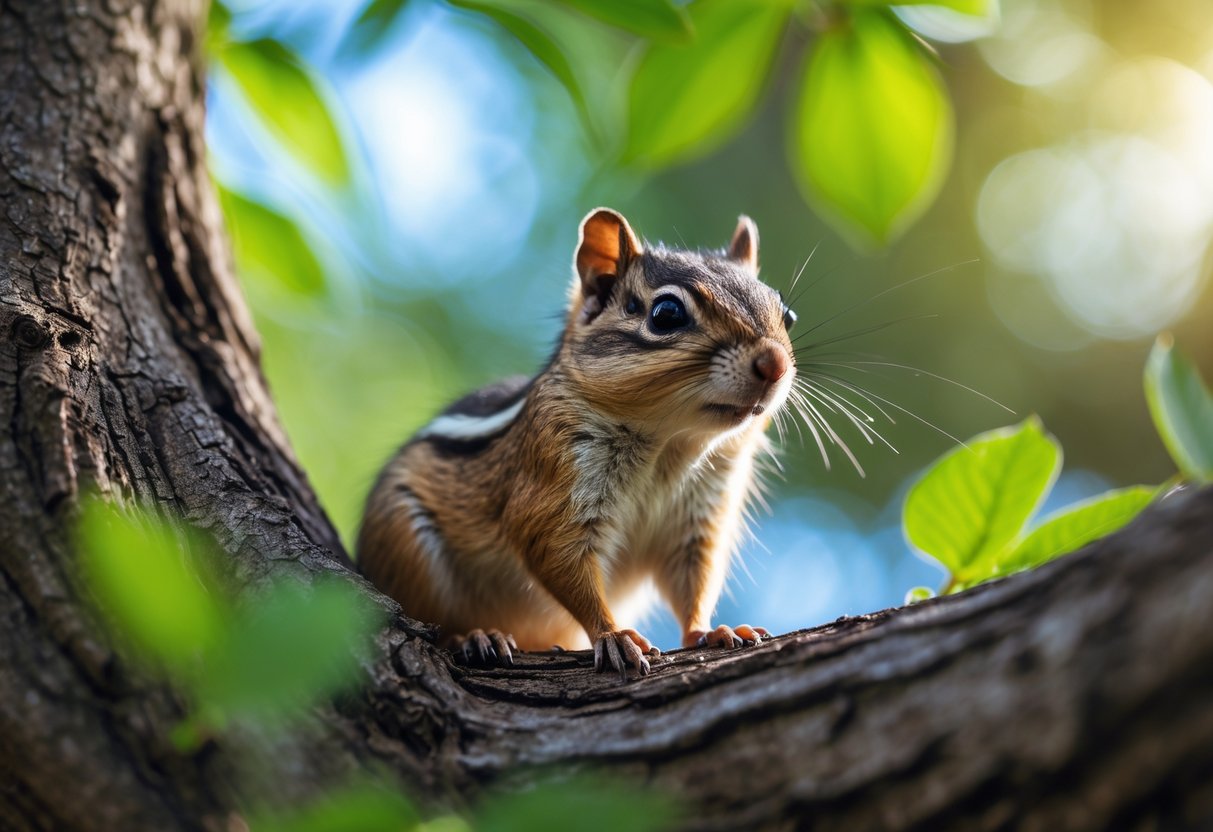
Chipmunks don’t just carry germs—they can bring along tiny parasites, too. Lice and mites can hop from chipmunks to people or pets.
There’s also a slim chance chipmunks could carry rabies. It’s rare, but it’s still smart to be cautious.
Lice, Mites, and Other Parasites
Lice and mites love to live on chipmunks’ fur and skin. If you or your pets get too close, these little pests might latch on.
They can cause itching, rashes, or other skin problems. Sometimes, these parasites can carry diseases, too.
It’s better not to handle chipmunks, and keep your pets away if you spot signs of chipmunks nearby. Flea and tick prevention for pets goes a long way in keeping everyone safe.
Rabies in Chipmunks
Rabies is a pretty serious viral disease, but honestly, chipmunks almost never carry it. That said, if a chipmunk bites you, there’s still a chance you could get infected.
Rabies usually spreads if an infected animal bites or scratches you. If a chipmunk bites or scratches you, wash the wound right away, just to be safe.
Go see a doctor as soon as you can. Rabies can turn deadly if you don’t get medical care quickly.
It’s honestly smarter to just avoid handling wild chipmunks in the first place. That way, you lower your risk.
For more about the risks chipmunks pose, check out this detailed information on diseases they can carry.


