
Ever spotted a chipmunk darting through your backyard or the woods? If so, you’ve probably wondered how long these little guys actually live. Most chipmunks in the wild only make it about 2 to 3 years, though a lucky few can stick around a bit longer if things go their way.
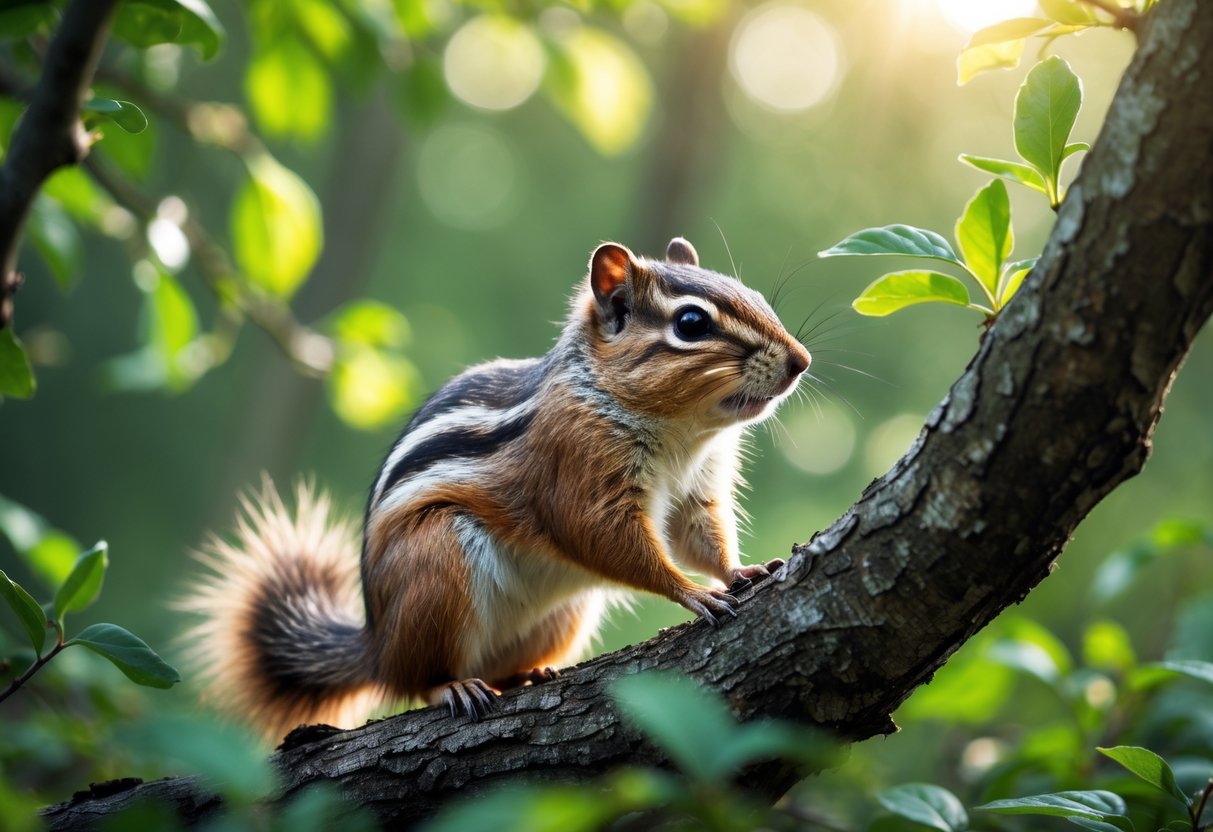
Chipmunks lead hectic lives. They’re always on the move, gathering food and dodging predators, and honestly, that takes a toll. If you want to really get what makes them tick, knowing their average lifespan helps.
Some chipmunks live longer than others depending on their species or whether they’re wild or kept in captivity. Stick around and you’ll get the scoop on how long different chipmunks live and what really affects their chances.
Overview of Chipmunk Lifespans

Chipmunk lifespans vary quite a bit. Some only get a couple of years in the wild, while others can last much longer with a bit of luck and care.
If you see chipmunks in your neighborhood or think about keeping one as a pet, it helps to know what you’re getting into.
Average Lifespan in the Wild
Most chipmunks don’t make it past 2 to 3 years out in the wild. The eastern chipmunk (Tamias striatus), which you’ll see all over North America, usually lives about two years unless it manages to dodge predators and illness. Every now and then, a wild chipmunk gets to 8 years, but let’s be honest, that’s pretty rare.
Predators like hawks, snakes, and foxes keep their numbers down. Young chipmunks, especially after they leave their mothers, face even more danger.
Bad weather and disease also cut their lives short.
Lifespan in Captivity
Chipmunks can stick around a lot longer if you keep them in captivity. With steady food, safety, and vet visits, they can reach 8 or even 11 years.
Predators and food shortages don’t really threaten them in cages. Siberian chipmunks especially seem to do well, sometimes living over 10 years.
But you do need to care for them properly if you want them to live that long.
How Lifespan Differs by Chipmunk Species
Different chipmunk species have different lifespans.
- Eastern chipmunks: About 2 years in the wild, but up to 8 years if they’re lucky or in captivity.
- Siberian chipmunks: Usually 2 to 5 years in the wild, and up to 10 years as pets.
- Townsend’s chipmunk: Around 2 to 7 years in the wild, and sometimes up to 10 years in captivity.
The least chipmunk, which is the tiniest kind, usually doesn’t live longer than other wild chipmunks. Things like habitat and food options really shape how long they last.
Each species faces its own set of challenges, depending on where it lives. If you want to dig deeper, check out chipmunk lifespan facts from this wildlife source.
Factors Affecting Chipmunk Longevity
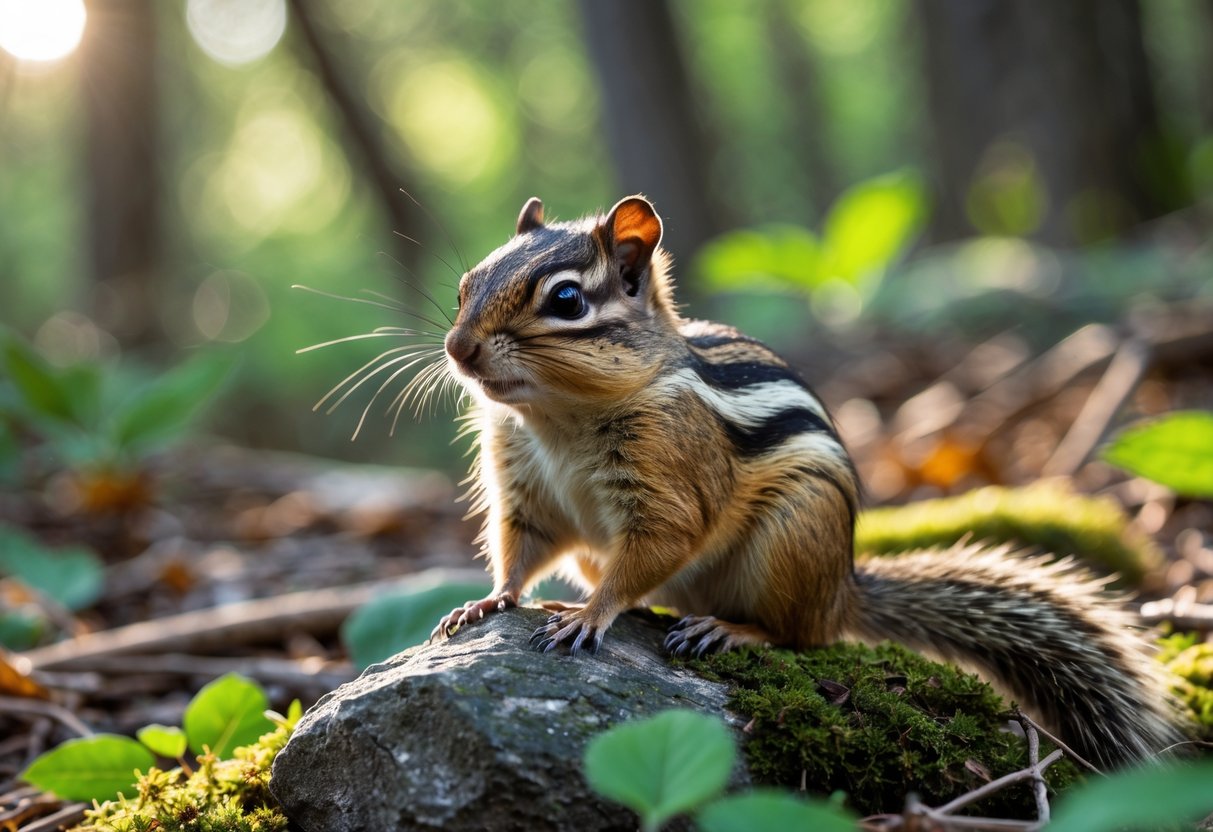
A bunch of things shape how long chipmunks stick around. Where they live, what’s hunting them, how they handle winter, and what they eat—all of it matters.
Habitat and Environment Influence
A chipmunk’s home plays a big part in its survival. These little guys belong to the sciuridae family, so they’re basically squirrels’ cousins and love deciduous forests.
Forests give chipmunks plenty of food and lots of places to hide. If the woods are healthy and full of trees and bushes, chipmunks have better odds.
But if their homes get damaged or overcrowded, life gets tough. Humans and animals like raccoons sometimes push them out.
Urban areas or farms can be risky because chipmunks find fewer hiding spots and less natural food.
Predators and Natural Threats
Chipmunks have to watch out for a lot of predators. Owls, hawks, foxes, and raccoons all hunt them.
Predators catch chipmunks when they’re out foraging or even when they’re resting. Young chipmunks are the easiest targets after they leave their burrows.
Even adults have to stay alert. You’ll see them freeze or dart for cover if they spot danger.
Disease can also cut their lives short. Stuff like respiratory infections or tooth problems makes it hard for them to eat and stay strong.
Hibernation and Survival Strategies
Chipmunks don’t really hibernate all the way. Instead, they go into a kind of semi-hibernation when it gets cold.
You might notice your chipmunk resting underground but popping out every few days to eat or take care of business.
This habit helps them get through winter when food is hard to find. They stash nuts and seeds in their cheek pouches during the warmer months to prep.
If the winter turns brutal, chipmunks might risk leaving their burrow more often, which means they could freeze or get caught by predators.
Role of Diet and Food Storage
Your chipmunk’s survival really comes down to what it eats. They love nuts, seeds, insects, and sometimes even sneak a bite of pet food if they find it.
Chipmunks stuff their cheek pouches with as much food as they can carry and then dash back to their burrows. This stashing habit lets them eat safely through winter, so they don’t have to wander around and risk getting caught.
If a chipmunk doesn’t get enough calcium or hurts its teeth, it can end up sick. Bad nutrition makes it harder for them to gather and store food, which honestly just shortens their life.


