
Ever thought about having a chipmunk as a pet? These little guys look adorable and energetic, but honestly, they can be a handful in ways you might not expect.
Chipmunks usually don’t make great pets because they need things most homes just can’t provide.
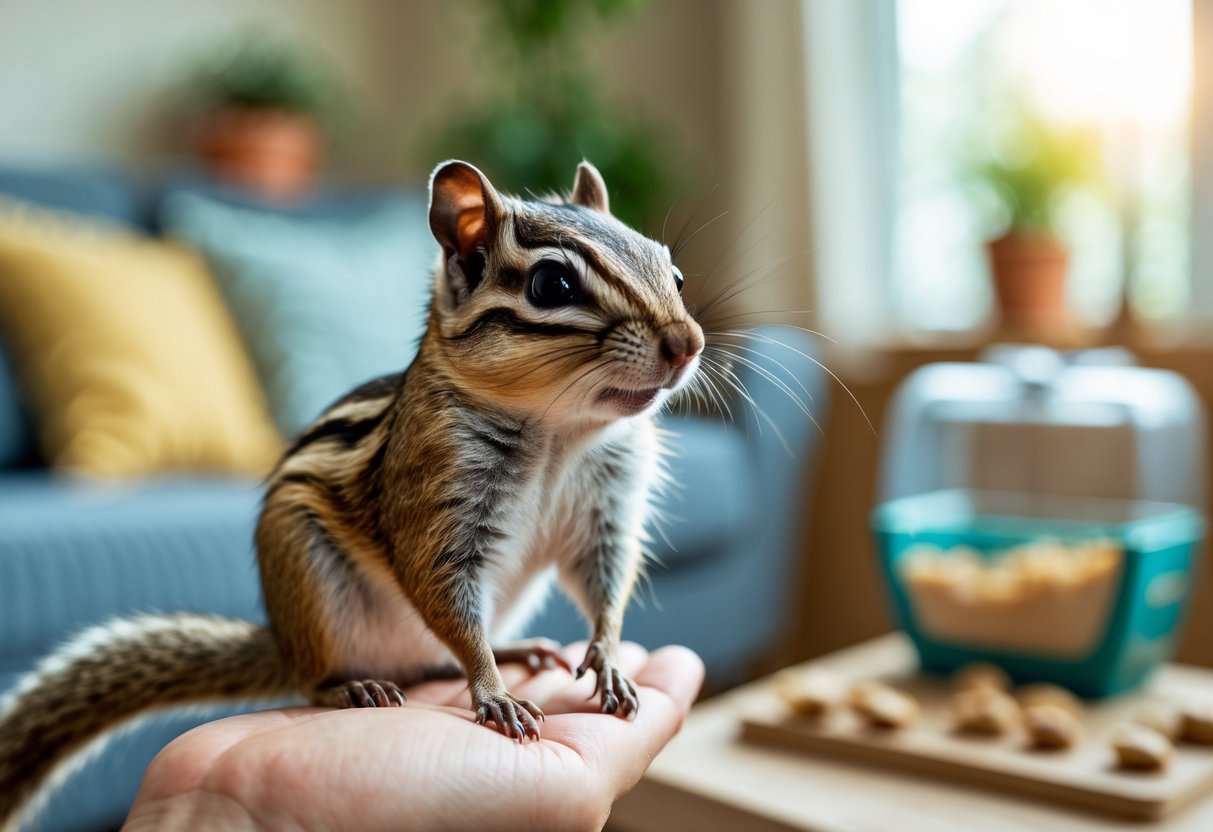
They’re wild animals at heart. If you keep one, you’ll have to deal with their instincts, special housing, and even some health risks.
And here’s a big one: in a lot of places, it’s actually illegal to keep chipmunks as pets. Want to know what you’re really getting into? Let’s dig into the facts about chipmunks and what it takes to care for one.
Are Chipmunks Good Pets?

Chipmunks need care that’s pretty different from what typical pets require. You’ve got to consider the laws, their wild instincts, and how tough it can be to keep them happy in captivity.
Legal and Ethical Considerations
In lots of places, like the EU, you can’t legally buy or sell chipmunks—especially Siberian chipmunks. If you already have one, you’re allowed to keep it, but you can’t breed or get more.
From an ethical standpoint, chipmunks really belong outdoors. They’re active creatures that want space and a forest-like setup.
If you keep one, you’ll need to make sure it doesn’t get stressed or scared, which is honestly pretty tough. You shouldn’t make choices that could harm their well-being.
If you want the nitty-gritty, check out the RSPCA’s advice on pet chipmunks.
Natural Behavior and Temperament
Chipmunks act shy and move fast. Most don’t enjoy being handled, so bonding with them can be tricky.
They love digging, hiding, climbing, and stashing food. You’ll need to set up their space with hiding spots and branches to help them feel secure.
Their mood can shift a lot depending on their environment. If they’re stressed, they might hide or even get snappy.
These animals aren’t cuddly or easygoing like dogs or cats. If you want to keep one, you’ll need patience and a real respect for their wild side.
Captivity Challenges
Chipmunks need a lot of space and a carefully chosen diet. You’ll have to set up a big cage with a solid floor and lots of bedding for digging.
Add toys, branches, and nest boxes to keep them busy. They need fresh water and a mix of cereals, nuts, seeds, fruits, and veggies.
Watch for signs of stress or sickness, like a dull coat or not eating. Chipmunks get stressed by loud noises or other pets, so put their cage somewhere quiet.
Handling them isn’t easy—they’re quick and get stressed fast.
For more tips, check out the RSPCA’s guidelines on chipmunk care.
Caring for a Baby Chipmunk

If you’re looking after a baby chipmunk, you’ll need to pay close attention to its health, food, and living space. Keep an eye out for signs it needs help, feed it the right stuff, and make a safe, cozy spot for it to grow.
Identifying Orphaned Chipmunks
Baby chipmunks are super tiny and fragile, especially early on. They might not have teeth yet or be able to move much.
If you spot one alone, look for clues—like if it’s dirty, weak, or making little cries. That usually means it needs care.
If it feels cold or limp, it could be in shock. Put it in a quiet, dark, warm box and try not to handle it too much.
Don’t rush to give it water or food right away; its body might not be ready. If the baby looks hurt or really weak, reach out to a wildlife rehabilitator as soon as you can.
Feeding and Nutrition Needs
A baby chipmunk needs a special diet—usually a puppy milk replacer made for small mammals. Cow’s milk or other kinds can mess up their stomachs.
As it grows, slowly add tiny bits of soft fruits, seeds, and nuts. Use a small syringe or dropper to feed, and only give a little at a time.
Warm the milk replacer to about body temperature before feeding. You’ll have to feed it every few hours at first, even at night.
Once your chipmunk gets a bit older, it’ll start nibbling on solid food. Always have fresh water ready when it’s old enough to drink.
Don’t change its diet suddenly, or you might upset its digestion.
Proper Housing Requirements
Baby chipmunks really need a warm, safe place to call home. Use soft bedding like shredded paper or dust-free hay.
Put their enclosure in a quiet spot. Try to keep them away from loud noises and curious pets—chipmunks stress out easily.
Pick a secure cage that’s roomy enough for the little one to move around and climb as it grows. Skip wire mesh floors; those can hurt their tiny feet.
Add a small hiding spot or a nest box so your chipmunk can tuck itself away and feel secure.
Clean up daily by spot cleaning, and do a full clean every few weeks. Always make sure fresh food, water, and bedding are available—it’s just better for their health and comfort.
If you want more tips on caring for baby chipmunks, take a look at Caring for Baby Chipmunks: What Should They Eat?.


