
When you hear a chipmunk chirping, it’s usually trying to tell others something important. Most of the time, a chipmunk chirps to warn about nearby danger—think predators or something that feels threatening.
These little sounds help keep chipmunks safe by letting others know they should watch out.
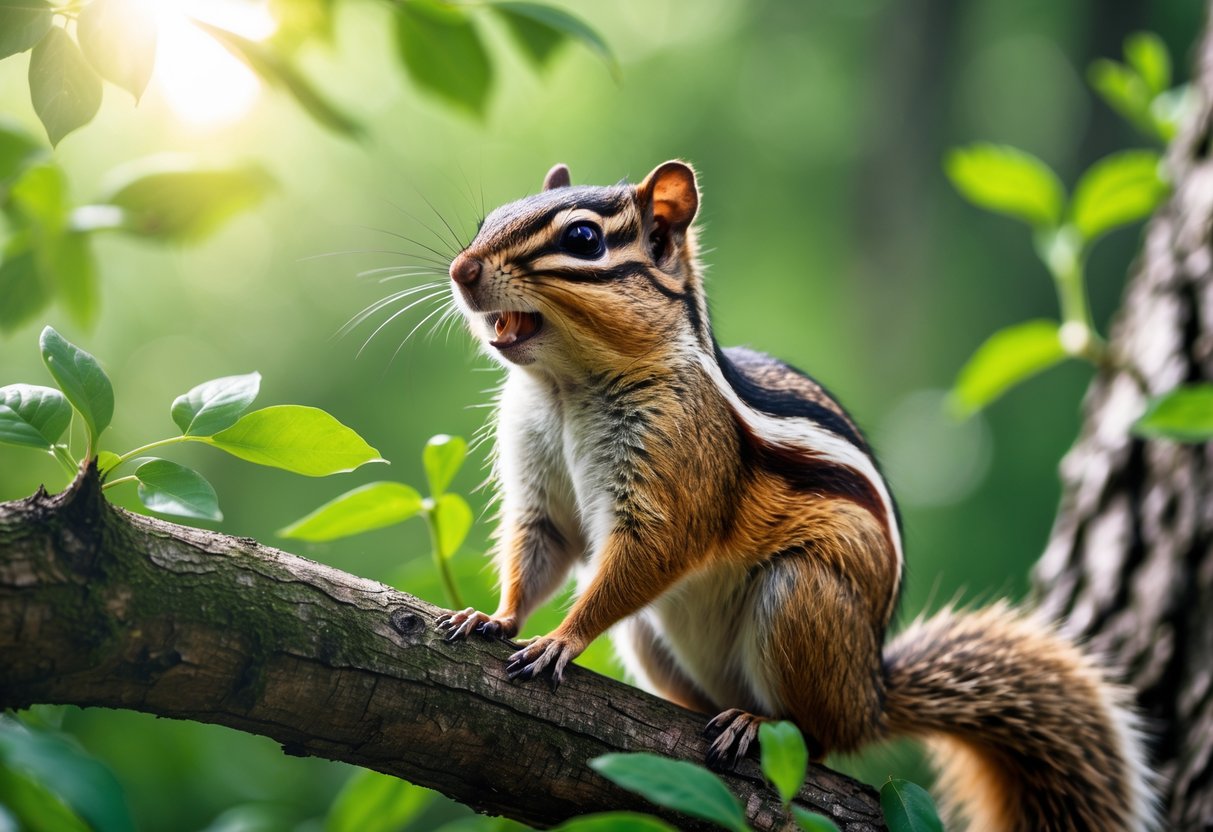
Chipmunks use different chirps for different messages. Some warn about animals on the ground, like cats or raccoons.
Others signal threats from above, like hawks. Sometimes, they even have special calls when they’re looking for a mate.
If you spend any time outside, paying attention to these sounds can reveal all sorts of chipmunk behavior you might otherwise miss. Understanding what those chirps mean just makes your time in nature feel a bit more connected, doesn’t it?
Understanding Chipmunk Chirps and Their Meanings

When a chipmunk chirps, it’s usually sending an important message to other chipmunks nearby. These sounds help warn others about danger, mark boundaries, and sometimes attract a mate.
Each chirp or call means something specific, depending on what’s going on.
Types of Chipmunk Vocalizations
Chipmunks use several types of sounds to talk, including chips, chucks, trills, croaks, and chits.
- Chips sound high-pitched and repetitive.
- Chucks are lower-pitched, almost like clucking.
- Trills have one or two different notes.
- Croaks mostly show up during mating.
- Chits are super high-pitched and come out when they’re surprised.
Each sound has its own job. You’ll probably hear chips if a predator is close, while chucks usually warn about birds of prey.
Trills often mean a chipmunk is running or feels chased.
Warning Calls and Threat Responses
Chipmunks use loud chirps to warn their colony about predators. This alarm helps other chipmunks hide or stay alert.
- Chips usually mean a ground predator is near.
- Chucks warn about birds of prey.
When chipmunks make these calls over and over, they’re showing they’ve spotted a threat. This also tells predators they’ve been seen, which sometimes makes predators give up.
Sometimes chipmunks spend a while chipping and chucking near their burrows to protect their homes. If that doesn’t scare off the intruder, they might act aggressive to defend their territory.
Communicating With Other Chipmunks
Chipmunks don’t just chirp about danger. They also use these sounds to talk to each other.
During mating season, males mix croaks and chips to attract females. Most chipmunks like their space, so these calls help them keep track of neighbors and avoid fights.
When chipmunks trill, they might be letting family members in the burrow know they need help.
You usually won’t hear chipmunks at night since they’re active during the day. If you hear chirping after dark, it’s probably not a chipmunk—maybe some other critter.
You can check out more about chipmunk vocalizations in this detailed guide on chipmunk sounds.
When and Why Chipmunks Chirp: Behavior, Health, and Human Interactions

Chipmunks chirp for lots of reasons depending on what’s happening around them. You might hear them warn about danger, react if they’re hurt, or even notice you’re nearby.
If you know what their chirps mean, you can understand and maybe even help these little creatures.
Chirping as a Response to Predators and Danger
When a chipmunk spots a predator like a hawk, snake, or cat, it often lets out loud chirping sounds. That’s a warning to other chipmunks, telling them to be on the lookout.
Sometimes, the chirping also tries to scare off the predator by showing the chipmunk knows it’s there.
These chirps come out fast and repeat, lasting just a few seconds or sometimes several minutes. You might hear chipmunks chirping from the ground or up in trees, depending on where they feel threatened.
Sick or Injured Chipmunks and Chirping
If a chipmunk gets hurt or sick, its chirping can sound different. The calls might be weaker, more high-pitched, or even sound like distress cries asking for help.
Sick chipmunks might seem restless or sluggish while chirping.
Hearing these odd sounds could mean the chipmunk needs help. Wildlife rescue groups know how to handle injured chipmunks safely.
If you find one, it’s best not to touch it—just contact a local wildlife rescue for advice.
What to Do If You Find a Chirping Chipmunk
So, you spot a chipmunk chirping loudly near your house. Just pause and watch—don’t rush over or make noise.
If the little guy looks fine, it’s probably just doing its normal chipmunk thing. Chirping is how they talk or warn each other, after all.
But if you notice it’s injured, acting weak, or chirping way more than usual, it’s time to call a wildlife rescue. Seriously, don’t try to feed it or catch it yourself.
Keep your pets and kids away so the chipmunk doesn’t get more stressed out.
If their chirping gets on your nerves or you’re worried about burrowing, try using natural repellents or set up some barriers. Chipmunks rely on those sounds—it’s just part of how they survive.


