
Ever spotted a chipmunk darting around and found yourself wondering how long these little guys actually live? Yeah, you’re not alone. Chipmunks seem endlessly energetic and curious, but honestly, their time in the wild isn’t very long. Most chipmunks only make it about 2 to 3 years out there, though some species manage a bit more if things go their way.
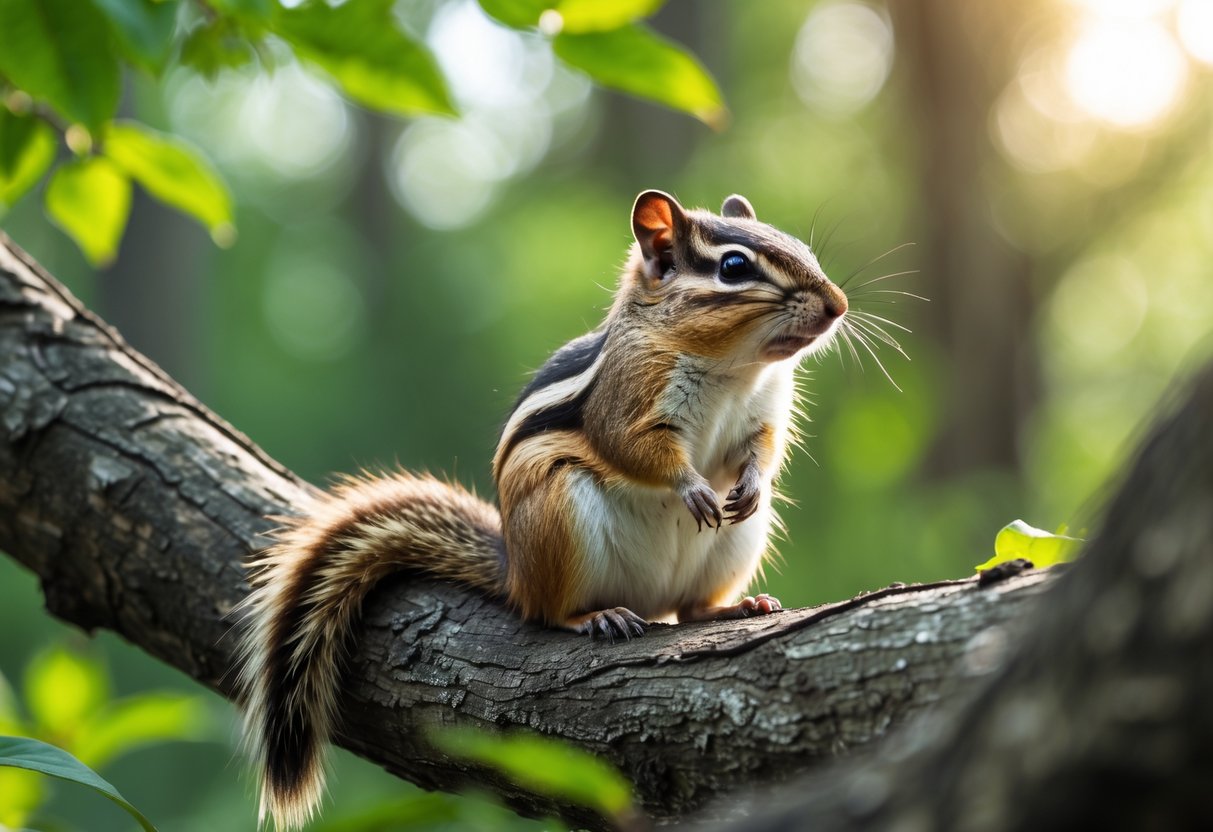
Your backyard chipmunk might surprise you and stick around longer if it dodges predators and finds plenty to eat. Chipmunks living in captivity can reach up to 11 years because they avoid the wild’s dangers. If you’re curious about what shapes their lifespan or how they manage to survive, let’s dig a little deeper.
Chipmunk Lifespan and Key Influences

Chipmunks live fast-paced lives, and where they call home really shapes how long they last. Some—like the eastern chipmunk—outlive others by a bit. Whether they’re wild or in captivity, lots of things affect their years.
Average Lifespan in the Wild
Most wild chipmunks get just 2 to 3 years. Life’s pretty rough out there, with hawks, foxes, and snakes all hunting them. Youngsters have it even tougher in those first months after leaving their mom.
Forests give chipmunks food and places to hide, but winter and food shortages can be brutal. Since they’re always on alert for danger, many chipmunks don’t even reach their first birthday.
Lifespan of the Eastern Chipmunk
Eastern chipmunks tend to edge out other types, living around 3 years in the wild. Some, if they’re lucky and stay healthy, can make it up to 8 years.
They spend most winters tucked away in their burrows, which helps them get through the cold. You’ll usually spot them in spring and summer, hustling for nuts and seeds to stash for later.
Longevity in Captivity
Take away predators and harsh weather, and chipmunks can live a lot longer—sometimes 8 to 11 years depending on the species.
A Siberian chipmunk in captivity might even make it past 10 years. When they get steady care and protection, their odds of growing old go way up.
Factors Affecting Lifespan
A bunch of things can change how long a chipmunk lives. Predators are a big one, especially for the little ones. Honestly, most wild chipmunks get taken out by something else before their first year is up.
Illness and injuries also cut their lives short. Stuff like respiratory infections or dental problems can keep them from eating, and that just wears them down.
Weather matters, too. Bad winters can be deadly, especially if food runs low. Chipmunks rely on their food stashes, but sometimes it’s just not enough, and they risk starving or freezing.
Want to read more? Check out chipmunk lifespan or dive into the eastern chipmunk’s forest life at SUNY ESF Eastern Chipmunk.
Diet, Living Habits, and Chipmunks as Pets
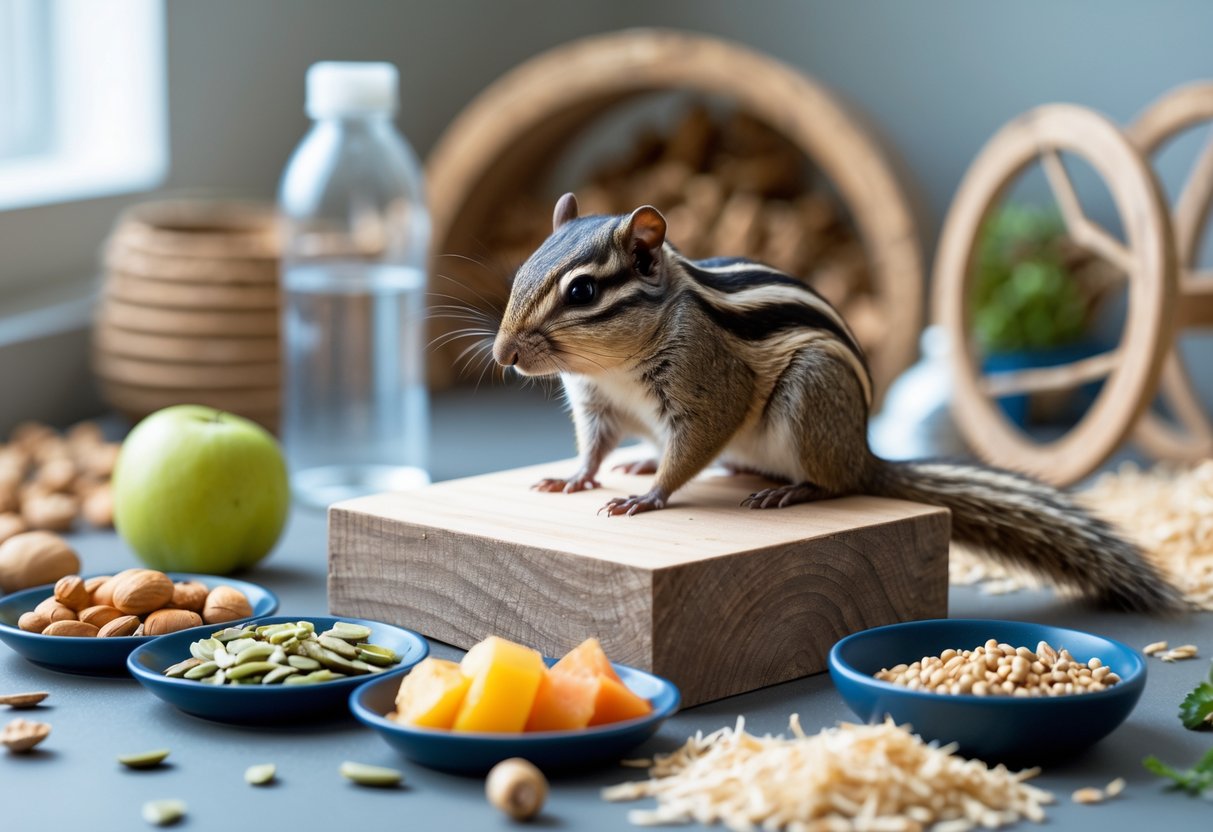
Chipmunks eat a surprising mix of things and build pretty elaborate burrows. If you’re thinking about keeping one as a pet, it helps to know about their natural habits and lifespan.
Typical Diet: Nuts, Seeds, and More
You’ll usually catch chipmunks nibbling on nuts, seeds, and berries. That’s most of their diet, but they don’t stop there—they’ll eat insects and sometimes even bird eggs or snails. This variety gives them the fuel they need, especially to pack away food for winter.
Chipmunks living near people often go for pet food or garden fruit, too. Their eating habits help them stay busy all day, since they don’t really hibernate but rest underground when it’s cold.
Here’s what chipmunks like to eat:
- Nuts (acorns, walnuts)
- Seeds (sunflower, pine)
- Berries (blueberries, strawberries)
- Insects (beetles, caterpillars)
- Sometimes eggs or snails
Living Environment and Burrow Habits
Chipmunks dig burrows that can stretch 30 feet and go about three feet deep. You might spot their tiny entrances—just 1-2 inches wide—hidden under leaves to keep predators away.
Inside, they stash nuts and seeds for winter. During cold months, they rest underground but might wake up on warmer days to snack. If you mostly see chipmunks when it’s warm, they’re probably tucked away in their burrows when it’s cold out.
Chipmunks as Pets and Lifespan Considerations
Thinking about keeping a chipmunk as a pet? In the wild, they usually live around 2-3 years, but with some luck and good care, pet chipmunks often make it past eight.
You’ll need to feed them like their wild cousins—nuts, seeds, fruits, and, now and then, a bit of protein like insects.
They stay busy during the day. So, you’ll want to give them a space where they can run, hide, and feel safe.
Not many people keep chipmunks as pets, honestly. But if you handle them gently, they can turn out pretty friendly and curious.
Just remember, chipmunks aren’t your average small pet. Their needs are different, and you’ll have to pay attention to what makes them happy.
If you want more details, check out chipmunk diet and living habits info from Critter Control.


