
You’ve probably spotted chipmunks darting through your yard or garden and wondered if they’re just cute little visitors or if they actually do anything useful. Turns out, these tiny creatures play a bigger role in nature than most people realize.
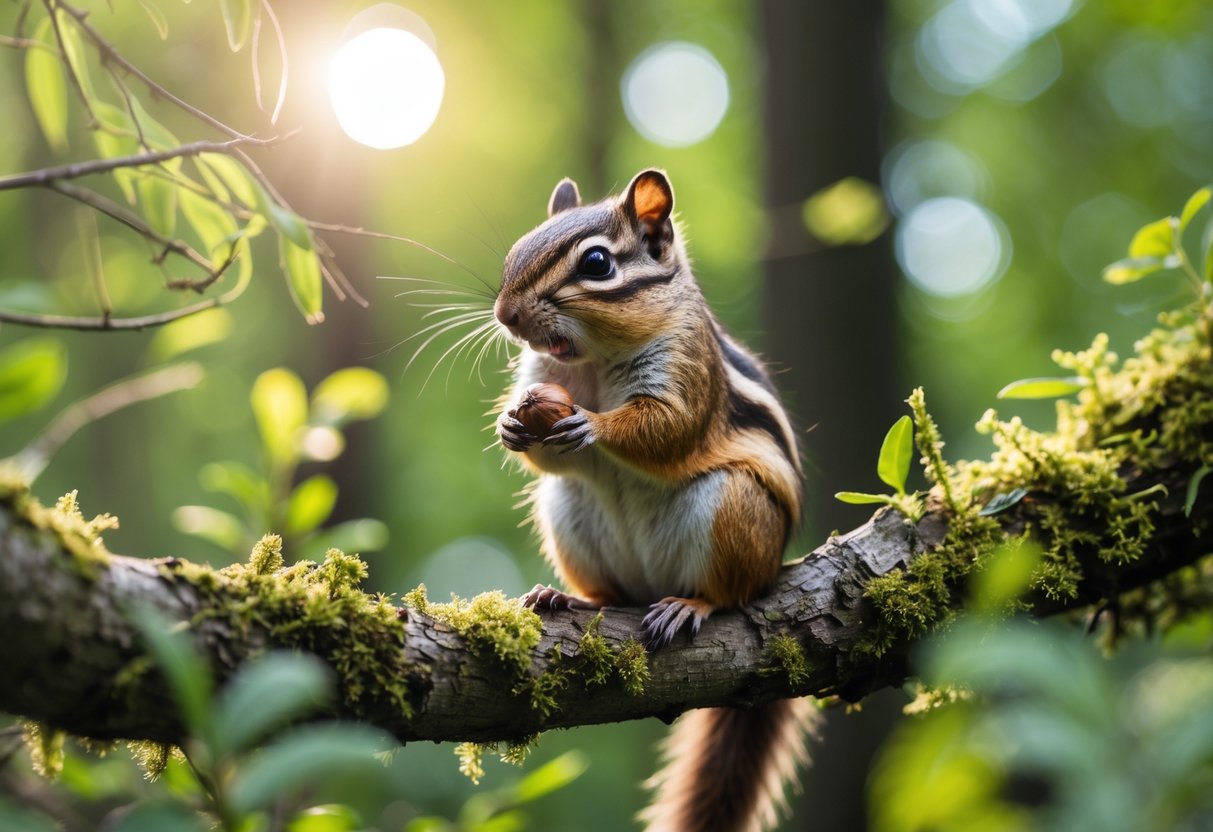
Chipmunks spread seeds and fungi, which helps tons of plants and trees grow. They also dig and move nutrients around, keeping the soil healthy. Once you know what chipmunks do, it’s hard not to appreciate them—even if they sometimes cause a little trouble or make a mess in your garden.
Ever wondered why chipmunks matter or what they actually contribute? Let’s dig into their role in the environment and see why they’re more than just tiny woodland neighbors.
Ecological Importance of Chipmunks

Chipmunks keep forests healthy in several ways. They move seeds and nuts around, dig into the soil, and spread fungi as they go.
These actions help plants grow and support other wildlife nearby.
Seed and Nut Dispersal
When chipmunks collect seeds and nuts, they often carry them far from where they found them.
They stash food in different spots to eat later, but sometimes they just forget about it.
Those forgotten seeds and nuts can sprout into new plants.
Eastern chipmunks, for example, bury acorns and other nuts all over the place.
By moving and hiding seeds, chipmunks help forests grow and stay diverse.
They give young trees a better shot by planting them away from hungry animals.
If you care about your local forest or garden, this natural seed dispersal is a big reason it stays lively.
Soil Aeration and Burrowing Activity
Chipmunks dig tunnels and burrows underground.
When they do this, they mix up the soil and create little pockets of air.
This makes it easier for water and oxygen to reach deep roots.
Better soil means stronger, healthier plants.
Burrowing also helps break down dead leaves and organic matter in the dirt.
That creates a richer home for insects and worms.
If you ever notice chipmunks making tiny holes in your garden, they’re actually helping your plants in the long run.
Spreading Fungi Through Foraging
Chipmunks eat fungi, but they don’t just stop there.
As they move around, they carry fungi spores on their fur or drop bits as they nibble.
This spreads fungi through the forest.
A lot of fungi grow underground and connect with tree roots.
These fungi help trees soak up water and nutrients.
Without chipmunks spreading them, these helpful partnerships could fade.
By foraging, chipmunks support fungi and the trees that rely on them.
This teamwork keeps forests and woodlands balanced and thriving.
Want to know more about how chipmunks help forests? There’s a detailed article out there on their role in spreading fungi.
Chipmunks in Food Webs and Habitats
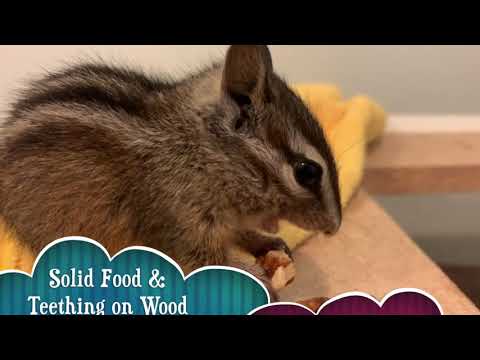
Chipmunks play a key part in their habitats.
They forage constantly and end up as an important food source for lots of predators.
Their diets change throughout the year, which helps them survive and support the ecosystem.
Cheek Pouches and Foraging Behavior
Chipmunks have huge cheek pouches that let them grab and carry food fast.
You’ll see them stuffing seeds, buds, and nuts into their cheeks before heading back to their burrows.
This habit spreads seeds and helps plants grow.
Watch a chipmunk sometime—they’re surprisingly quick and efficient at collecting food.
They use their sharp claws to dig for hidden snacks underground, too.
That digging helps aerate the soil, which boosts plant health.
Predator-Prey Relationships
Chipmunks make easy meals for foxes, coyotes, and birds of prey.
If you live near woods or fields, you might catch a glimpse of these predators hunting chipmunks.
Even though chipmunks are tiny, their role as prey keeps predator populations balanced.
Your local food web really depends on this give-and-take to stay healthy.
Diverse Diet and Seasonal Habits
Chipmunks munch on all sorts of foods. In spring and summer, you’ll spot them nibbling green buds or snacking on fruits.
Later on, they go for nuts and seeds to get ready for winter. Their diet shifts as different foods come and go.
This adaptability really helps them get through rough patches. Plus, by scattering seeds and spores, they end up supporting all kinds of plants around them—maybe more than we realize.


