
Ever wondered if chipmunks are friendly? Well, sometimes they are, but it really depends on the situation.
Wild chipmunks usually act shy and keep their distance. Still, if you’re patient and offer them food, some might get comfortable enough to take snacks right from your hand.
Chipmunks aren’t naturally social, but you might see friendly behavior if they start to feel at ease with you.
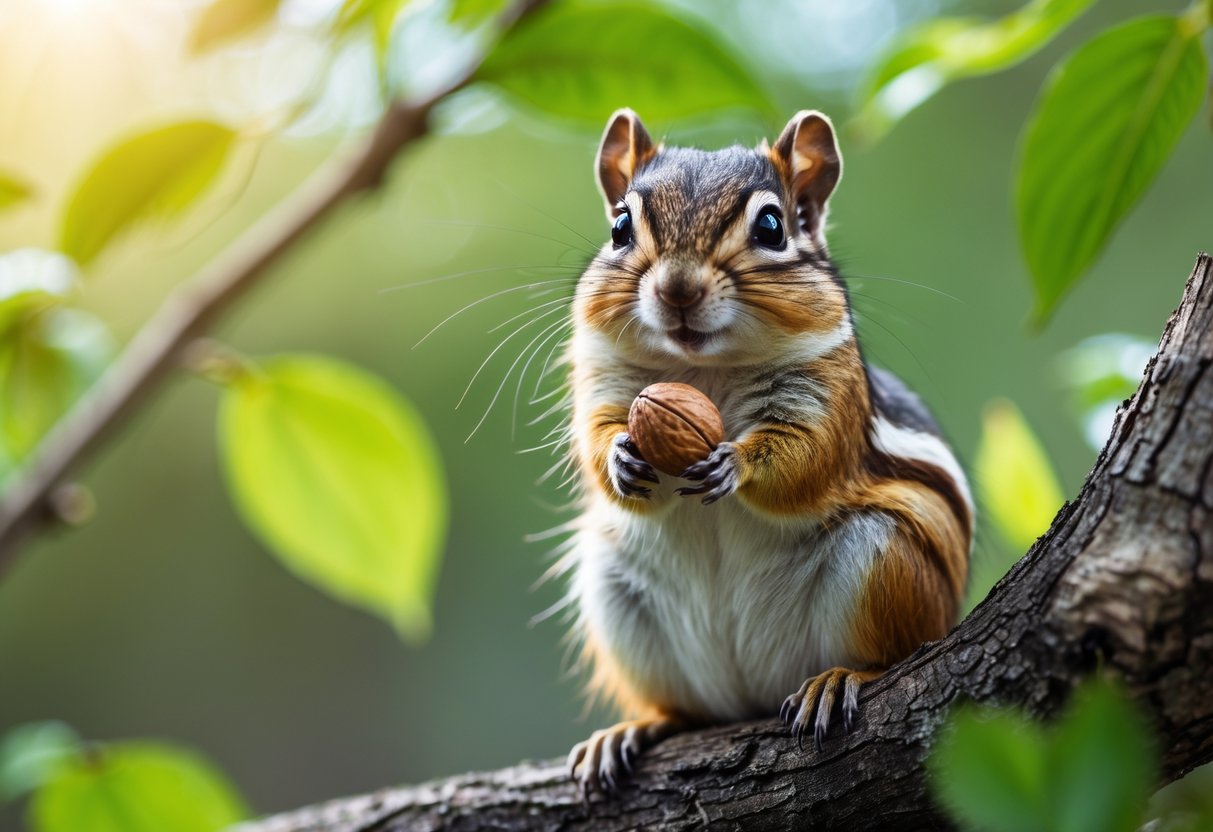
You might notice chipmunks acting bold if you hang out nearby often and offer treats they love.
Just keep in mind, they’re wild animals at heart and usually stay on guard.
Trying to pick them up or handle them too much? That’ll probably stress them out, or they’ll just bolt.
If you get their nature, you can build a respectful friendship and enjoy their company without causing trouble.
Getting to know chipmunks can actually be pretty fun if you respect their boundaries.
They seem sweet and curious, but whether they’re friendly really depends on how you approach them.
Curious about their behavior and what to expect? Let’s keep going.
Are Chipmunks Friendly to Humans?

Chipmunks look adorable, but their behavior can be a bit unpredictable.
Some dart away the second they spot you, while others might inch closer if they’re used to people.
If you pay attention, you’ll start to pick up on their moods and habits, which helps you know if they feel safe or nervous.
Natural Instincts and Wild Behavior
Wild chipmunks stay alert to survive, always on the lookout for danger.
They usually dash away from humans because avoiding threats just comes naturally to them.
Chipmunks act territorial and keep a close watch on their homes.
If they feel threatened, they might act aggressive.
They warn others and protect themselves with quick moves, sharp chirps, and tail flicks.
If you move in too fast or try to touch one, it could bite or scratch to defend itself.
Knowing chipmunks tend to be cautious helps you respect their boundaries.
Tame Chipmunks Versus Wild Chipmunks
Chipmunks that hang around people a lot—like in parks or backyards—sometimes lose some of their fear.
If you feed them often, they can start to seem pretty friendly.
Tame chipmunks might let you get close or even pet them, but that doesn’t mean they’re like house pets.
They still have wild instincts and might bite if they get scared.
Pet chipmunks raised from babies act differently and usually trust their owners more.
Common Signs of Friendliness or Fear
You can spot a friendly chipmunk if it approaches slowly, takes food from your hand, or hangs around without running off.
If you see one freeze, dart away, chatter, or try to hide, it’s probably scared.
Aggressive chipmunks might growl or bite if they feel trapped.
Watching these signals helps you know when you can enjoy watching chipmunks and when it’s better to give them space.
Want to dig deeper into how chipmunks act around people? Check out this article on chipmunks and human friendliness.
How to Safely Interact With Chipmunks

If you want to spend time with chipmunks, you’ll need patience and a gentle approach.
Go slow and respect their space to avoid stressing them out or making them defensive.
Building trust doesn’t happen overnight, but if you give them positive experiences, they’ll start to feel safer around you.
Best Practices for Approaching Chipmunks
Start by just watching from a distance.
Sudden moves or loud noises can spook chipmunks—even Siberian ones.
Move slowly and try not to stare right at them.
It actually helps to crouch or sit instead of towering over them, so you seem less threatening.
Keep your hands steady and don’t try to touch them right away.
Let the chipmunk decide if it wants to come closer.
At first, avoid feeding them by hand.
Instead, put out some nuts or seeds nearby and back off.
That way, chipmunks can learn you’re not a threat.
Creating Positive Experiences
You’ll help chipmunks feel safe if you offer food in the same spot regularly.
Sunflower seeds or small nuts work well.
Talk softly or just stay quiet so you don’t startle them.
Loud noises make chipmunks uneasy since they rely on sound to stay alert.
Keep pets away when you’re interacting with chipmunks.
Dogs and cats can freak them out and ruin the trust you’re building.
If you notice a chipmunk looking tense or making loud chirps, it’s time to give it space.
Those signals mean it feels threatened.
Tips for Building Trust Over Time
Honestly, you’ll need some patience—chipmunks aren’t going to become your pals right away. Try showing up at the same spot often, so they start recognizing you.
Stick with the same clothes or even the same scent if you can. Too much change in your appearance or smell? That’ll probably just throw them off.
Don’t make any sudden moves. When you offer food, move your hand slowly—wait until they seem comfortable.
Siberian chipmunks usually get more active in the morning. If you want better luck, try hanging out with them early in the day.
Respect their wild side. If they scamper off, just let them go. Trust comes when you let them stay in charge.
If you’re curious about chipmunk behavior and how to get friendlier with them, check out My Backyard Life.


