
Ever wondered what else people call chipmunks? Honestly, you’re not the only one. These little striped rodents pick up different names depending on who’s talking or where you are.
People often call a chipmunk a “striped squirrel.” Sometimes, you’ll even hear them referred to as ground squirrels.
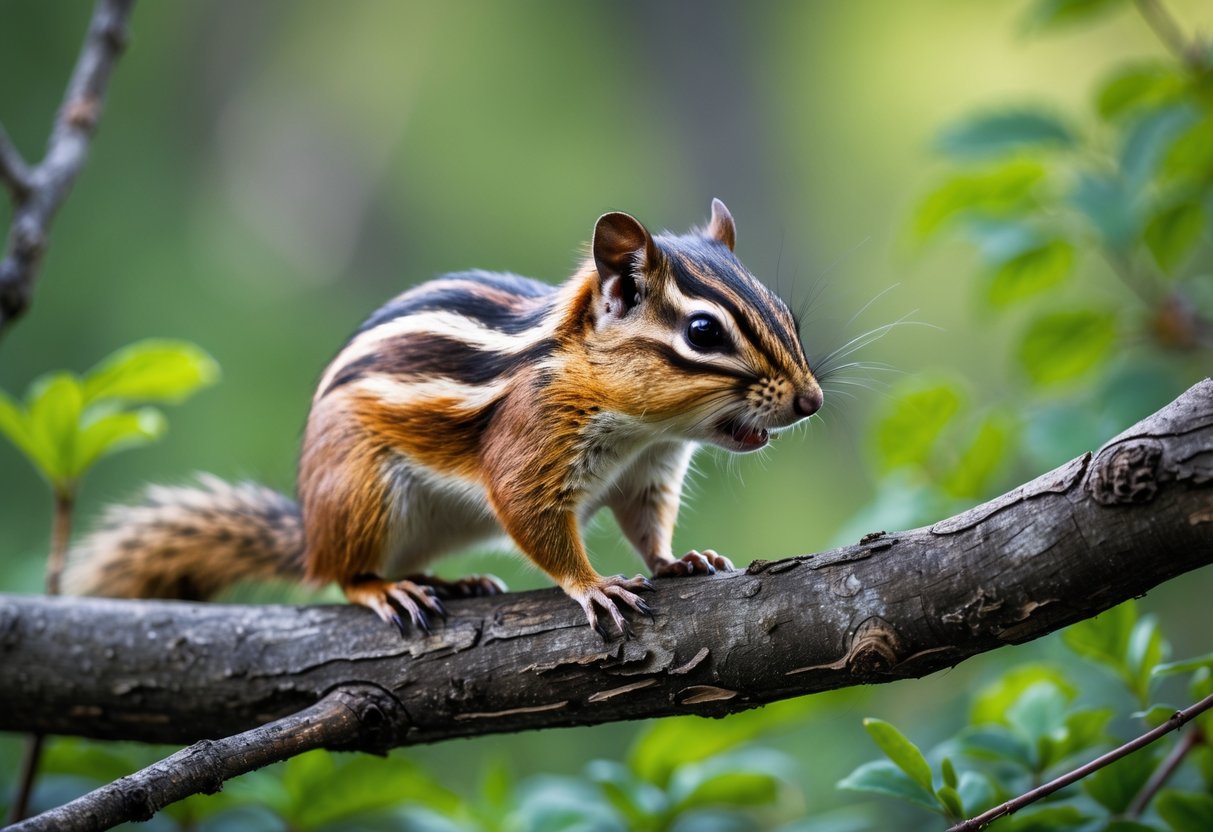
You might hear folks call them squirrels or ground squirrels since chipmunks belong to the squirrel family. But chipmunks stand out—they’ve got those racing stripes and those chubby cheek pouches for stashing snacks.
Knowing these other names can help you spot a chipmunk, no matter what people call them in your area.
Alternate Names for Chipmunks
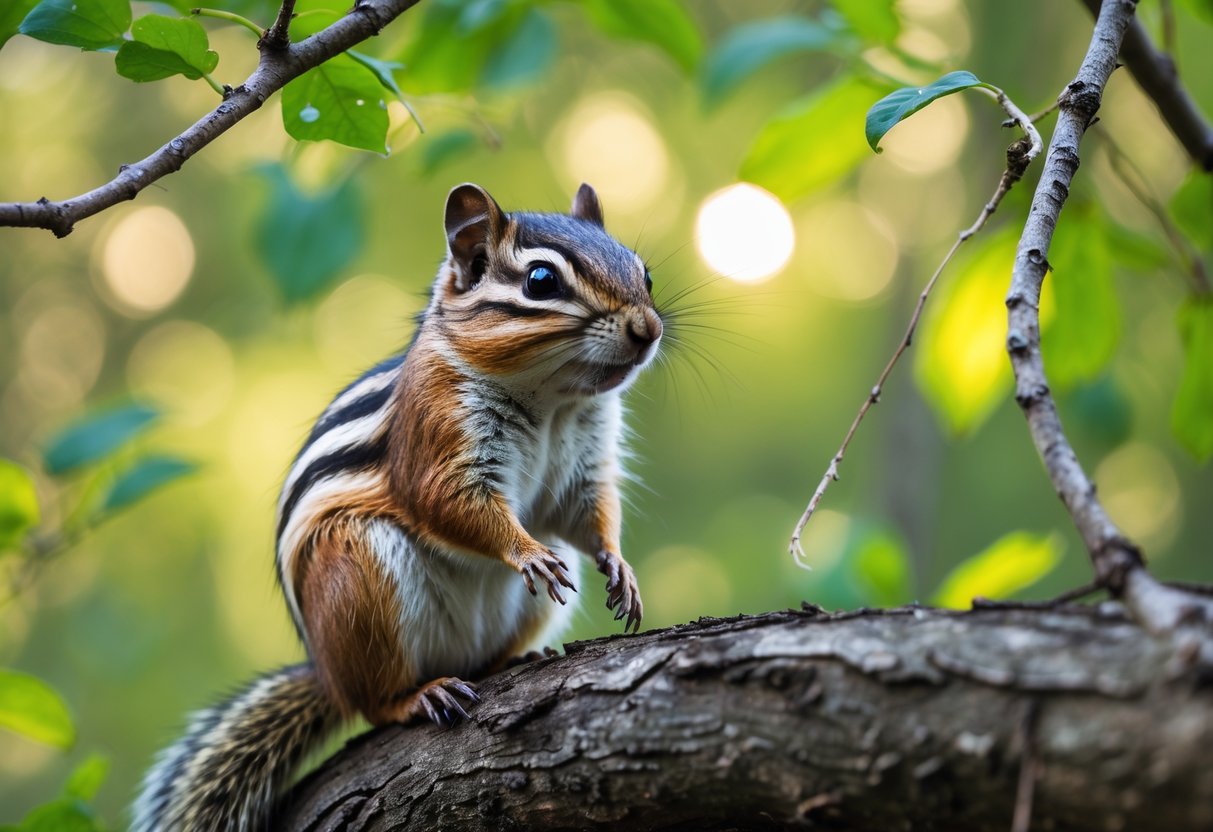
Depending on where you are, or even which chipmunk you’re looking at, you’ll notice a bunch of different names. Some names come from local slang, others from science, and a few from other cultures.
It’s kind of fun to see how these names pop up and what they say about the animal.
Common English Names
In English, people sometimes call chipmunks “small squirrels” since they’re part of the squirrel family, Sciuridae. Folks also use “ground squirrel,” especially because chipmunks spend a lot of time digging around in the dirt.
Other simple names you might hear:
- Chip squirrel
- Striped squirrel
These names really just point out their most obvious feature—those bold stripes running down their backs.
The Eastern Chipmunk (Tamias striatus) usually goes by “chipmunk” in the eastern U.S. Out west, you’ll hear about the Least Chipmunk and a few others, but they all get grouped under “chipmunks.”
Scientific Names and Their Meaning
Scientists put chipmunks in the genus Tamias. That word comes from Greek and means “storer” or “one who hoards.” Honestly, that fits—chipmunks stuff their cheeks with food all the time.
The Eastern Chipmunk’s full name is Tamias striatus, which translates to “striped storer.” The Siberian Chipmunk, from Russia and Asia, is called Tamias sibiricus.
Some western chipmunks get classified under Neotamias. That split shows how there are differences between species, but they’re all still little members of the squirrel family.
Names in Other Languages
Chipmunks have some pretty interesting names around the world. Most describe how they look or act. The word “chipmunk” in English probably comes from the Ojibwe word ajidamoo, which means “one who descends trees headfirst.”
In other languages:
- In Japanese, people call the Siberian Chipmunk “Shima Risus”—that just means “striped squirrel.”
- French speakers say “tamia” or “écureuil rayé”, which is also “striped squirrel.”
- In Russian, the Siberian Chipmunk goes by “бурундук” (burunduk), a word that simply refers to this small, striped rodent.
It’s neat how these names all circle back to the chipmunk’s stripes and lively habits.
If you’re curious for more, check out a detailed overview of chipmunks.
Chipmunks in the Squirrel Family

Chipmunks belong to the big squirrel family, but they’ve got some quirks that set them apart. You’ll find chipmunks are closer to ground-dwelling squirrels and marmots than to tree squirrels.
Their habits and looks really show that connection.
Relation to Ground Squirrels and Marmots
Chipmunks share the same family as ground squirrels and marmots. Like ground squirrels, chipmunks spend most of their lives on or under the ground.
They dig burrows where they can sleep, stash food, and stay safe from predators.
Marmots, like woodchucks, are bigger cousins who also live underground. Chipmunks and marmots both hoard food in their burrows.
Chipmunks use those big cheek pouches to carry nuts and seeds, which helps them gather and move food quickly.
You could think of chipmunks as the smaller, speedier cousins of ground squirrels and marmots. If you watch them in the wild, you’ll probably notice some similar behaviors.
Differences from Tree Squirrels
Tree squirrels and chipmunks might be related, but they’re pretty different. Tree squirrels spend their days up in the branches, while chipmunks stick to the ground.
Chipmunks have bold stripes on their faces—tree squirrels don’t. Tree squirrels are usually bigger and don’t have those stretchy cheek pouches for carrying food.
Since chipmunks live on the ground, they dig burrows instead of building nests in trees. Their diets can overlap with tree squirrels, but their shelters and habits are pretty distinct.
Notable Chipmunk Species
Most folks know the Eastern chipmunk, or Tamias striatus. You’ll spot it in eastern North America by its reddish-brown fur and those five bold, dark stripes running down its back.
Scientists count about 25 chipmunk species in the Tamias genus. Some hang out in forests. Others seem to like rocky patches or open spots more.
Every one of them stuffs food into their cheek pouches—nuts and seeds are their favorites.
Chipmunks usually weigh around 3 ounces, so they’re pretty tiny. Still, they always seem lively and you’ll often hear their sharp little calls.
They help forests by scattering seeds, which honestly feels pretty important.


