
Ever wondered if you could actually befriend a chipmunk? Well, you can—if you’re patient and gentle enough. It takes some time and care since they’re wild animals, but honestly, it’s not impossible.
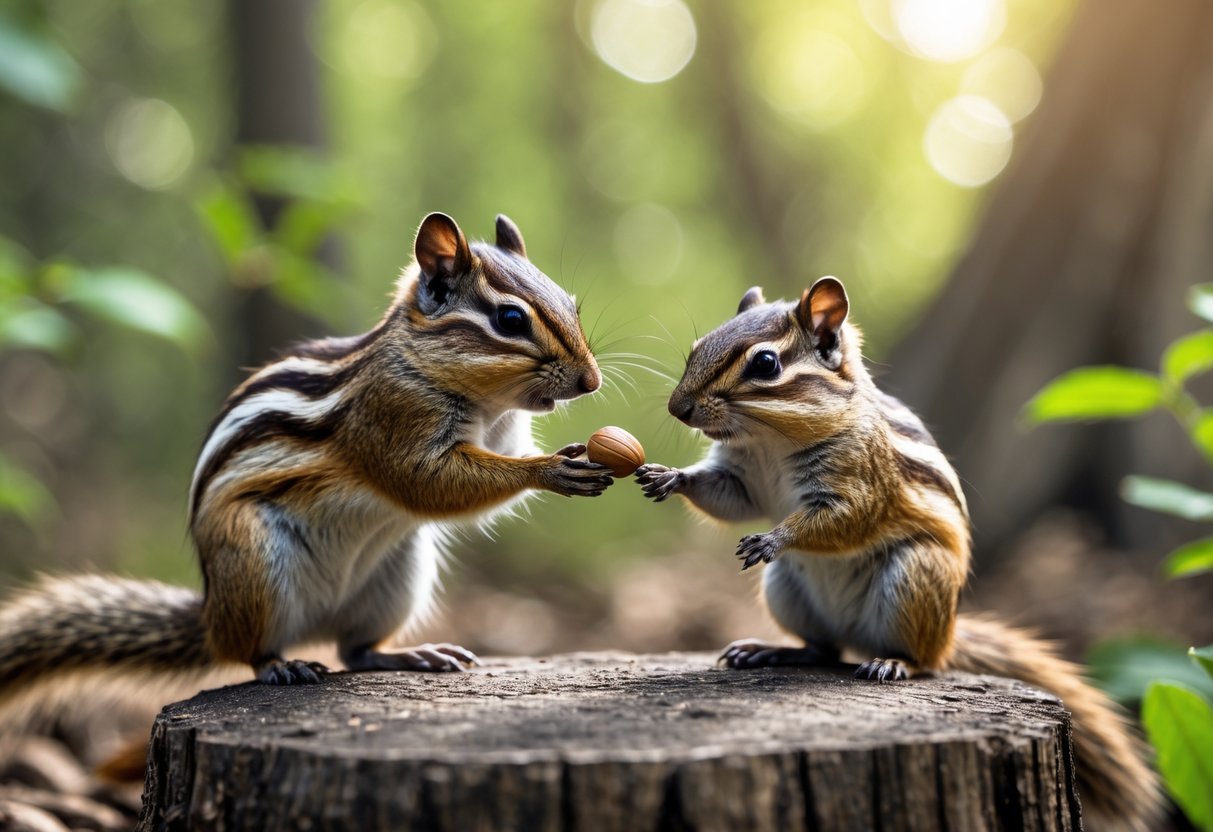
Try spending quiet moments near chipmunk hangouts. Offer treats like nuts or bits of fruit, and move slowly.
If you stick with it, you might see them get comfortable around you. Some might even take food right from your hand.
Curious about how to start, or what to avoid? You’re in the right place. Here are some simple steps that could help you connect with chipmunks in your backyard or at the park.
Understanding Chipmunk Behavior and Socialization

If you want to befriend a chipmunk, you’ll need to get a feel for their habits. Pay attention to how they react to people, and what makes them feel safe or uneasy.
Understanding their signals and boundaries helps you earn their trust without stressing them out.
Wild Chipmunks’ Natural Instincts
Wild chipmunks spend most of their time looking for food and staying safe. They collect nuts, seeds, and little snacks, then stash them away in burrows.
Their burrows can be surprisingly long—sometimes 10 to 30 feet underground.
Chipmunks stay on guard because predators are everywhere. They dart around and use hiding spots to escape.
They don’t usually approach people unless they’ve learned to trust you over time.
When winter’s coming, chipmunks use their big cheek pouches to store food. Those pouches can stretch way bigger than their heads.
This instinct to collect and stash food shapes almost everything they do.
How Chipmunks Respond to Humans
Chipmunks can get used to people if you’re quiet and patient. If you show up regularly and offer food nearby, they might start to relax.
Try tossing a few peanuts or seeds in their direction to get their attention.
After a while, some chipmunks will inch closer, realizing you’re not a threat. The bold ones might even take food from your hand.
If you move slowly and speak softly, they might climb nearby—or even on you.
But not every chipmunk will be friendly. Some just stay shy, and sudden moves can send them running.
If you stay calm, you’ll have a better shot at earning their trust.
Territorial Nature and Communication
Chipmunks guard their turf, especially around their burrows. They use loud chirps and stomp their feet to warn others and protect their space.
If you spot this behavior, it’s a sign the chipmunk feels defensive.
During spring, you might see chipmunks interacting more, but most of the year they go solo.
Knowing where their territory starts and ends helps you avoid stressing them by getting too close.
They also use sounds and tail flicks to communicate. Sometimes it’s to show who’s boss, or to alert their young.
If you notice these signals, it’s probably time to slow down or give them some space.
Risks of Interaction with Wild Chipmunks
While chipmunks aren’t really dangerous, they can carry diseases like any wild rodent. Always wash your hands after feeding them or handling anything they’ve touched.
Sometimes chipmunks nip fingers by accident if they think you’re offering food. If that happens, try not to jerk away and scare them.
Feeding wild chipmunks too much can make them lose their natural fear of people. That’s not always great—they might start sneaking into homes or chewing wires.
If a chipmunk feels trapped or thinks its babies are in danger, it might act aggressive for a moment. Respect their space and you’ll both have a better experience.
Want to dig deeper? Check out hand feeding chipmunks in five easy steps.
Effective Ways to Befriend Chipmunks

If you want to make friends with wild chipmunks, patience and a gentle touch are key. A peaceful space helps them feel safe.
Building trust isn’t fast, so your calm attitude really matters. Food is a good tool, but you’ve got to use it wisely.
Creating a Safe Environment
First, pick a quiet spot where chipmunks hang out—maybe a garden or a wooded corner. Keep things calm; loud noises and quick moves will just send them running.
Give them places to hide, like bushes or logs. That way, they feel protected while they check you out.
When you show up, sit or stand still. Wear neutral colors that blend into nature.
Stay chill and keep your distance at first. Let them decide when to come closer—forcing it just doesn’t work.
Building Trust Over Time
Meeting a wild chipmunk isn’t something you rush. Visit the same spot often so they start to recognize you.
Always be patient. Don’t chase or try to grab them; that’s the fastest way to scare them off.
Speak softly when you’re near, maybe even mimic their quiet little sounds. It helps show you’re not a threat.
Even a few minutes a day sitting nearby helps chipmunks get used to you. Over time, you might just earn their trust.
Using Food and Treats Safely
Food usually gets chipmunks interested, but you’ve got to be careful.
Try offering small amounts of natural treats—nuts, seeds, maybe a bit of fruit. Skip the junk food and anything processed.
Set the treats on a platform or just on the ground near you. If the chipmunks seem comfortable, go ahead and hold some food out in your open palm.
Don’t force a chipmunk to eat from your hand. Giving too much food can hurt them or make them rely on people too much.
Wash your hands before feeding. It’s best not to touch chipmunks, just to keep you both safe.
Want to know more? Check out how to make friends with chipmunks in their natural habitat.


