
Ever wondered how old Alvin, Simon, and Theodore actually are? You’re definitely not alone. Their ages can get a little confusing since every show or movie seems to tweak things a bit. Usually, the Chipmunks come across as kids somewhere between 8 and 16 years old, depending on which series or film you’re watching.
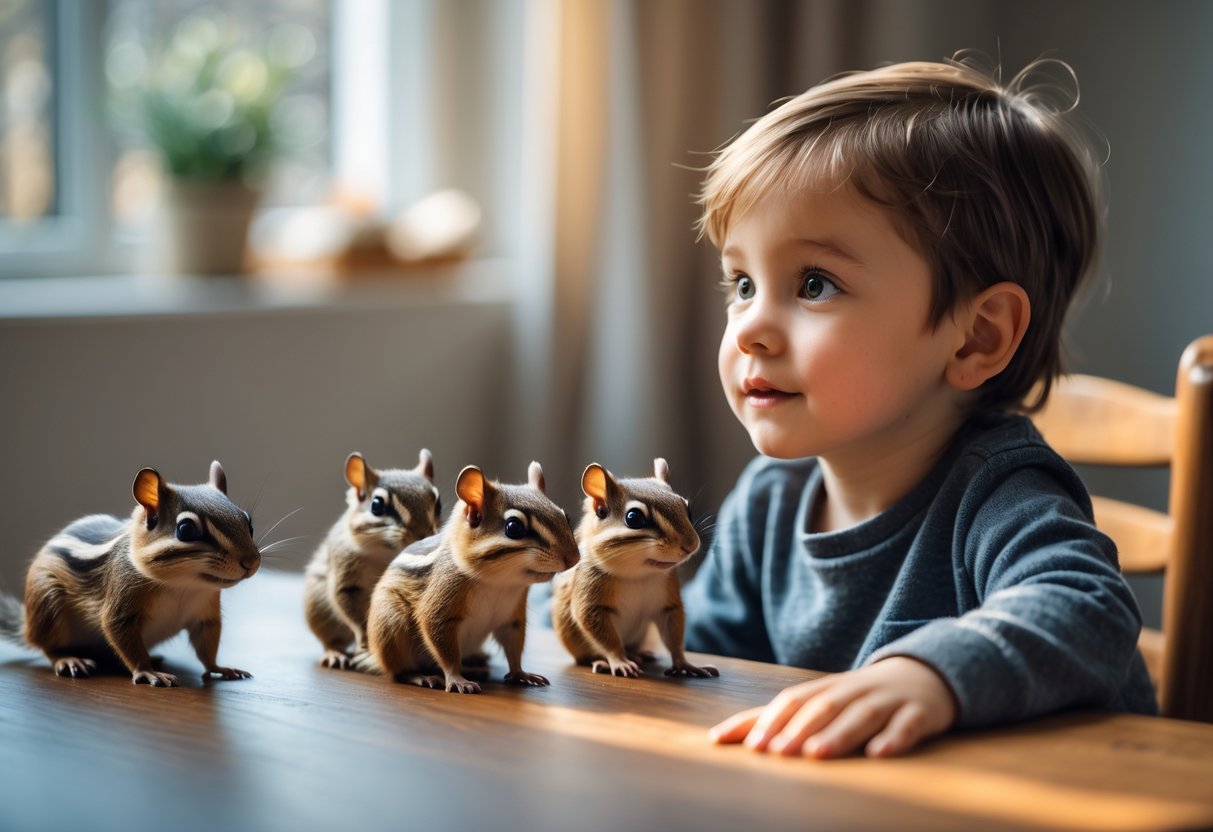
In the old 1980s series, they acted like they were 8 or 9. But in the live-action movies, they seem to age up a bit—more like 13 to 16. The 2015 cartoon? They’re mostly middle schoolers, probably around 12.
Their ages shift depending on the story, but you’ll always find them somewhere in that kid-to-early-teen range.
Knowing their age gives you some insight into their wild energy and mischief, or those moments when they’re actually a bit thoughtful or anxious. If you’re a longtime fan or just curious, this guide should help clear up the age mystery. For more specifics, check out their different ages in the 1983 series and live action movies.
Understanding Chipmunk Ages
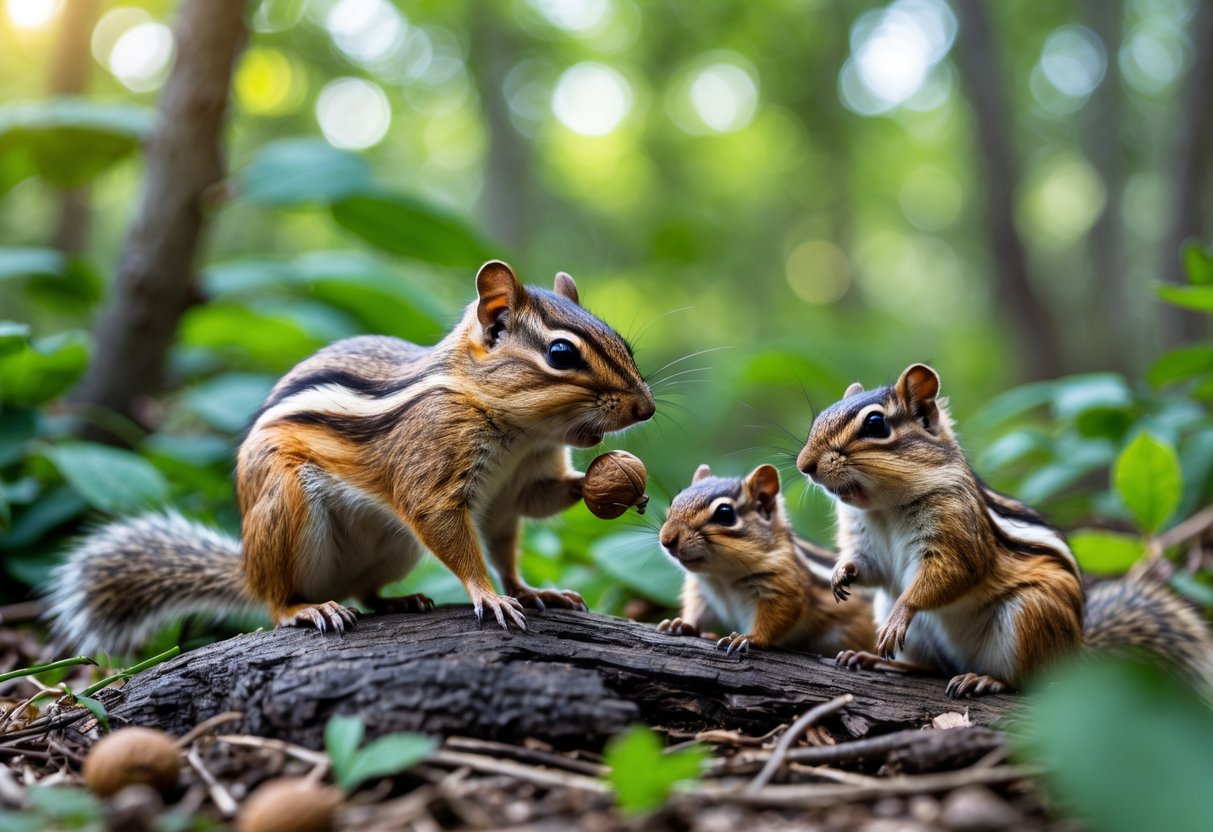
If you know how chipmunks grow and change, you’ll have a much easier time guessing their age. You’ll spot how their bodies develop, pick up on signs of age, and notice how their behavior shifts as they get older.
Physical Development Stages
Chipmunks grow fast—babies become adults before you know it. At birth, they’re tiny and helpless.
Within a few weeks, they start growing fur and open their eyes.
By 10 to 12 weeks, chipmunks hit sexual maturity. They’re able to reproduce at that point, even though they’re still pretty young.
As adults, they’re fully furred and those stripes down their backs become obvious.
You can look at a chipmunk’s size and fur to get clues about its age. Young chipmunks look smaller and have softer fur. Older ones seem more filled out and their fur can get thicker or even a bit rough.
How to Tell the Age of a Chipmunk
Guessing a chipmunk’s age isn’t easy, but you do have a few hints.
- Size: Smaller chipmunks are younger. They grow fast, so size can help you make a rough guess.
- Teeth: If you get close, young chipmunks have sharp, white teeth.
- Fur condition: Young chipmunks have smooth, clean fur. Older ones might have fur that looks worn or dull.
- Activity level: Really young chipmunks stick close to the nest. Adults roam a lot more.
Unless you know exactly when a chipmunk was born, you can only estimate—but these signs give you a decent idea.
Behavioral Changes Over Time
As chipmunks grow up, their behavior changes a lot. Babies stick with their mom and stay in the burrow most of the time.
After about two months, they start exploring and foraging on their own.
Once they’re adults, chipmunks act more independent and sometimes even territorial. They spend a lot of time digging, storing food, and working on their burrows.
You’ll notice the younger ones are curious and playful, while older chipmunks act more cautious and focus on survival. This change helps them adapt through the seasons.
For more about chipmunk ages and behaviors, you can check this chipmunk age discussion.
Life Cycle and Growth of Baby Chipmunks

Baby chipmunks go through a bunch of quick, important changes from birth until they start living solo. If you pay attention to their size, behavior, and when they start acting independent, you’ll get a sense of how they grow and adapt.
Newborn Baby Chipmunk Characteristics
When baby chipmunks arrive, they’re tiny—barely 2.5 inches long. They have no fur, can’t see, and totally rely on their mom for warmth and food.
They stay hidden in the nest deep in the burrow.
Their little bodies are soft and fragile at first. They don’t have teeth or much ability to move, so their mom spends a lot of time caring for them.
Newborns need frequent feeding to grow. Within a few weeks, they start growing fur and their senses develop.
Developmental Milestones: From Birth to Independence
In the first six weeks, baby chipmunks get fur, open their eyes, and start moving around the nest.
They become more active, and you’ll see them making short trips outside as they build up strength and confidence.
By week seven or eight, their mom starts preparing them for life outside the nest.
She might act more aggressive, nudging the young ones to explore and find their own food. This helps them learn independence.
At this point, baby chipmunks measure about 7 to 10 inches, including their bushy tails.
They can eat seeds, nuts, and insects by themselves. They practice foraging but usually stay close to safety.
When Do Chipmunk Babies Leave the Nest?
Baby chipmunks usually leave the nest when they’re about eight to ten weeks old. At that point, these little ones need to find their own space.
They start setting up separate burrows or shelters so they can survive on their own. The mother just stops letting them back into the home tunnel.
Before they head out, chipmunks gather food for themselves and try out their survival skills. Nearby adults often call out to mark their territory, basically telling the young chipmunks to keep their distance.
When they finally leave, chipmunks are pretty much ready for independent life. Still, they tend to stick close to where they were born for a while—maybe they’re just getting used to the world.
Want to dive deeper into chipmunk habits? Check out Mass Audubon’s chipmunk information page.


