
Ever spot a tiny striped rodent darting by and wonder if it’s just a baby squirrel? You’re definitely not alone. Lots of folks mix up chipmunks and young squirrels since they’re both small and, honestly, kind of adorable. But, the truth? It’s not what you might think.
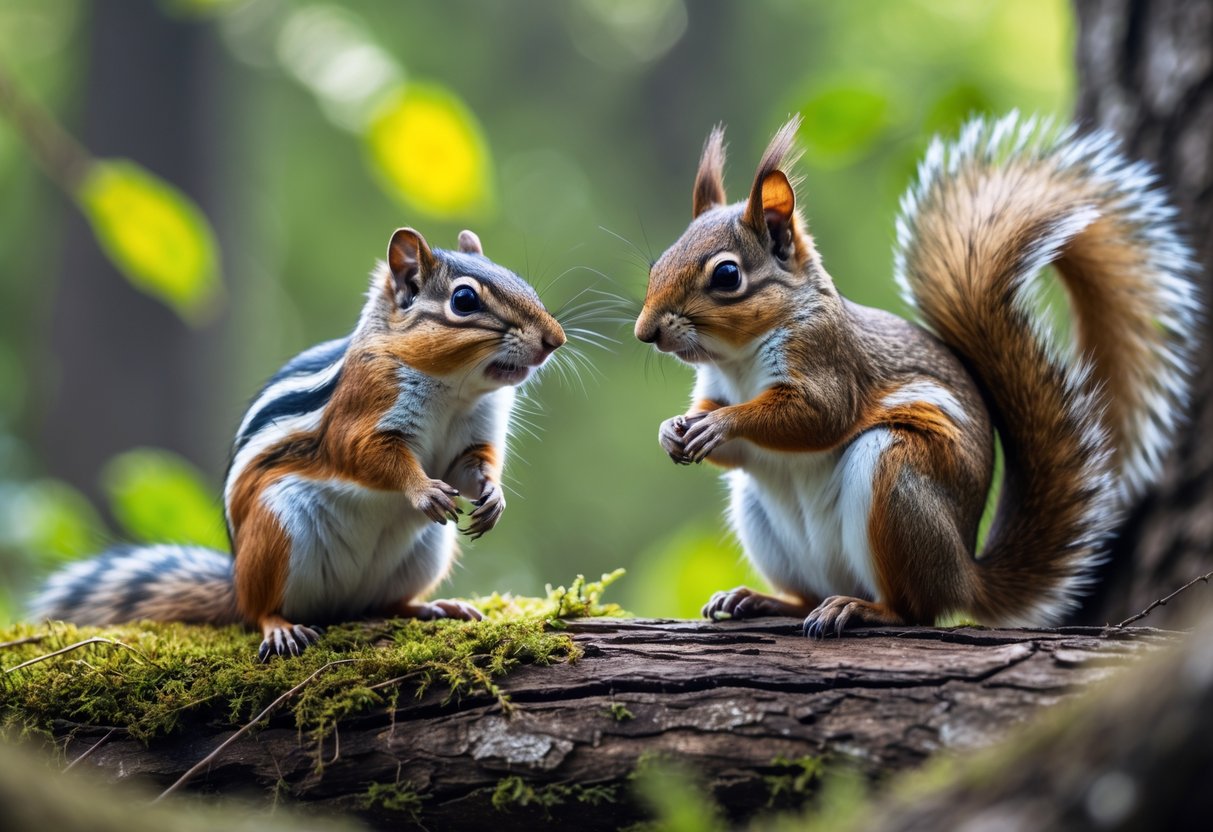
Chipmunks aren’t baby squirrels—they’re their own thing, with stripes and all. Sure, they belong to the squirrel family, but they’ve got their own quirks and habits. Once you know what sets them apart, you’ll start to notice all the little ways chipmunks do their own thing.
Learning how chipmunks and squirrels differ can actually make a walk in the park way more interesting. If you’re curious about what makes chipmunks unique, just keep reading!
Are Chipmunks Really Baby Squirrels?

You might find yourself asking if chipmunks are just baby squirrels, especially since they look kind of similar. But chipmunks and squirrels are totally different rodents. They each have their own features, habits, and life cycles.
When you get to know the differences, it’s pretty clear why chipmunks aren’t just baby squirrels.
Common Misconceptions About Chipmunks and Squirrels
People often think chipmunks are baby squirrels because both have fluffy tails and sometimes stripes. But chipmunks are their own type of rodent within the squirrel family—not just young squirrels.
Chipmunks show off stripes that run over their heads and faces, while squirrels, if they have stripes, usually just have them on their backs. You’ll usually see chipmunks scurrying on the ground, but squirrels prefer hanging out in trees.
Chipmunks also stay smaller than squirrels. So, if you spot a little striped critter, it’s probably not a baby squirrel.
Key Differences Between Chipmunks and Squirrels
Chipmunks belong to the Tamias genus, which actually includes about 25 different species. Squirrels fall under the Sciuridae family, which covers tree squirrels, ground squirrels, and flying squirrels.
Here’s a quick look at some differences:
| Feature | Chipmunks | Squirrels |
|---|---|---|
| Size | Smaller (1-5 ounces) | Larger, can weigh much more |
| Stripes | Stripes on head, face, back | Stripes usually only on back |
| Habitat | Ground dwellers, burrows | Mostly tree dwellers, nests in trees |
| Cheek Pouches | Yes | Some species (ground squirrels) |
These details make it pretty obvious—chipmunks and squirrels aren’t the same, and one doesn’t just turn into the other.
Lifespan and Growth Stages Explained
Chipmunks grow up fast and stay small, usually living just 2 to 3 years in the wild.
Squirrels can stick around much longer—some tree squirrels live up to 6 years, and a few can even make it to 18. Their babies look different from chipmunks, too.
Baby squirrels start off with soft fur and no stripes. Their tails get bushy as they grow. Chipmunks, though, keep their stripes for life, so you’ll never see one morph into a squirrel.
Understanding Chipmunks and Squirrels: Species and Characteristics

It’s easy to think chipmunks are just baby squirrels, but that’s not really the case. Both are part of a big rodent family, but their size, behaviors, and types are all over the place.
Chipmunk Species and Traits
Chipmunks belong to the Tamias genus. The eastern chipmunk (Tamias striatus) is probably the one you’ve seen most often in North America.
Chipmunks are tiny compared to most squirrels, usually weighing around four ounces. They’ve got bold stripes on their backs and sides, in colors like black, brown, or white.
Chipmunks use their cheek pouches to carry food—kind of like furry grocery bags. They spend a lot of time on or under the ground, digging burrows to stash food and hang out.
Squirrel Types: Tree, Ground, and Flying Squirrels
Squirrels come in a bunch of different types—tree squirrels, ground squirrels, and flying squirrels. Tree squirrels, like the eastern gray squirrel, are expert climbers and pretty much live in the trees.
Ground squirrels dig burrows and live on the ground, a bit like chipmunks. Flying squirrels can glide between trees thanks to a special flap of skin.
Tree squirrels are way bigger and heavier than chipmunks. The eastern gray squirrel, for example, can live up to six years and is about two or three times the size of a chipmunk. Ground squirrels and chipmunks both burrow, but you can spot differences in their size and markings.
Habitat and Behavior Comparisons
Chipmunks mostly live underground in burrows. They collect food like nuts, seeds, and berries.
You’ll usually spot eastern chipmunks in wooded areas or parks. They like places where they can dig and hide.
Tree squirrels spend a lot of time in nests high up in trees. They do come down to the ground to look for food.
Flying squirrels? They’re nocturnal, so you probably won’t catch them during the day.
Ground squirrels and chipmunks both go after similar food. They stick close to the ground most of the time.
You can tell chipmunks apart by their small size and stripes. Squirrels come in all kinds of sizes and their behavior really depends on the type.


