
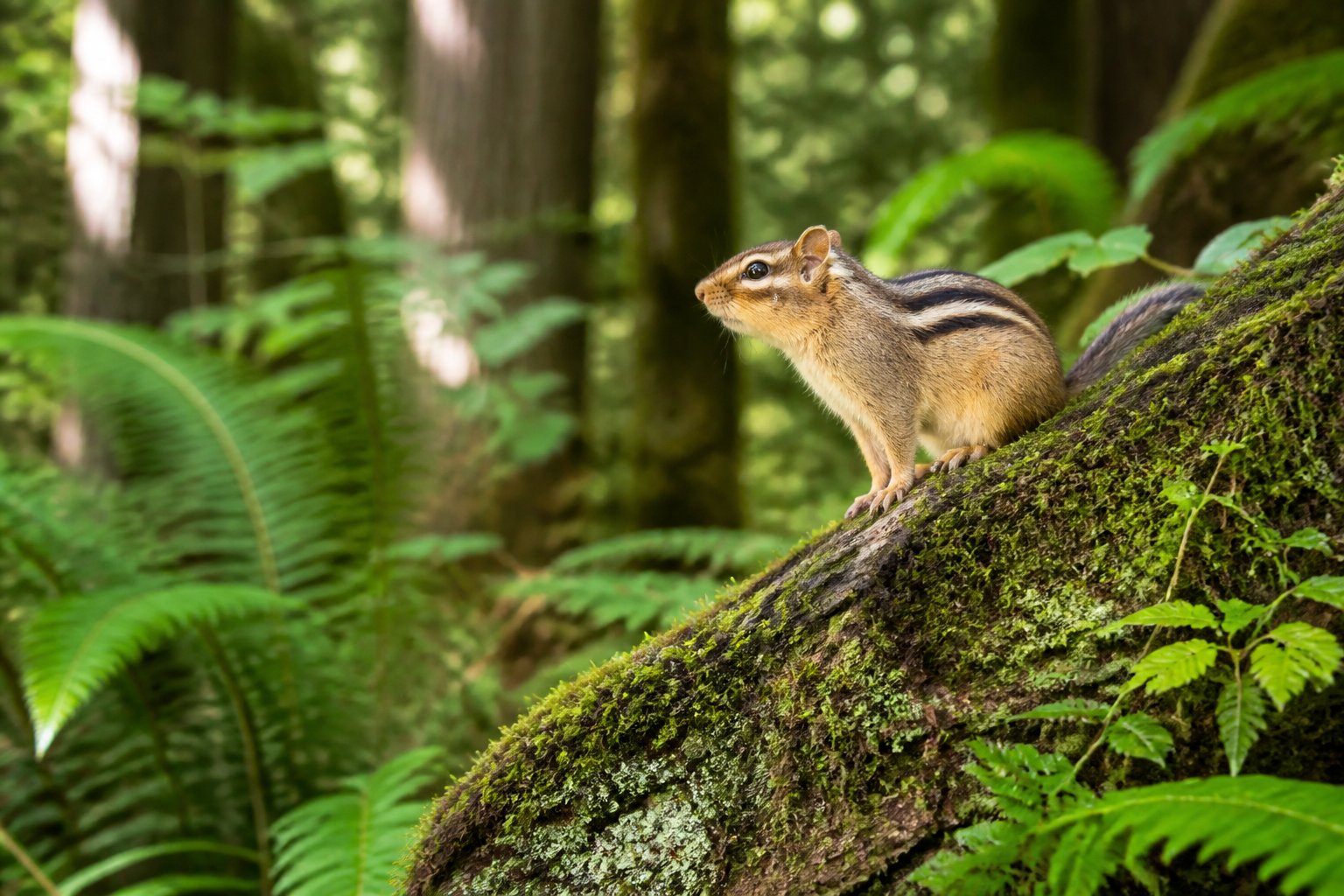
You are not likely to find native chipmunks on Vancouver Island. The island’s mammal community is different from mainland British Columbia.
Several small mammals that you might expect to see elsewhere are missing from the local wildlife mix.
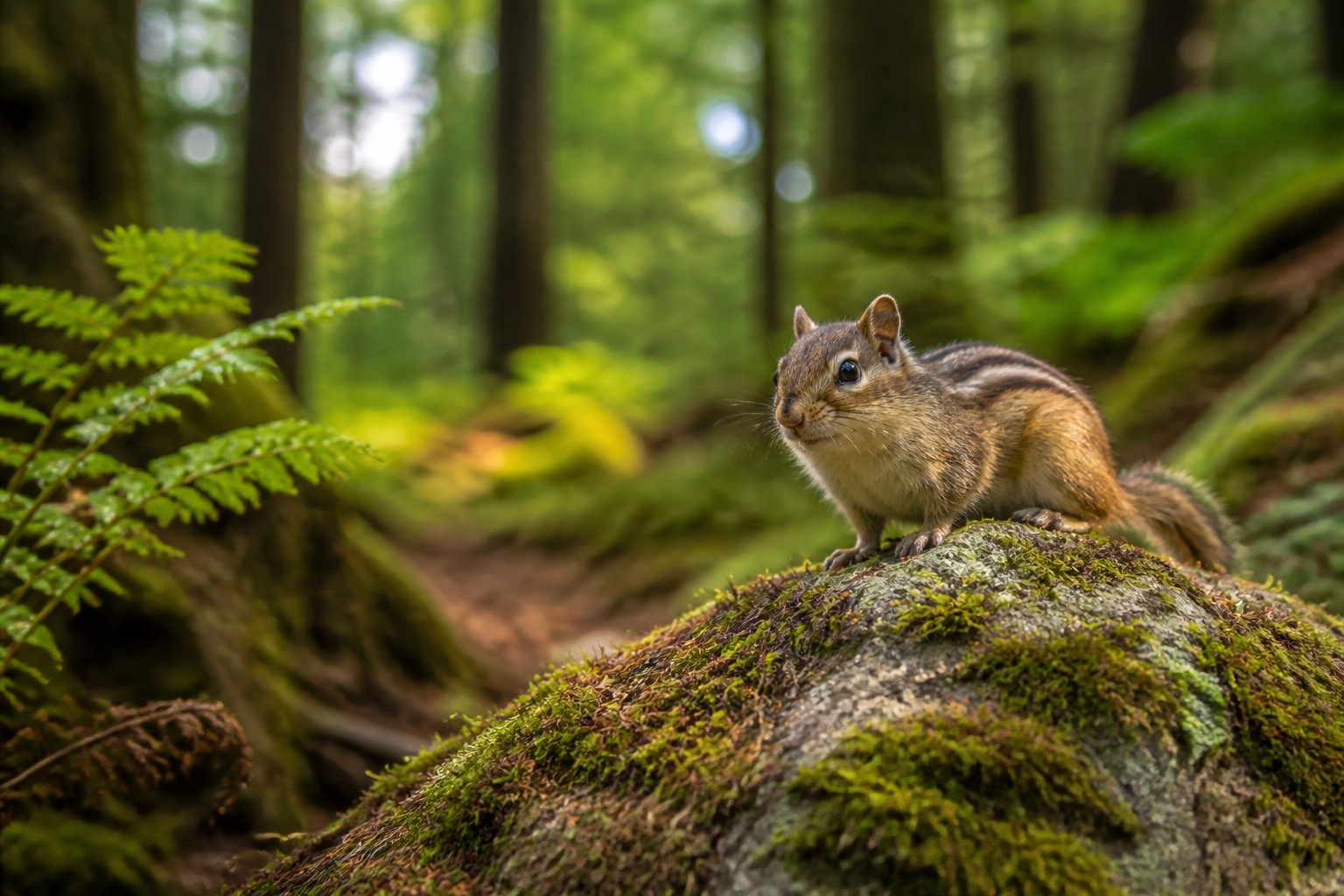
You may spot animals that look chipmunk-like if you are hiking, driving, or exploring the edges of forested areas. If you are trying to identify a small striped rodent on Vancouver Island, compare it with the island’s native squirrels, mice, and the rare Vancouver Island marmot.
The Short Answer: Why Chipmunks Are Not Native Here
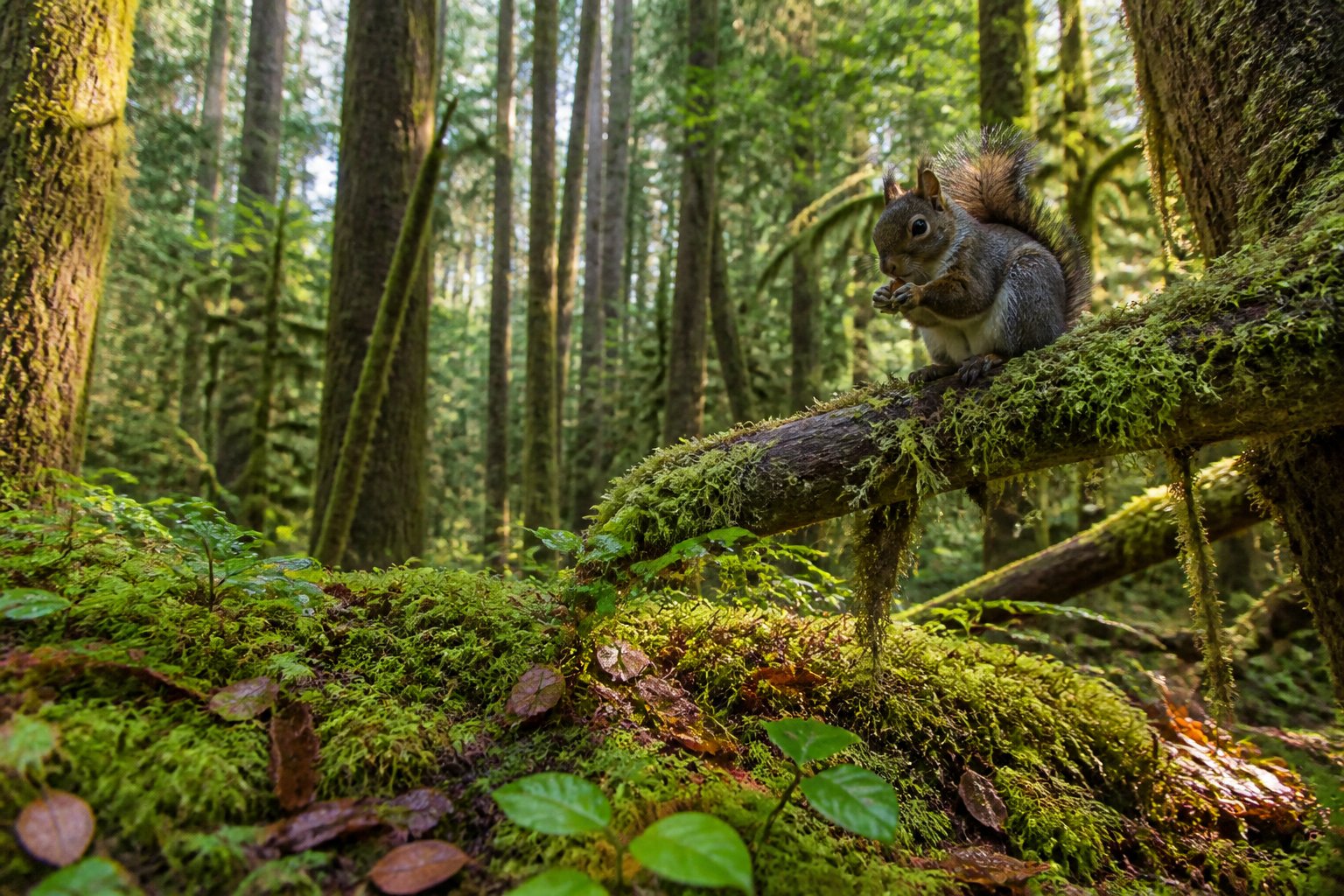
Vancouver Island does not have indigenous chipmunks, even though chipmunks live in nearby parts of British Columbia. Mainland species such as tamias minimus appear on the broader provincial mammal list, but they do not live on the island according to the list of mammals of British Columbia.
The island’s separation from the mainland shaped which mammals made it across and which did not.
What “Not Indigenous” Means On Vancouver Island
When a species is not indigenous, it did not naturally evolve or establish itself as part of the original ecosystem. On Vancouver Island, that matters because the island has a distinct set of native mammals.
Some familiar mainland animals, such as chipmunks and moose, are absent from that original mix, as noted by Wild Isle.
Why People Expect To See Chipmunks Anyway
You may expect chipmunks because they are common in many North American forests and city parks. They also resemble other small mammals at a glance, especially when you see quick movement in brush, on logs, or near trails.
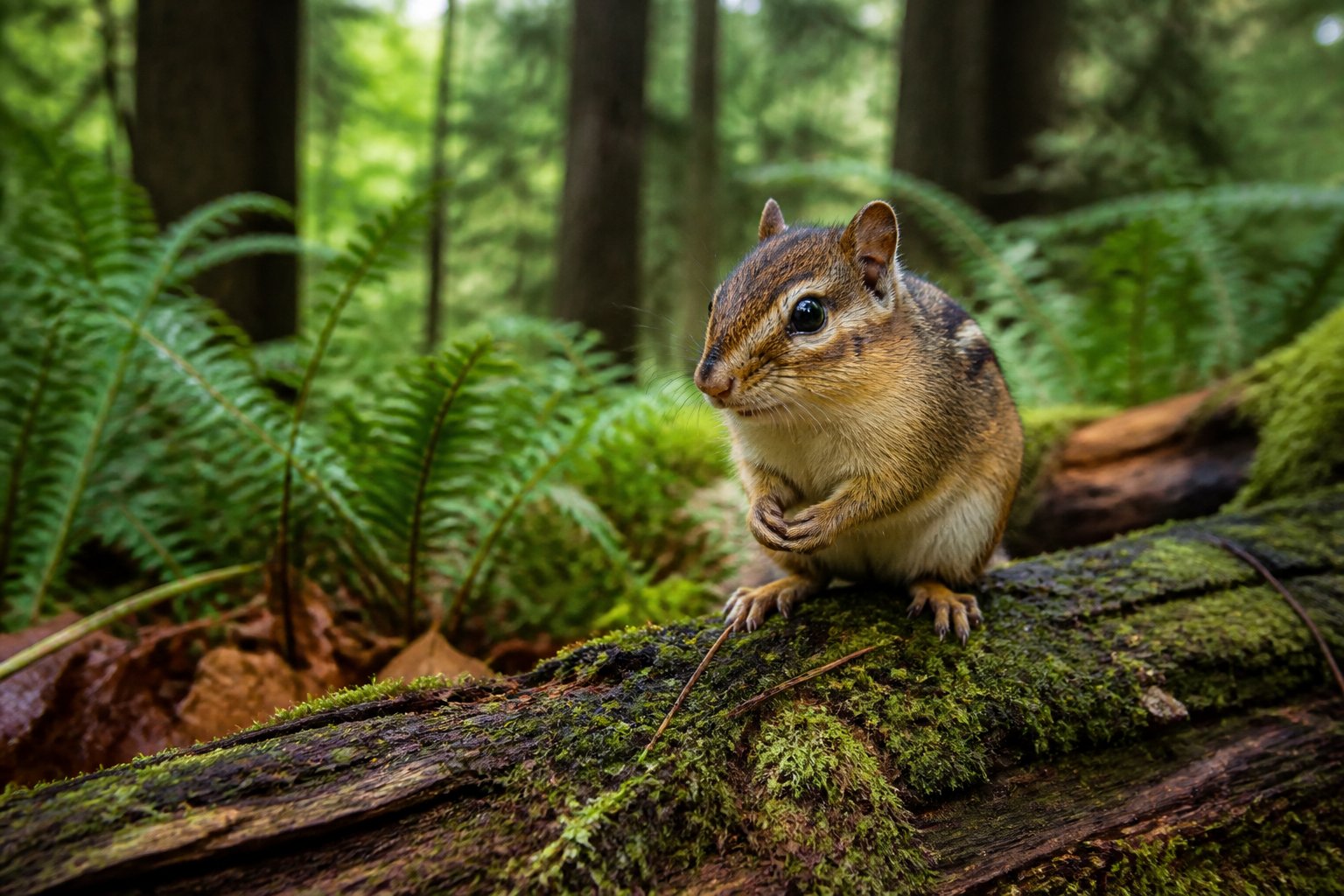
A chipmunk’s striped back and alert posture make it easy to assume you have found one, even when you have not.
What People Mistake For Chipmunks On The Island
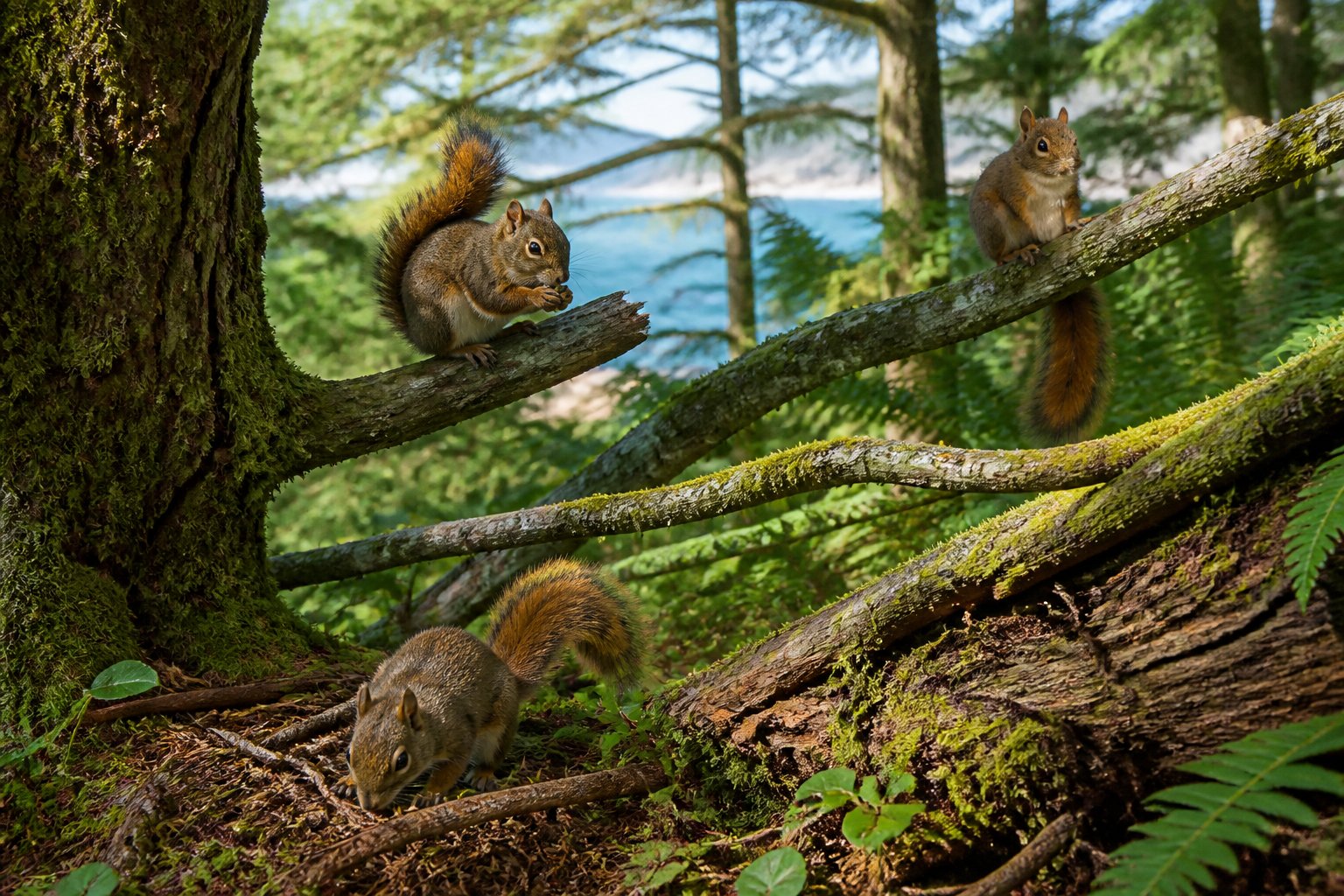
You are more likely to confuse a few common forest mammals with chipmunks than to find a true one. Small size, fast movement, and brown or reddish fur can make several local species look similar in passing.
Squirrels, Mice, And Other Small Mammals
On Vancouver Island, squirrels are the most common chipmunk lookalikes. You may also see deer mice, voles, or other small mammals darting through leaf litter.
Bats such as the little brown bat are active in entirely different ways, but quick movement at dusk can still lead to misidentification.
Raccoons, river otters, and other mammals can also catch your eye if you only see a brief flash of movement. A common raccoon or North American river otter is not chipmunk-sized in the same way, yet a partial view can fool you.
Why The Vancouver Island Marmot Is Not A Chipmunk
The Vancouver Island marmot is a native rodent, but it is much larger and more robust than a chipmunk. It is also highly distinctive and endemic to the island.
If you see one, you are looking at one of the island’s most notable wildlife species, not a striped squirrel relative.
Wildlife You Are More Likely To See Instead
You have a far better chance of spotting larger mammals, especially in forest edges, clearings, and along roads. Coastal travel can also bring encounters with marine wildlife that is far more characteristic of Vancouver Island.
Common Land Mammals In Forests And Along Roads
If you are watching roadsides or forest openings, you may see black bear, ursus americanus, cougar, puma concolor, elk, roosevelt elk, grey wolf, canis lupus, mule deer, odocoileus hemionus, wolverine, and even occasional grizzly bear or brown bear sightings in the broader region.
These animals are much more typical of the island’s wildlife than chipmunks.
Marine Mammals Along The Coast
Along the coast, you may see sea otter, north american river otter, orca, orcinus orca, humpback whale, megaptera novaeangliae, grey whale, eschrichtius robustus, pacific white-sided dolphin, steller sea lion, eumetopias jubatus, california sea lion, zalophus californianus, northern elephant seal, and harbor seal, phoca vitulina.
Those species fit the island’s coastal identity far better than a chipmunk.
Introduced And Rare Species To Know About
A few non-native mammals live on the island, so not every unusual sighting is a native species. Rare wildlife patterns can shift with habitat change, human activity, and seasonal movement.
This makes local identification worth a careful look.
European Rabbit And Other Non-Native Mammals
The european rabbit is one introduced example you may encounter near settled areas. Other non-native mammals in British Columbia show how easily species can spread when people move them, even if they do not belong to the original island ecosystem.
Rare Sightings And Changing Wildlife Patterns
You may rarely see some species, or only find them in limited parts of the province. These include grizzly bear, brown bear, wolverine, black bear, and cougar.
If you are wildlife watching, stay alert to changing patterns. Habitat shifts and local movements can affect what you notice in a given season or year.


