
When it comes to the question of aggression in dogs, many pet owners wonder if female dogs are less aggressive than their male counterparts. Research suggests that female dogs tend to show less aggression, especially when they are well-trained and socialized early on. This is good news for anyone considering adopting a female pup.

You may be curious about the reasons behind this difference in behavior. Factors like training, socialization, and even hormonal influences play a significant role in how any dog behaves.
With the right approach, you can help your female dog develop a calm and friendly demeanor, making her a wonderful companion.
As we explore this topic, you’ll discover more about the traits of female dogs and what you can do to ensure they grow up to be loving and gentle friends.
Whether you’re a new dog owner or just looking for insights, understanding these differences can help you make informed choices for your furry family member.
Understanding Dog Aggression
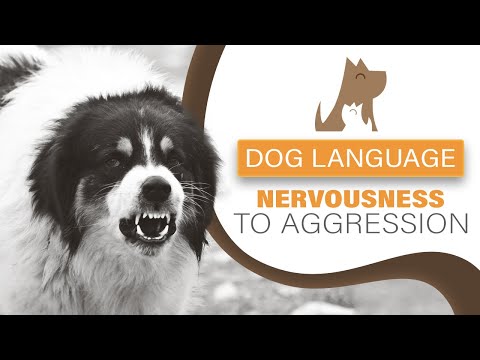
Dog aggression can be complex and is influenced by various factors. Knowing these factors can help you understand your dog’s behavior better. Here’s a closer look at the types of aggression, the role hormones play, and key behavioral factors.
Types of Aggression
Dog aggression can take different forms. Here are some common types to consider:
- Fear Aggression: Dogs may react aggressively due to fear of people or other animals.
- Territorial Aggression: Many dogs can become protective of their home and may show aggression towards strangers.
- Resource Guarding: Dogs may display aggression when they feel their food, toys, or space are threatened.
Recognizing these types helps you identify triggers for your dog’s behavior.
It’s important to observe your dog and understand their personality traits that contribute to their reactions.
Role of Hormones in Aggression
Hormones, especially testosterone, can affect aggression in dogs. Male dogs typically have higher testosterone levels, which can lead to increased aggressive tendencies, especially towards other males. However, both male and female dogs can show aggression influenced by hormonal changes.
For female dogs, hormonal cycles can also play a role. For example, aggression might increase during heat or pregnancy due to fluctuating hormone levels.
Understanding this aspect can help you manage your dog’s behavior during these times.
Behavioral Factors in Canine Aggression
Various behavioral factors contribute to aggression in dogs. Socialization is vital; dogs that weren’t exposed to different environments, people, or other animals may develop aggressive tendencies.
Training and behavioral methods can also play a significant role. Positive reinforcement techniques can help in modifying aggressive behavior.
Additionally, understanding your dog’s specific personality traits allows you to tailor your training approach.
Addressing these factors can reduce aggression and promote better behavior. Always consider professional guidance if you notice persistent aggression in your dog.
Male and Female Dogs: Behavioral Differences

When considering the behavioral differences between male and female dogs, it’s essential to look at both genetic and social influences as well as dominance and territorial tendencies. These factors shape how your dog interacts with people and other animals.
Genetic and Social Influences
The genetics of your dog can play a vital role in behavior. Female dogs often have a reputation for being less aggressive, but this varies by breed and individual personality.
Genetics can push some breeds to be more nurturing or timid, while others might be more assertive.
Socialization also impacts behavior. A well-socialized female dog might show less aggression than a male dog who hasn’t been exposed to many new situations.
Early experiences teach dogs how to react to challenges. Proper training and positive interactions with people and other pets can help both male and female dogs develop into well-adjusted companions.
Dominance and Territorial Tendencies
Male dogs typically exhibit more territorial behavior than females. They may show aggression to protect their space, especially if unneutered. This trait is rooted in genetics and can be influenced by your role as the owner.
Female dogs can display dominance as well, particularly in specific situations like resource guarding. Understanding dominance can help you manage aggression better.
Socialization and training are key to minimizing dominant behavior in both sexes. Training techniques that promote cooperation can lead to a more peaceful interaction among pets and family members.
The Impact of Neutering and Spaying

Neutering and spaying can affect a dog’s behavior and aggression levels. These procedures involve removing reproductive organs. Neutering is for male dogs, while spaying is for females.
Many people wonder if these surgeries reduce aggression.
Spaying may decrease certain aggressive behaviors in female dogs, especially during their heat cycle. On the other hand, unneutered male dogs often show more aggressive tendencies.
When female dogs go into estrus, they may act differently. They might attract many male dogs, which can lead to unwanted behaviors, such as increased aggression. Spaying can help manage these changes.
There are some concerns with female dogs that are not spayed. They are at risk for conditions like pyometra, an infection in the uterus. This is a serious condition that can lead to aggressive behavior and health issues.
Neutering male dogs is linked to lower aggression levels. Research shows fewer incidents of fighting and roaming when males are neutered. This can lead to a calmer environment for both pets and owners.
Raising Dogs: The Early Years

Starting off on the right paw is key for your puppy. The early years in a dog’s life shape their behavior and personality. Focus on socialization and proper training to help your dog become a well-adjusted adult.
Importance of Early Socialization
Socialization is all about getting your puppy used to different people, places, and other animals. The social interactions your female or male puppy has during their early months can greatly affect their behavior later in life.
Aim to expose your puppy to a variety of situations and experiences, which can reduce the chances of aggression in dogs.
A well-socialized dog is typically more confident and less fearful. This confidence can lessen aggressive tendencies that may stem from fear or insecurity.
Begin socialization as early as possible to help your puppy develop a positive attitude towards new experiences.
Remember, each breed may have different social needs, so tailor your approach based on your dog’s characteristics.
Training and Environmental Influence
Training during puppyhood is crucial. It helps your dog understand what’s expected of them. This foundation can prevent many behavior issues, including aggression.
Create a positive environment for your puppy. Use rewards for good behavior to encourage potty training and other commands.
Keep in mind that living conditions, such as a busy household or a quiet environment, can influence your puppy’s development. Always monitor interactions with other pets and adjust the training as needed.
This way, you ensure that your dog feels secure and supported as they grow.


