
Boxers are known for their playful and energetic nature, but they also have strong protective instincts. Due to their loyalty and willingness to defend their families, they can be excellent protection dogs. With proper training and socialization, a Boxer will not only engage in fun activities with you but will also stand guard when it matters most.

These dogs are naturally alert and have a strong bond with their owners. Their intelligence makes them quick learners, which is essential for effective protection training. You can feel secure knowing that your Boxer will be vigilant in keeping an eye on your home and loved ones.
While Boxers are protective, they also maintain a friendly demeanor. Their playful side can bring joy to your household while ensuring that they remain steadfast guardians. Owning a Boxer means you get the best of both worlds: a loyal companion and a watchful protector.
Characteristics of Boxer Dogs as Protectors

Boxer dogs have unique traits that make them excellent protectors. Their natural protective instincts, combined with their muscular build and alertness, enable them to serve effectively in guarding roles. Understanding these characteristics helps you see why Boxers are often chosen as guard dogs.
Temperament and Protective Instinct
Boxers are known for their loyalty and courage. They form strong bonds with their families, making them devoted companions. Their protective instincts are evident in their behavior; they have a natural tendency to safeguard their loved ones.
These dogs are also quite intelligent and can be trained to respond to commands swiftly. This intelligence allows them to assess threats and react appropriately. They are fearless, which gives them the confidence to confront intruders. With consistent training, their protective instincts can be honed, making them even more effective as guard dogs.
Physical Attributes Contributing to Protection
The physical strength of Boxers contributes significantly to their protective capabilities. Their muscular build provides the power needed to deter threats. With a strong jaw, they can effectively handle situations that may require physical defense.
Boxers also possess a keen sense of hearing, making them alert to any unusual noises. This alertness allows them to signal you about potential dangers early. Their energetic nature means they can be highly active and responsive, ensuring they remain vigilant around the clock. These physical and mental traits make Boxers not only excellent protectors but also loyal companions.
Training and Socialization
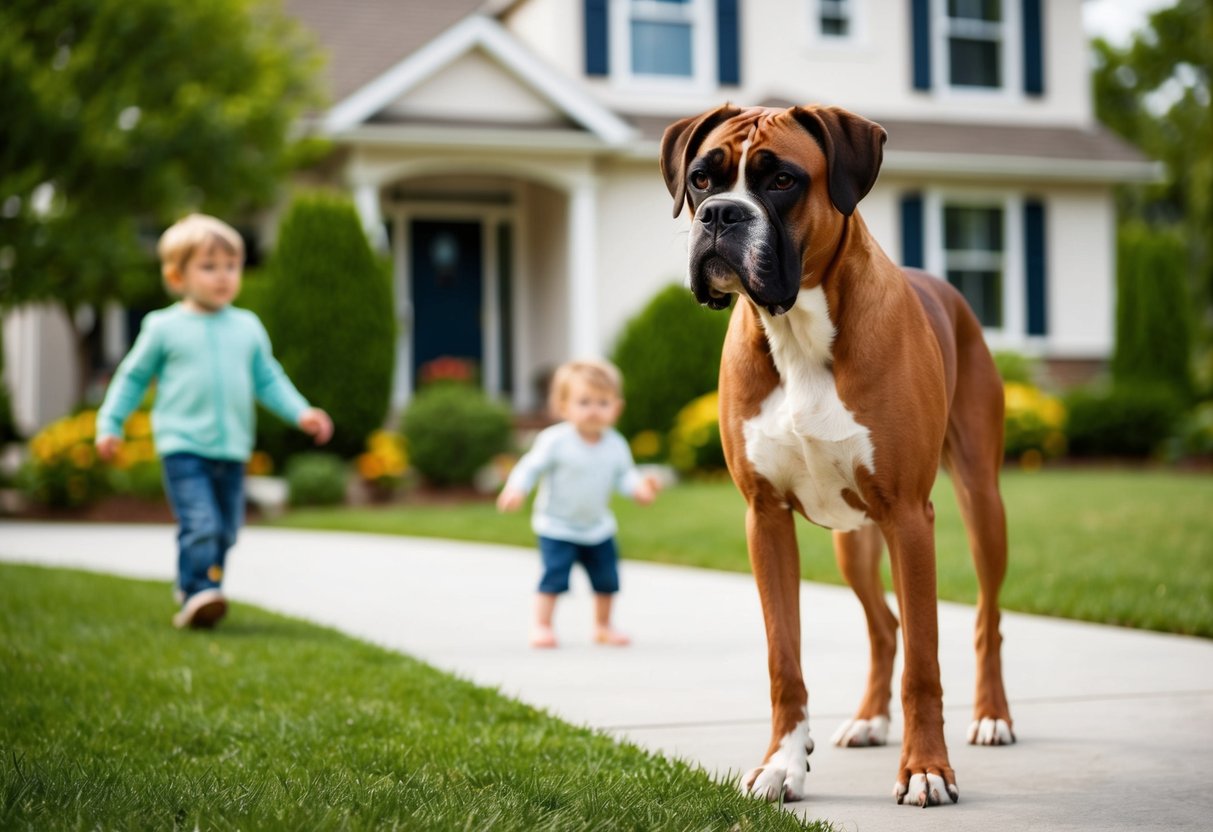
Training and socialization are critical for ensuring your Boxer becomes an effective guard dog. Focused obedience training combined with proper socialization will enhance their natural protective instincts while keeping them well-behaved.
Obedience Training Essentials
Obedience training is the foundation for any well-behaved dog, especially for Boxers. Start with basic commands like sit, stay, and come. Use positive reinforcement techniques, such as treats or praise, to encourage them when they follow commands.
Regular training sessions should be short and fun, lasting around 10-15 minutes each. This helps maintain your dog’s interest.
Incorporate mental stimulation through puzzle toys and fun games like fetch. This not only keeps them engaged but also reinforces their training.
The Role of Socialization in Guard Dog Behavior
Socialization is just as important as obedience training. Expose your Boxer to various people, pets, and situations early on. This helps them recognize what is normal and what may be a real threat.
Take your Boxer on walks to different places, allowing them to meet new people and experience different environments. By doing this, you help temper their protective instincts. A well-socialized Boxer can confidently differentiate between friendly visitors and potential intruders.
Specialized Guard Dog Training
For those looking to train their Boxer specifically for guard duties, specialized training is key. This training should build upon foundational obedience and socialization.
Introduce commands that enhance their guarding skills, such as alerting to suspicious behaviors. Consistency is crucial in this stage.
Use positive reinforcement to reward them for securing the area or reacting appropriately to a situation. Keep training sessions focused and goal-oriented, making sure to maintain their enthusiasm. A Boxer well-versed in specialized guard training can become a formidable protector for you and your home.
Boxers in the Family Environment

Boxers are known for their affectionate nature and loyalty, making them wonderful family pets. Their playful spirit and protective instincts also contribute to their reputation as reliable companions in any household.
Interaction with Children and Other Pets
Boxers are generally great with children. Their playful demeanor means they love engaging in fun activities. They often enjoy games like fetch and will happily run around with your kids, creating bonds filled with laughter.
It’s important to supervise interactions, especially when Boxers are young, as their energy can be overwhelming. They are known to be trustworthy around your little ones, but it’s wise to teach your children how to interact gently with dogs.
When it comes to other pets, Boxers can be social and friendly. Early socialization helps them learn how to behave with other dogs and animals, ensuring a harmonious home environment.
Exercise and Play for a Balanced Lifestyle
Boxers have a high energy level, so regular exercise is crucial for their happiness. Daily walks and playtime keep them physically fit and mentally stimulated. These activities prevent boredom and reduce the likelihood of behavioral issues.
Playing fetch is a favorite activity among Boxers. It’s a simple yet effective way to provide them with the exercise they need. You can also include various toys to keep playtime exciting.
Involving your Boxer in family activities helps strengthen your bond. Whether it’s running in the yard or participating in family outings, they thrive on interaction. Consistent exercise keeps them happy and well-balanced, making sure they remain the best family pet you could ask for.
Health and Care Considerations for Boxer Dogs

Taking care of your Boxer involves addressing their unique health needs. This includes understanding their nutritional requirements, grooming practices, and potential health concerns that may arise. Proper care will help ensure your Boxer stays happy and healthy.
Nutritional Needs for Optimal Health
Your Boxer’s diet is essential for maintaining their energy and overall health. A balanced diet for Boxers should include high-quality proteins, healthy fats, and a mix of carbohydrates. Look for dog foods that list meat as the first ingredient.
Recommended Nutrients:
- Protein: Boxers need around 20-30% protein to support muscle health.
- Fat: Look for foods with about 8-15% fat to help maintain a healthy weight.
- Fiber: Ensure there are fibers for digestive health.
Maintaining your Boxer’s weight is important. Regularly check their body condition and adjust their food portions as necessary to avoid obesity. Always consult with your vet to tailor nutrition to your Boxer’s specific needs.
Grooming and Physical Exercise
Boxers have short hair, making grooming relatively easy. Regular brushing helps remove loose hair and keeps their coat shiny. Aim to brush your Boxer at least once a week.
Grooming Tips:
- Bathing: Bathe your Boxer every month or as needed.
- Nails: Trim their nails every few weeks to prevent discomfort.
- Ears and Teeth: Check their ears regularly and brush their teeth a few times a week.
Physical exercise is crucial for Boxers as they are high-energy dogs. They require at least 60 minutes of exercise daily. Activities can include walks, playtime, and obedience training. Regular exercise not only keeps them fit but also mentally stimulated.
Common Health Concerns of Boxers
Boxers are generally healthy but are prone to certain health issues. Being aware of these can help you take preventive measures.
Key Health Issues:
- Cancer: Boxers have a higher risk of cancer, so you should schedule regular vet check-ups.
- Hip Dysplasia: This genetic issue can affect mobility, so make sure to monitor your dog’s activity level.
- Heart Disease: Keep an eye on their breathing and energy levels as they age.
Consult with your vet about any signs of health changes. Regular health checks are vital to catch any concerns early. By staying informed, you can better care for your Boxer and enhance their quality of life.


