
Owls hoot for a few important reasons that help them survive and communicate. Mostly, owls hoot to mark their territory and warn other owls to stay away. They really need to protect their space, especially when it’s breeding season and there’s a nest to defend.
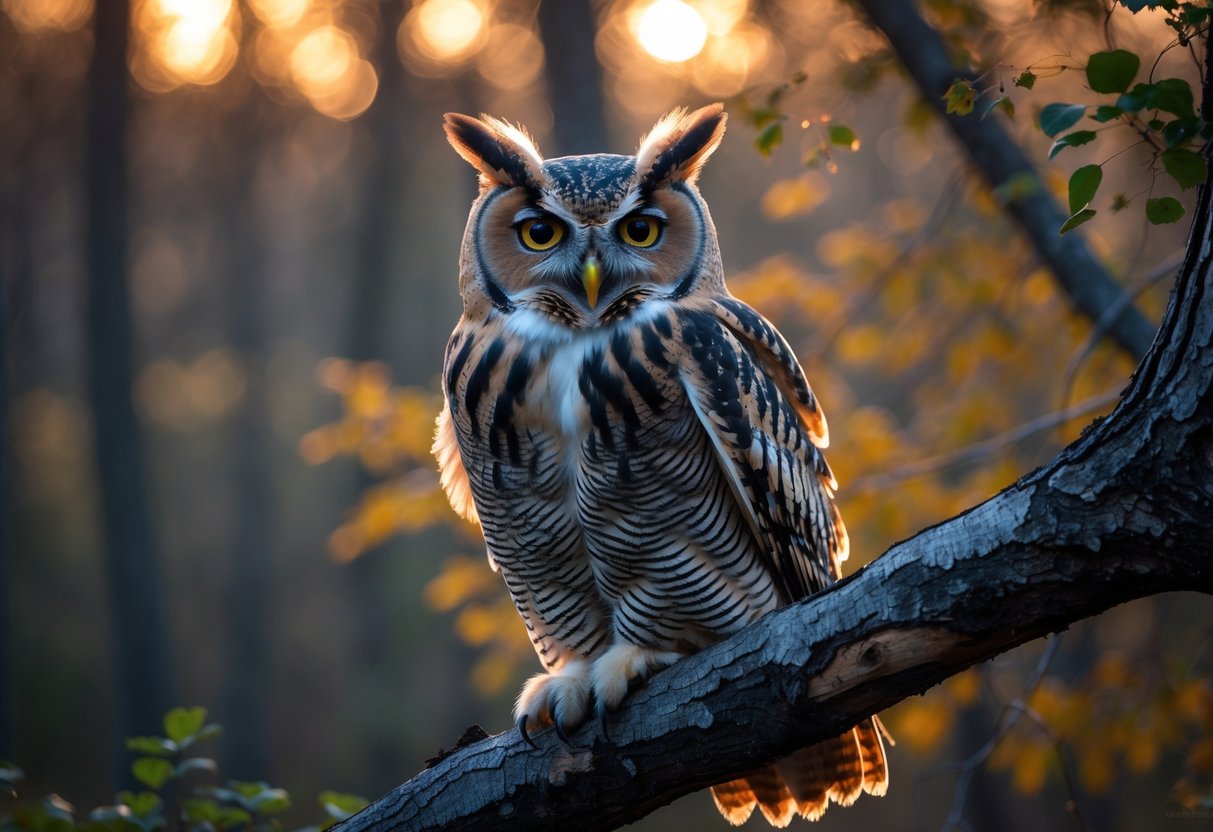
You might also hear owls hooting when they’re looking for a mate. Male owls often call out to attract females, and sometimes you’ll catch a pair hooting together—it’s kind of sweet, honestly, and helps them stay close. Owls use different sounds to share messages about food or warn each other about danger.
So, the next time you hear an owl’s hoot in the dark, remember it’s not just a creepy sound in the woods. It’s how owls talk about life, love, and keeping safe. If you want to dig deeper into what their hoots mean, check out why owls hoot and their calls.
Why Do Owls Hoot?

Owls hoot for a few big reasons that help them live and thrive. Their hoots play a big role in daily life—from chatting with other owls to guarding their turf or finding a partner.
Communication and Social Behavior
When an owl hoots, it’s usually talking to others nearby. Owls use these sounds to share info and keep in touch, especially with family or mates.
You might hear owls calling back and forth, almost like a conversation at night. Young owls use hoots and other noises to let parents know they need food or care.
Some owls act pretty social and use calls to keep their group together, even after the chicks leave the nest. If you listen closely, you can sometimes tell if owls are just chatting or warning each other about something.
Territorial Purposes
Owls hoot to mark their territory. If you hear an owl hooting nearby, it’s probably warning other owls to stay away.
This helps them avoid fights and makes sure each bird gets enough space and food. Male owls usually hoot loudest to set the boundaries of their area.
If a rival owl comes too close, the hoots get more aggressive—sometimes you’ll even hear hisses or snapping sounds mixed in. Territorial hooting ramps up in fall and winter as breeding season gets closer.
Their calls travel far at night, making it easy to let neighbors know about boundaries.
Mating and Courtship Calls
Owls hoot to attract mates, too. If you hear a steady, rhythmic hoot, it’s probably a male showing off his health and good nesting spot.
Both males and females often hoot back and forth during courtship. This back-and-forth helps them build a strong bond, which matters because many owls stay together for life.
Courtship hooting usually starts in late fall or winter. These calls help owls find and pick mates before nesting starts in early spring.
It’s all part of the owl’s way of saying, “This is my place, and I’m ready to start a family.” For more about owls hooting for courtship or territory, check out this article on owl hooting behavior.
Types of Owl Hoots and Notable Species
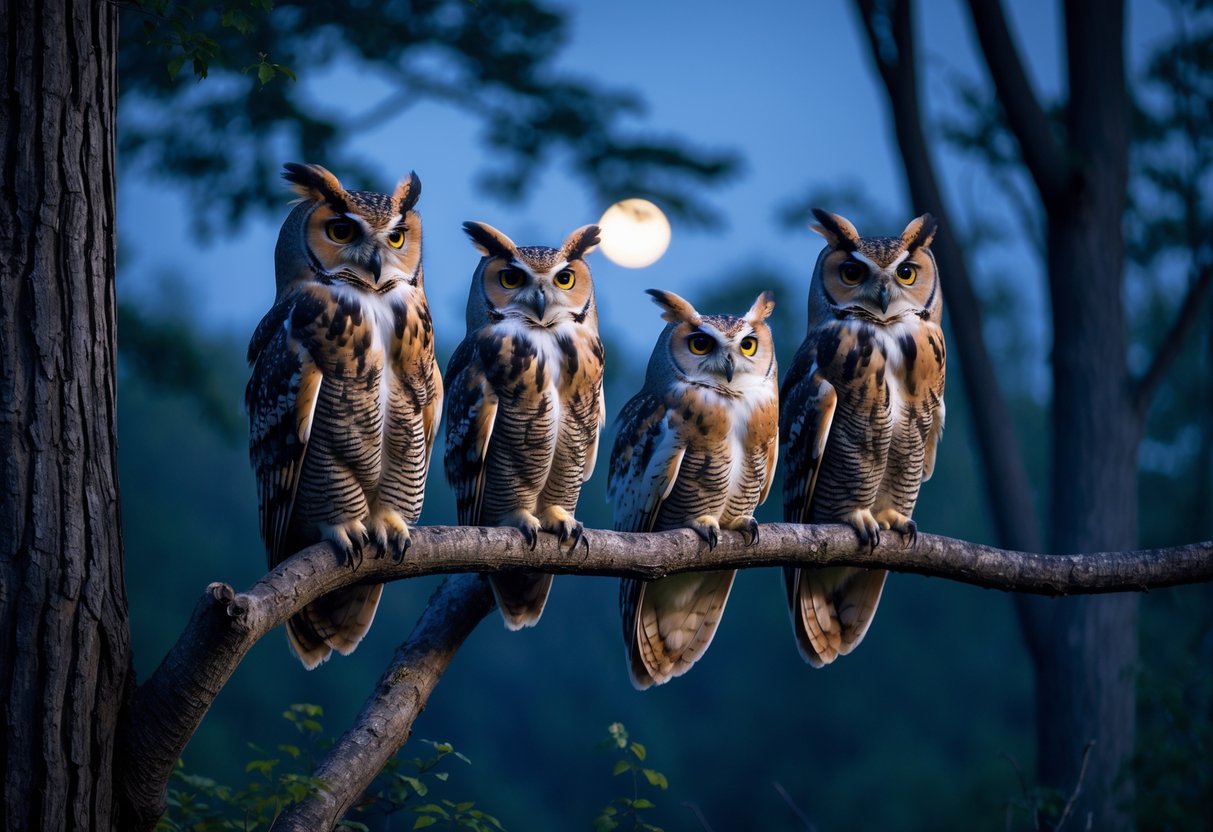
Owls use all sorts of hooting sounds for different reasons. These sounds can mean they’re protecting their home, searching for a mate, or just talking to family.
The way owls hoot changes based on species, time of year, and even whether it’s a male or female hooting.
Hooting Patterns in Great Horned Owls
Great Horned Owls have a deep, rhythmic hoot that’s hard to mistake. Their call usually sounds like “hoo-hoo, hoo hoo” with a steady beat.
This hoot marks their territory, letting other owls know the spot’s taken. You’ll usually hear these hoots at night, but sometimes Great Horned Owls hoot during the day, especially in colder months.
These owls are pretty tough—they hunt in daylight when food is scarce. Their hoots carry far, so they’re great for long-distance messages.
Honestly, their hoots are so classic that movies use them all the time to set a nighttime mood.
Difference Between Male and Female Hoots
If you listen closely, you’ll notice males and females sound a bit different. Male owls usually have a deeper and stronger hoot, which shows off their strength and health to attract a mate.
Female owls tend to hoot shorter or higher-pitched. In some species, like the Barred Owl, these differences help them recognize each other during courtship.
You’ll often hear male and female owls calling back and forth in a kind of duet. This keeps their bond strong and helps pairs stay together for life.
Hooting Behavior Throughout the Year
Owls change the way they hoot as the year moves along. In fall and winter, you’ll probably notice more hooting because owls search for mates and claim territories.
They really need to find good nesting spots, and there aren’t many to go around. During breeding season, males ramp up their hooting to impress females or chase off rivals.
Once chicks hatch in the spring, the sounds shift. Parents and their young start making different calls to talk to each other.
In summer, the woods tend to get quieter. Owlets are busy growing, so parents don’t have to defend territory as much.
When fall rolls around again, the hoots pick up in volume and frequency. The whole pattern just keeps looping.
If you’re curious about owl calls or want to know more about species like the Great Horned Owl, check out Bird Watcher’s General Store.


