
Ever wondered if owls are predators? The answer’s pretty clear: yes, owls hunt other animals for food. They rely on sharp talons, keen hearing, and powerful eyesight to catch things like mice, birds, and even small reptiles.
Owls help keep nature in balance by controlling the populations of these animals.
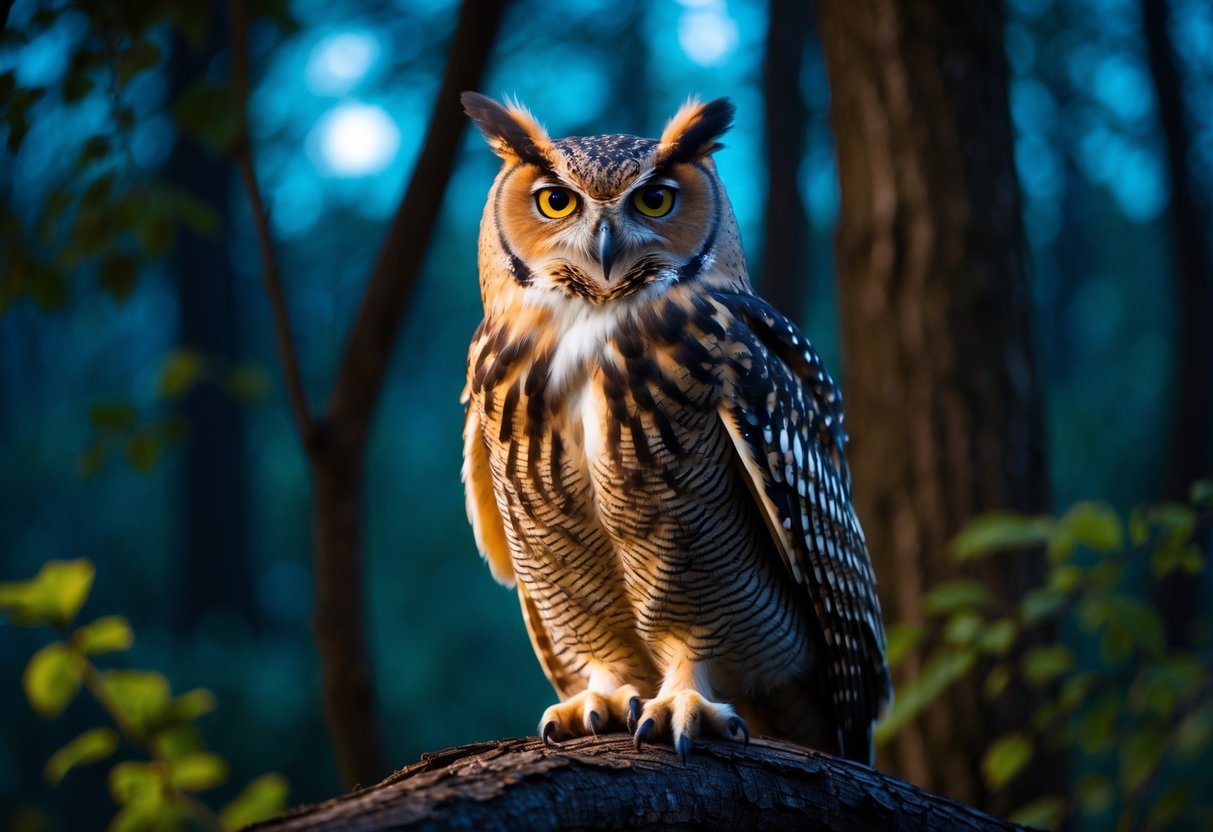
Most people picture owls as quiet creatures of the night, but honestly, they’re some of the top hunters out there. Their silent flight and ability to spot prey in darkness make them almost unstoppable.
If you dig into how owls hunt, you’ll probably find yourself more fascinated by these birds and the role they play in the wild.
Are Owls a Predator? Understanding Their Role in Nature

Owls hunt with a set of special traits that really set them apart. They keep their environments balanced by preying on other animals.
Different owl species, like the Barn Owl, have their own hunting styles and favorite foods, which shows just how well owls fit the role of predator.
Defining Predatory Behavior in Owls
Owls hunt, catch, and eat other animals, so you can definitely call them predators. Their sharp talons and strong, curved beaks make it easier for them to kill and eat prey.
Most owls do their hunting at night. They rely on excellent hearing and eyesight to find prey in the dark.
Owls hunt close to the ground or in trees, sneaking up on prey with quiet flight. Some owls even hover or run along the ground to grab a meal.
All in all, owls stalk, catch, and eat living animals—classic predator behavior, right?
What Do Owls Hunt?
Depending on where you live, your local owl probably hunts small animals like mice and voles. For many owls, rodents make up a big part of their diet.
They also eat insects, frogs, snakes, fish, birds, and sometimes rabbits. It really depends on the owl’s size and where it lives.
Barn Owls, for example, go after rodents. They fly low over fields, listening and watching for movement.
Some owls stick to insects. Flammulated Owls, for instance, eat mostly moths and beetles.
Great Horned Owls sometimes hunt skunks, which is pretty wild—most other predators avoid them.
Key Examples: Barn Owl and Other Species
Barn Owls are classic predators that rely mostly on small mammals. Their heart-shaped faces funnel sound to their ears, which helps them find prey in the dark.
Great Horned Owls take on bigger prey and mix up their hunting styles. They might pounce from the ground or fly silently through forests.
Every owl species finds its niche by hunting animals common in its habitat. This keeps prey populations under control and helps nature stay balanced.
If you’re curious, check out the Owl Research Institute for more about how owls hunt and fit in as predators.
Hunting Adaptations and Survival Strategies

Owls have a whole toolkit that makes them great hunters. Their special skills, sharp senses, and place in the food chain all help them survive.
Specialized Hunting Skills
Owls use strong legs and sharp talons to grab and kill prey fast. They even have a flexible talon, kind of like a thumb, so they can hold on tight.
Barn owls, for example, have long legs and toes for grabbing animals hiding in grass or shrubs.
They also rely on silent flight to sneak up on prey. Their wings have soft, fringed feathers that muffle sound, so you barely hear them coming.
This silent approach works well for hunting small animals, whether it’s mice or snakes.
Nocturnal Abilities and Sensory Advantages
Owls are built for hunting at night. Their large eyes let them see well even in low light.
Since their eyes don’t move much, they turn their heads up to 270 degrees to spot prey all around them.
Their hearing is even more impressive. Facial discs on their heads act like sound catchers, channeling noise right to their ears.
Barn owls have ears set at different heights, which helps them pinpoint exactly where a sound comes from—even if it’s under snow or leaves.
Owls as Both Predator and Prey
Owls hunt a lot of small animals, but honestly, they don’t always sit at the top of the food chain.
Sometimes, bigger predators go after owls. Still, owls rely on their sharp talons and amazing senses to fight back.
It might surprise you, but some owls actually hunt other birds of prey. Their strength and skill help them survive in a world that’s honestly pretty dangerous.
If you’re curious about how owls hunt, check out this detailed explanation of their adaptations.


