
Have your honeybees started acting aggressive all of a sudden? They’re probably feeling threatened or stressed out. Bee aggression usually shows up as a defensive move—they want to protect their hive, especially if something’s bothering the queen or their supplies.
Sometimes, changes in the environment like a nectar shortage or disturbances near the hive can trigger this shift in behavior.
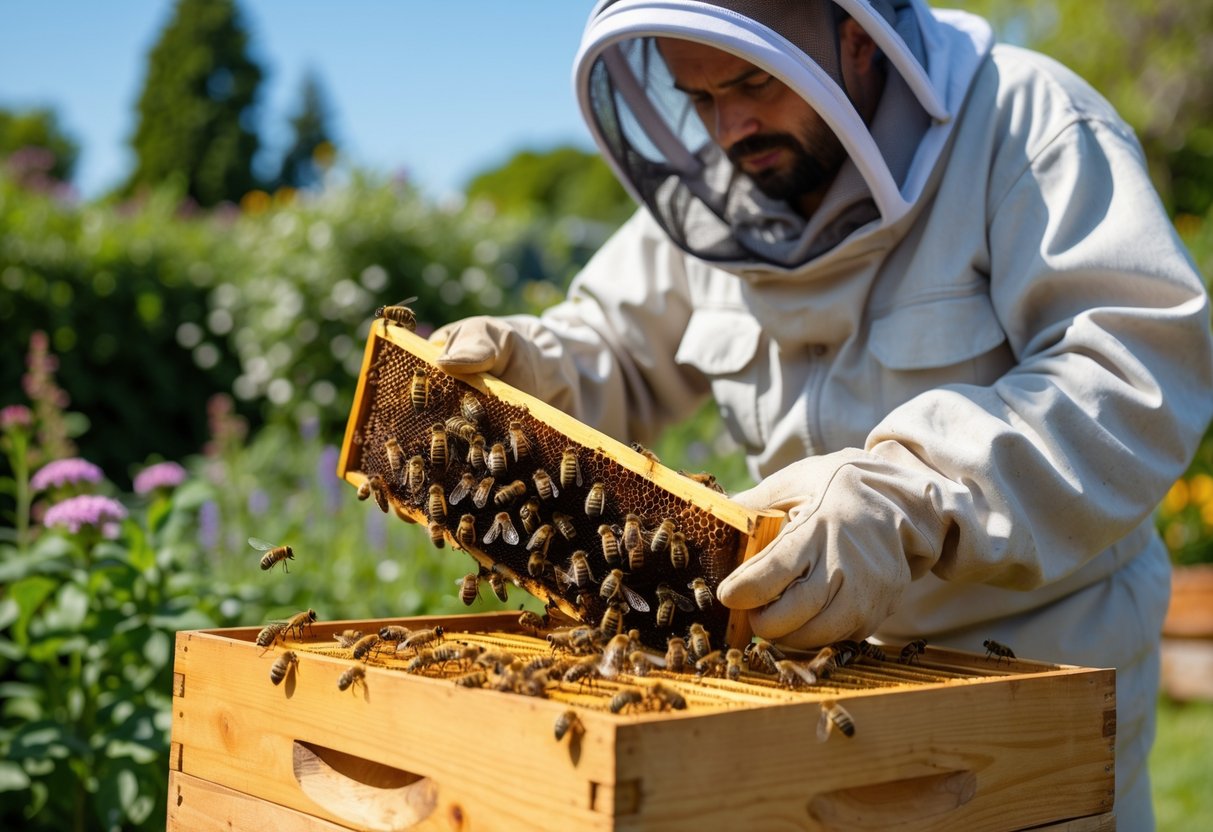
You might spot your bees getting hostile if there’s trouble inside the hive, like sickness or queen issues. Theft attempts by other insects or animals can also make your bees more alert and ready to defend.
When you understand these triggers, it gets easier to manage your bees safely and with less stress.
If you want to dig deeper into what causes aggressive bees, take a look at this helpful guide on bee behavior and triggers.
Key Reasons Bees Become Suddenly Aggressive

Bees act aggressive for a handful of main reasons. Usually, they’re protecting their home, reacting to danger, struggling with bad weather, or dealing with illness and pests.
Knowing what sets off aggressive bee behavior helps you stay safe and keep your hive calmer.
Colony Defense and Protective Instincts
Your bees get aggressive mostly to defend their colony. If they sense a threat nearby—maybe an animal, a person, or even a loud noise—they’ll spring into action fast.
Honey bees will sting to stop threats from stealing honey or harming the queen and brood (the baby bees).
Food shortages make bees even more defensive. They really guard what little they have.
You might notice your bees acting extra edgy during late summer and fall. That’s when they’re prepping for winter and guarding their stores tightly.
Any disturbance during this time can set them off.
Alarm Pheromones and Bee Communication
When a bee stings, she releases alarm pheromones—chemical signals that warn the rest of the hive to get ready for a fight.
These pheromones spread fast and trigger a chain reaction. Once a couple of bees get the signal, more will join in, and aggression ramps up quickly.
Bees use other pheromones too, but alarm pheromones are the main reason aggression can spike so suddenly.
So, when you disturb your hive, you’re not just dealing with one angry bee. The whole colony could get riled up.
Environmental Stressors and Weather Changes
Bees don’t handle sudden changes in their environment very well. Extreme heat, heavy rain, or strong winds make it tough for them to gather nectar and pollen.
When food sources dry up, your bees get more protective of their honey. That can make them act aggressive to keep what little they have.
Stress from bad weather or food shortages disrupts their routine. This often makes them irritable and quick to defend.
You might see more stinging during droughts or after a sudden cold snap. Bees feel threatened by these conditions.
Disease, Pests, and Varroa Mite Infestation
Health problems inside the hive can flip bee behavior fast. Varroa mites, for example, are nasty pests that feed on bees and weaken them.
A hive with a varroa mite infestation gets stressed out. Stressed bees turn irritable and aggressive as they try to fight back.
Diseases and pests lower colony health, so bees guard their home more fiercely to protect the queen and the brood.
Doing regular checks for mites and disease helps you avoid sudden aggressive outbursts linked to these problems.
For more details on aggressive bees and their risks, check out this Understanding Aggressive Bees and Their Risks.
Other Triggers and How to Reduce Aggressive Bee Behavior
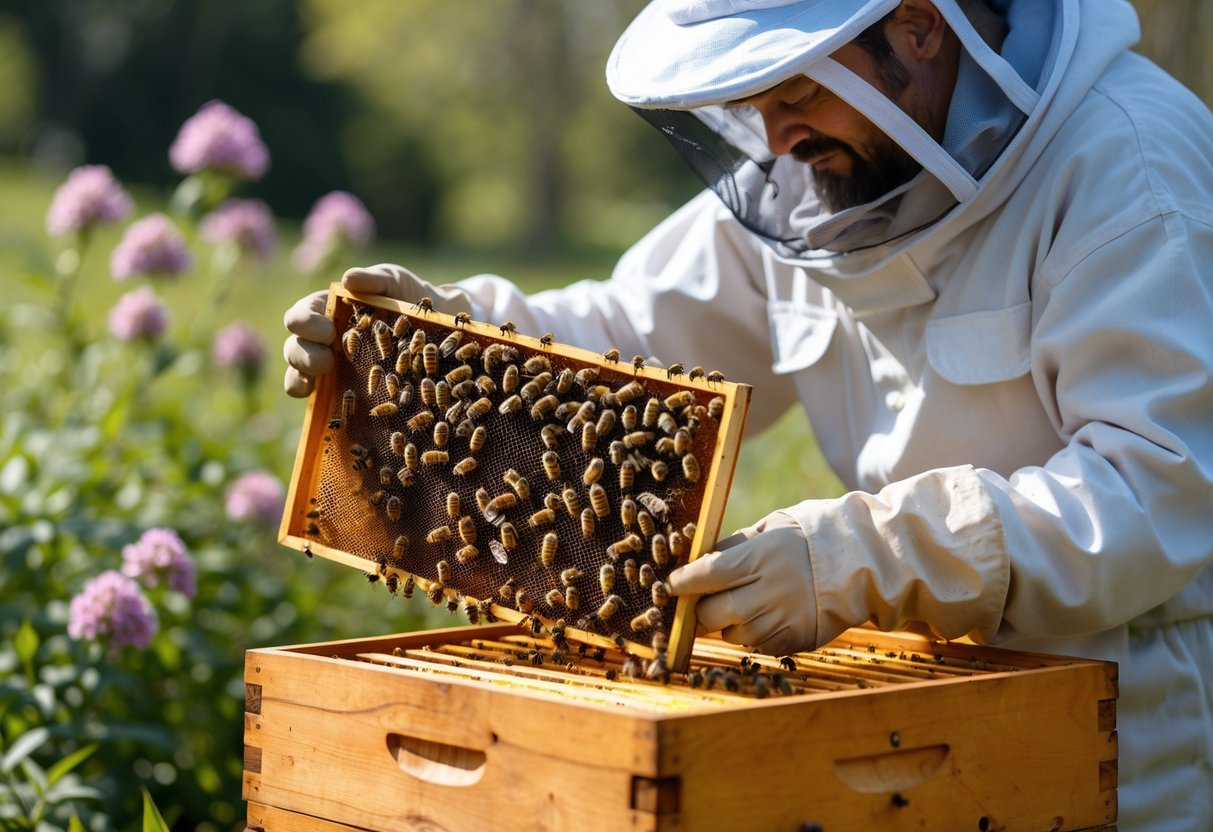
Certain triggers around your hive can make bee aggression spike. Fights over food, disturbances from people, your own beekeeping habits, and the health of the environment all play a part.
When you know these details, it gets easier to keep your bees calm.
Resource Competition and Robbing Behavior
If nectar-rich flowers are scarce, your bees may start competing more. Sometimes, they’ll even rob other hives and try to steal honey.
Robbing puts your colony on high alert. Defensive behavior shoots up.
You can help by making sure there’s enough pollen and nectar nearby. Plant bee-friendly flowers that bloom at different times.
Don’t put your hives too close together—crowding just makes competition worse. If you hear noisy bees and see fights at hive entrances, robbing might be happening.
Human Activities and Hive Disturbance
What you do around your bees matters. Loud noises, vibrations, or rough handling can stress them out.
Even things like nearby crop rotation and pesticide use can upset their behavior.
Try to skip loud tools and sudden movements near your hive. Use integrated pest management (IPM) or biological controls to limit pesticide impact.
If you keep things quiet and steady, you’ll cut down on stings and keep bee activity calmer.
Beekeeping Practices and Colony Management
How you manage your bees affects their mood, no doubt. Poor management—like overcrowding or skipping pest checks—can stress your bees and make them aggressive.
Pest control should be gentle and careful.
Stick to regular inspections and avoid harsh chemicals. Bee-friendly practices help keep soil and pollinators healthy.
Try not to open the hive too much, especially on really hot or windy days. That just stirs them up and makes defensive behavior more likely.
Supporting Bee Health with a Bee-Friendly Environment
Your bees do best when you keep their environment clean and healthy. If they don’t get enough nutrients, they might act more aggressive than usual.
Try offering a mix of pollen sources. Set up bee hotels or safe spots for nesting—honestly, it’s a small effort that really helps with bee conservation.
Grow lots of different plants and skip chemicals that could hurt pollinators. When your soil stays healthy, your plants grow stronger and give bees better food.


