
So, you’ve noticed bees buzzing around your house. First things first: try not to panic or wave your arms.
Figure out if they’re just passing by or if they’ve really settled in and started a hive somewhere nearby. That way, you’ll know whether you need to do something or just let them move along.

Bees love flowers, sweet smells, and cozy little nooks. Sometimes they’re just checking things out, maybe looking for a new home.
You might spot a hive in a wall, chimney, or tucked away in a hidden spot. Figuring out where they are and what type of bee you’re dealing with matters—it’ll help you decide what to do next.
If you spot a nest or a swarm, try reaching out to a local beekeeper, or use gentle, natural ways to encourage the bees to move on. Quick, careful steps keep you safe and let bees keep doing their important work.
Immediate Actions To Take When Bees Are Around Your House
When bees show up near your place, just stay calm and move with care.
It helps to know what kind of bee you’re dealing with, how to handle a swarm, and what to do if bees wander inside.
Identifying Different Types Of Bees Near Your Home
Bees aren’t all the same. Honeybees usually swarm in spring or summer, searching for a new place to live.
They’re smaller, social, and generally not aggressive unless you bother them. Bumblebees look bigger and fuzzier, but honestly, they mostly keep to themselves.
Carpenter bees can look a lot like bumblebees, but you’ll notice their shiny backs. They can drill into wood, which could mean trouble for your house.
Spotting the difference helps you figure out your next steps. For example, honeybee swarms often move on by themselves, but carpenter bees might stick around and need special attention.
What To Do If You Encounter A Bee Swarm
If you see a bee swarm, bring people and pets inside right away. Don’t try to swat or chase the bees—they really don’t like that.
If you upset them, they’ll release a scent that calls more bees to defend the group.
Just stay back and watch from a safe distance. Most swarms won’t sting unless you mess with them.
If the swarm hangs out for a while or starts building a nest, it’s time to call a beekeeper or pest pro to help out. Keep windows and doors closed near the swarm.
How To Respond If Bees Enter Your Living Space
If bees get inside, don’t freak out—just keep your movements slow. Cover your face with your hands or a towel to protect your eyes and mouth.
Head for an exit and leave the room.
Don’t use spray or try to swat at bees indoors, since that could actually attract more bees and make things worse.
Once you’re outside, check if anyone got stung and treat with ice or an over-the-counter remedy if needed. If you think there’s a hive in your walls or attic, you’ll probably need a professional to remove it.
For more tips on staying safe with bees, check out what to do when bees are around your house.
Safe And Humane Ways To Remove And Prevent Bees

When bees hang around your home, you’ll want to handle things gently and avoid harming them.
You can call in pros for removal, try some simple tricks to keep bees away, and check for hidden hives. These steps look out for both you and the bees.
Calling Professional Bee Removal And Beekeepers
If you find a hive, your best bet is to call a professional bee removal service or a local beekeeper. They know how to get honeybees or carpenter bees out safely.
They use special gear to catch and move the whole colony without hurting the bees.
Beekeepers usually take the rescued bees to their own yards, so the bees can keep pollinating and making honey.
The pros also make sure your house doesn’t get damaged during the process. This is especially helpful if the hive’s hidden in walls or hard-to-reach places.
Steps To Deter Bees And Prevent Nesting
You can make your home less tempting to bees before they settle in. Start by sealing up cracks and gaps around windows, doors, and the eaves.
Carpenter bees love sheltered spots, so blocking those entry points is key.
Don’t leave sweet foods or drinks outside—honeybees can’t resist them.
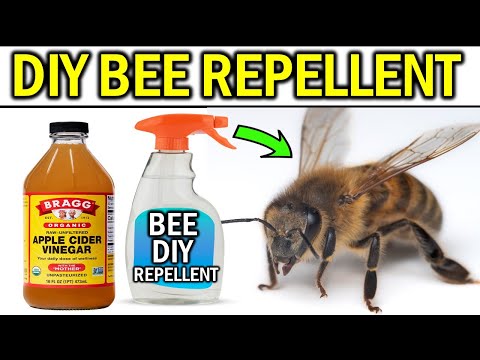
Some people plant strong-smelling herbs like mint, which naturally keeps bees at bay. You can also try bee-friendly repellents that won’t harm them but help keep them away.
Inspecting For And Eliminating Hive Sites
Take a look around roof edges, sheds, and wall cavities for any signs of bee hives. Do you hear buzzing or notice more bees than usual hanging out in those areas? Carpenter bees tend to leave behind small, round holes in wood, so keep an eye out for those too.
If you spot a hive, don’t try to mess with it yourself. Bees can get aggressive if they feel threatened. Just jot down where the hive is and how big it looks, then reach out to a professional. They know how to remove hives without harming your home or the bees, which honestly feels like a win-win.
Want more advice on safe bee removal? Check out humanely remove bees from homes.


