
Knowing what kind of bug bit you really helps you treat the bite the right way and decide if you need medical care.
You can often figure out what bit you by checking the size, shape, and color of the bite, how quickly it showed up, and whether it itches or hurts.
Paying attention to these details makes it a lot easier to guess which insect caused the problem.

Different bug bites show certain features that make them stand out.
Some bites swell up fast, while others just itch with barely any swelling.
If you can identify your bite, you might avoid getting bitten again and know when to watch for infection or allergic reaction.
Ever stared at a mark and wondered what bug left it behind? Same here.
This guide will help you spot the differences.
You’ll find simple ways to recognize bites from common insects and what to do next.
If you want more help, you can check out pictures and expert tips on identifying bug bites.
How To Identify Different Types Of Bites

Knowing what kind of bug bit you helps you treat the bite properly.
Each bite looks a bit different and has its own symptoms.
Some bites itch, some hurt, and a few swell up.
If you recognize the signs, you can stay safer from infections or allergic reactions.
Common Visual Clues To Identify Bites
Check the size, shape, and color to figure out what bit you.
Mosquito bites are puffy, red, and super itchy.
Flea bites usually show up as small, red dots around your ankles and often come in groups.
Spider bites might have two tiny puncture marks.
Some bites, like chigger bites, cause a rash.
If you spot a central blister or a dark scab, that might mean something more serious, like a brown recluse bite.
Count how many bites you have and notice where they are.
The pattern and area can help you narrow down which insect did it.
Tick Bites And Related Illnesses
Tick bites don’t usually hurt but leave a small red spot.
Check to see if a tick is still attached.
Sometimes you’ll see a bulls-eye rash—a clear ring around a red spot—which can signal Lyme disease and needs treatment.
Ticks spread infections, so remove them carefully with tweezers.
If you get a fever, headache, or muscle aches after a tick bite, go see a doctor as soon as possible.
Mosquito Bites And Symptoms
Mosquito bites cause round, puffy bumps that itch like crazy.
They usually pop up on exposed skin, like your arms or legs.
The bite spot gets red and swollen but usually fades in a few days.
Sometimes mosquitoes carry viruses that cause fever or rash.
If you feel sick after a bite, talk to a healthcare provider.
Spider Bites: Including Brown Recluse And Black Widow
Brown recluse bites start as small, painless red spots.
They can turn into painful ulcers with a dark center, and often cause fever and chills.
Black widow bites cause sharp pain, muscle cramps, and sweating.
You’ll need medical care for both of these.
Early symptoms might seem mild, but things can get worse quickly.
Watch for spreading redness or weakness near the bite.
Flea Bites, Bedbug Bites, And Lice Bites
Flea bites show up as tiny red dots, usually on your ankles or lower legs, and often in groups.
They itch a lot and can become swollen.
Bedbug bites also show up in lines or clusters on exposed skin, like your arms or face.
They leave itchy red bumps that sometimes blister.
Lice bites cause small red marks around your scalp, neck, or pubic area.
You might notice itching and even see lice eggs (nits) stuck to your hair.
Chigger Bites And Fly Bites
Chigger bites look like small red spots with a bright red center.
They often show up around waistbands, ankles, or skin folds.
Chigger bites itch badly and sometimes form blisters.
Fly bites can be all sorts of sizes, but you’ll usually get a red, raised bump that hurts or itches.
Some flies bite to feed on blood, which causes pain and swelling.
Fire Ant Stings, Bee Stings, And Wasp Stings
Fire ant stings burn and leave red bumps that turn into white, blister-like spots.
Bee and wasp stings cause sharp pain, redness, and swelling right where you got stung.
Wasps can sting you more than once, but bees only get one shot.
Allergic reactions might include swelling that spreads, trouble breathing, or dizziness.
If that happens, get emergency help right away.
Scabies And Scorpion Stings
Scabies causes intense itching and a rash with tiny blisters or bumps, usually between your fingers or on your wrists.
It spreads through close contact and needs special treatment.
Scorpion stings cause sharp pain, numbness, or tingling around the sting.
Some stings lead to muscle twitching or trouble breathing.
If your symptoms are bad, don’t wait—get medical help fast.
Kissing Bug Bites And Ant Bites
Kissing bug bites usually show up near your face, especially your lips.
They look like itchy red bumps and can swell up.
These bugs can carry Chagas disease, so watch for fever or swelling later on.
Ant bites cause red, swollen spots.
Some, like fire ants, give painful stings with blisters.
Regular ant bites usually hurt less but can still itch and swell.
When To Seek Medical Attention For Bug Bites
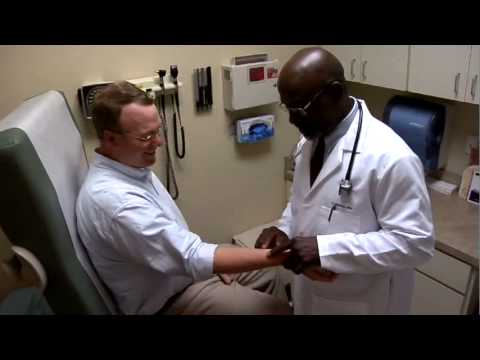
Some bug bites seem harmless but can cause real trouble.
It’s important to spot serious allergic reactions, infections, or tick-borne illnesses early.
Knowing when to get medical help can keep you out of bigger trouble.
Recognizing Allergic Reactions And Anaphylaxis
If your bug bite causes hives, swelling of your face or throat, trouble breathing, or dizziness, you might be having a severe allergic reaction called anaphylaxis.
You need immediate medical attention.
Use an epinephrine auto-injector if you have one and call 911.
Other signs include nausea, vomiting, and feeling really weak.
Don’t wait for symptoms to get worse.
You can treat milder allergic reactions like itching and swelling at home, but if symptoms spread or get worse fast, get care right away.
Signs Of Skin Infection And Serious Illness
Watch for more redness, warmth, swelling, pain, or pus near the bite.
These could mean a skin infection that might need antibiotics.
Other warning signs include fever, chills, or red streaks spreading from the bite.
These mean you should see a doctor now.
If you notice blisters, open sores, or your bite area turning dark or numb, get medical help.
Those signs could point to a serious reaction or infection.
Monitoring For Tick-Borne Illnesses
Tick bites deserve close attention. They can spread diseases like Lyme disease, Rocky Mountain spotted fever, or tularemia.
Watch out for a bullseye rash or any rash that keeps spreading. If you notice flu-like symptoms—fever, chills, headache, muscle aches, or just feeling wiped out—after a tick bite, it’s time to see a doctor.
Doctors can treat these illnesses early with antibiotics. Let your doctor know about any recent tick bites so they can figure out the best care for you.
Need more details? Here’s a helpful link on when to see a doctor for bug bites.


