
If you’ve ever wondered where bats go during the day inside your home, you’re not alone. Many people find themselves asking this question, especially if they hear strange sounds or see one flying around.
Bats typically seek shelter in dark, quiet places, like attics, crawl spaces, or chimneys, where they can rest undisturbed during daylight hours.

Understanding where bats like to hide can help you locate them more easily. They often roost in areas that provide both cover and warmth, allowing them to sleep during the day and become active at night.
Knowing these hiding spots is useful, whether you’re trying to keep bats out or understand their habits.
If you ever find a bat in your home, it’s helpful to know that they will usually stay in one place during the day. By identifying their potential hiding spots, you can take the right steps to encourage them to leave or to safely remove them.
Understanding Bat Behavior

Bats are fascinating creatures with unique habits. Learning their behaviors can help you understand where they might hide during the day. Two main aspects to explore are their nocturnal patterns and roosting habits.
Nocturnal Patterns
Bats are nocturnal, which means they are active at night. During the day, they seek out dark, secluded places to rest.
They often emerge at dusk to hunt for insects, using their remarkable echolocation skills. This ability allows them to navigate and locate prey even in pitch darkness.
As night falls, you might hear chirping or see bats flying around lights where insects swarm. They play a crucial role in the ecosystem by controlling pest populations. Knowing this can help you spot them more easily in your area.
Roosting Habits
During the day, bats prefer to roost in quiet, hidden spots. Common hiding places include attics, roof spaces, and wall cavities in homes. They look for crevices or dark areas that provide protection from predators and sunlight.
Bats can squeeze into very tight spaces. They often group together and may leave signs such as droppings or dark smears on walls. If you’ve seen bats around your home, it’s likely they have found a cozy roost nearby. By identifying these places, you can better understand where they might be hiding.
Common Bat Hideouts in Your Home

Bats often seek out specific locations in your house for shelter during the day. Understanding these common hideouts can help you locate them more easily if needed.
Exploring Attics and Wall Voids
Your attic is a prime spot for bats. It provides a dark, quiet environment where they can roost safely. Look for them tucked away in corners or behind insulation.
Wall voids are another common hideout. These are the spaces between your walls that bats can easily enter. If you notice unusual sounds coming from the walls, this could be a sign of bats hiding there.
Both areas are often hard to access, so it’s best to check with caution. If you spot any droppings or dark smears on walls, these could indicate bat activity.
Chimneys and Garages
Chimneys are also popular for bats seeking daytime refuge. The narrow gaps between the chimney and the wall can create a perfect hiding spot. If your chimney has not been capped, bats could easily find their way inside.
Garages frequently attract bats due to their often dark and undisturbed nature. They might nest in stored items or behind shelves, looking for warm spaces. If you suspect bats are in your garage, listen for chirping noises or check for droppings near the floor.
Keeping these areas free from clutter can help deter bats from settling in your home.
Identifying Signs of Bats
When you suspect bats might be hiding in your home, look for specific signs. Two of the most common indicators are bat droppings, also known as guano, and urine stains. Spotting these can help you confirm a bat presence and take the right steps to address it.
Bat Droppings and Guano
Bat droppings are often found near their roosting areas. Guano typically appears in small, dark pellets about the size of a raisin. These droppings may be dry or freshly deposited.
Look for:
- Color: Fresh droppings are usually dark brown or black, while older droppings may become grayish.
- Texture: If you crush them, you may notice they crumble easily.
- Location: You can find bat droppings near attic vents, eaves, or inside your home.
Because bat guano can harbor harmful pathogens, it’s important to wear gloves when cleaning any droppings you find.
Urine Stains and Odors
Urine stains can also indicate a bat presence in your home. If you notice yellowish streaks on walls or ceilings, especially near suspected roosting spots, it may be bat urine.
Key points to consider:
- Color: Fresh urine may appear clear or slightly yellow but can darken over time.
- Odor: There might be a strong, musky scent near these stains, which is distinct.
If you suspect bats, be cautious. Clean affected areas wearing protective gear and consider contacting a wildlife removal service for help.
Bat Prevention and Removal
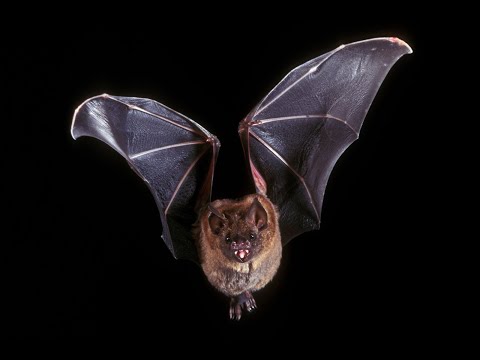
Keeping bats out of your home is essential for your safety and comfort. Knowing how to prevent them from entering and what steps to take if they do can help you manage this wildlife issue effectively.
Professional Wildlife Control
If you find bats in your house, it’s best to contact a pest control specialist or local animal control service. These professionals have the training and tools to ensure safe bat removal without harming the animals.
They can assess your home and identify entry points where bats may have accessed your space.
Additionally, these experts can provide guidance on preventing bats in the future. Common solutions include sealing cracks and gaps, installing bat houses away from your home, and ensuring that attics are properly ventilated. Allowing specialists to handle the situation also reduces your risk of exposure to illnesses, such as rabies.
Health Risks and Safety
Bats can carry diseases like rabies, which pose serious health risks to humans and pets. If a bat bites or scratches you, seek medical attention immediately for a rabies shot. Bats are nocturnal and often hide during the day, making encounters possible when you least expect it.
If you catch a bat or find one in your home, avoid touching it directly. Keep children and pets away until help arrives. If you need to catch a bat, wear gloves and use a container to minimize the risk of bites.
Always prioritize safety and consult with wildlife control for safe handling.


