
Bats are fascinating creatures that often spark curiosity. You may wonder, how do bats know to come out at night? Bats have a natural body clock that helps them wake up and become active during the nighttime hours. This internal clock, known as a circadian rhythm, tells them when it is time to leave their roosts. Typically, they leave a couple of hours after sunset.
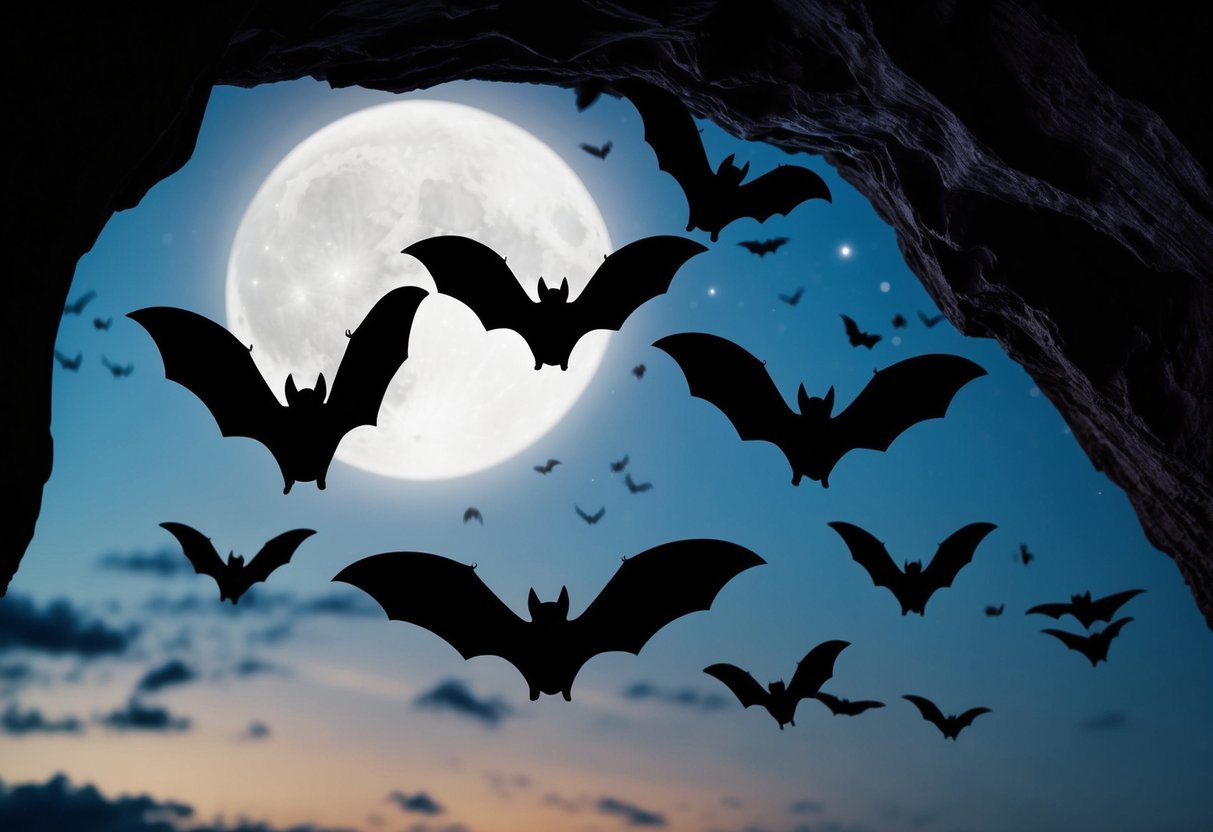
As nocturnal animals, bats have evolved to thrive in the dark. Their excellent echolocation abilities allow them to navigate and hunt for food efficiently in low light. Different species of bats may have varying routines, but they all share this amazing adaptation that keeps them safe from predators while they forage for insects and other nighttime snacks.
So, the next time you see a bat flitting about in the twilight, remember that it’s not just random behavior. It’s all part of their natural rhythm, guiding them through the night.
Understanding Bat Behavior

Bats are fascinating creatures, especially when it comes to their activities at night. Their behaviors, adaptations, and the use of echolocation make them unique among mammals. Let’s explore what makes bats such skilled nighttime navigators.
Nocturnal Activities of Bats
As nocturnal animals, bats are most active during the hours of dusk to dawn. This is when they leave their roosts to hunt for food. Most bat species are insectivores, meaning they mainly feed on insects. They play an important role in controlling insect populations, helping to keep ecosystems balanced.
Bats often spend a few hours flying and foraging. During this time, they may also socialize with fellow bats. Grooming and resting can occur after successful feeding. These social behaviors help strengthen their community bonds.
Adaptations for Nighttime Living
Bats possess several adaptations that help them thrive in the dark. Their most notable trait is their sensitive vision, which allows them to see well in low light. They also have a layer of fur that helps them stay warm during chilly nights.
Additionally, their bodies are designed for flight, with lightweight bones and long wings. This enables them to maneuver quickly through various environments. Some species even have longer wings, giving them a greater range while flying at night.
The Role of Echolocation
Echolocation is crucial for bats, allowing them to navigate and hunt in total darkness. They emit high-frequency sounds that bounce off objects, creating echoes that inform them of their surroundings. This skill helps them locate prey, such as flying insects, with incredible accuracy.
Different bat species use varying echolocation techniques, depending on their environment and hunting style. Some may produce rapid clicks, while others use longer calls. This remarkable ability ensures that bats can effectively forage for food even when it’s dark outside.
Bat Habitats and Roosting
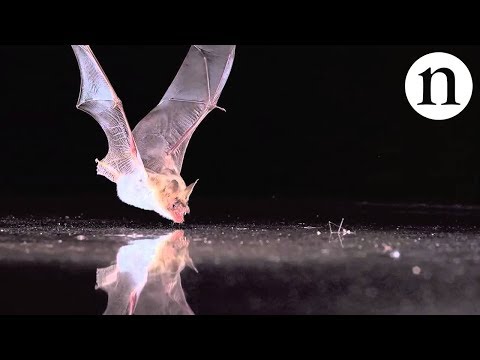
Bats are fascinating creatures that thrive in various habitats and rely on specific roosting sites. Understanding where different species make their homes helps you appreciate their essential roles in the ecosystem.
Natural Habitats of Various Bat Species
Bats live in diverse environments, including forests, deserts, and urban areas. For example, little brown bats prefer wooded habitats where they can roost in tree cavities or old buildings.
Meanwhile, Egyptian fruit bats often inhabit warm, tropical regions and are commonly found in caves and dark places. They are fruit eaters and help disperse seeds, playing a vital role in their ecosystems.
On the other hand, flying foxes prefer coastal forests where they can find plenty of fruits. Each bat species has adapted uniquely to its habitat, which affects their roosting behaviors.
Roosting Sites and Their Importance
Roosting sites are critical for bats, offering shelter from predators and harsh weather. Bats often choose places like attics, caves, and hollow trees. These spots keep them safe and provide the right temperature for roosting.
Caves are especially essential, as they offer long-term shelter and are typically dark, making them ideal for resting during the day. Depending on the species, bats often gather in groups to form maternity roosts with females coming together to raise their young.
Select roosting spots also help maintain bat populations. By preserving these areas, you can support their survival and the broader ecosystem.
Diet and Predation
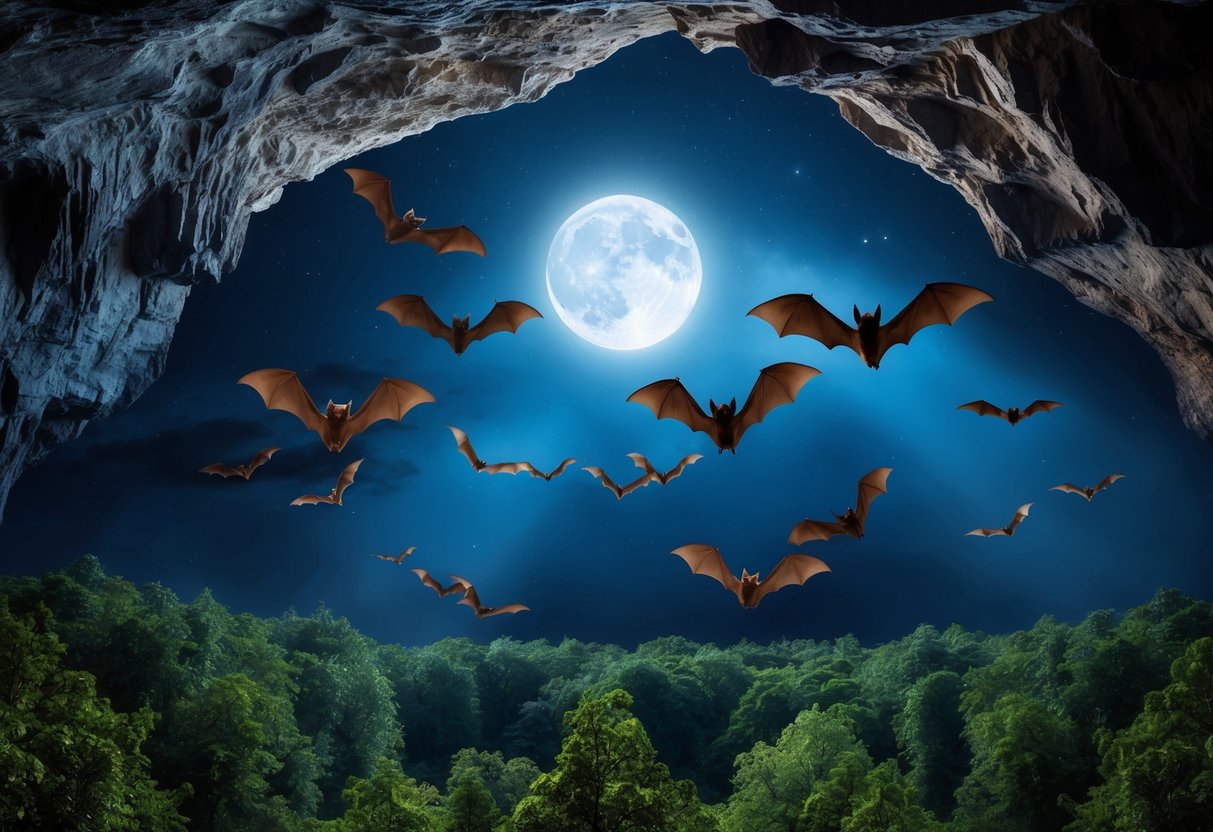
Bats have diverse diets that greatly affect their nighttime behavior. Their feeding habits help them thrive in the dark and stay safe from predators. Understanding their diet and the threats they face enhances appreciation for these creatures.
Insectivorous Bats and Their Prey
Most bats are insectivorous, meaning they primarily eat insects. Common prey includes mosquitoes, moths, and beetles. These bats rely on echolocation to locate their food in the dark.
You might find it fascinating that a single bat can eat about 600 mosquitoes in one hour! This helps control insect populations in their environment. Bats have specially adapted mouths and teeth to catch and consume insects efficiently.
Insects are often most active during twilight hours. This aligns perfectly with bats’ hunting times, making them effective predators of nighttime insects.
Fruit Bats: A Unique Dietary Niche
Fruit bats, also known as flying foxes, have a different diet compared to their insect-eating cousins. They primarily feed on fruits and nectar. Their diet plays a crucial role in seed dispersal, which promotes plant growth.
These bats have strong, curved claws to hang from branches while they eat. They are known for their keen sense of smell, helping them locate ripe fruits. By consuming fruit, they help forests regenerate by spreading seeds far and wide.
Fruit bats are more active at dusk and dawn, times when fruits are most plentiful. Their unique habits contribute to their ecosystems while allowing them to avoid some predators.
Natural Predators of Bats
While bats are skilled at evading many threats, they do face natural predators. Birds of prey like hawks hunt bats during the night. Some other predators include snakes and raccoons, which can catch bats in their roosts.
During flight, bats rely on their agility to escape attacks. They often fly in erratic patterns, making it harder for predators to catch them. Bats will roost in caves, trees, or buildings to avoid being discovered by ground predators.
Understanding these threats helps highlight the precarious balance between bats and their natural enemies. It shows the importance of protecting bat habitats to ensure their survival.
Conservation and Coexistence

Bats play a vital role in our ecosystems, but they also face numerous threats. Understanding these challenges and how to coexist with them can help protect these important creatures.
Threats to Bat Populations
Bats, like the common little brown bat (Myotis lucifugus), face many threats today. Habitat loss from urban development reduces their roosting and foraging areas. Pesticides can kill the insects they depend on for food, while climate change impacts their hibernation patterns.
Another significant threat is White-nose syndrome, a fungal disease that has drastically decreased bat populations. While raccoons and other predators can pose a risk to young bats, maintaining healthy bat colonies is crucial for biodiversity.
The Importance of Bats in Ecosystems
Bats are often called “insectivores” because they eat vast quantities of insects, including pests that can harm crops. This natural pest control helps farmers save on pesticide costs and promotes healthier environments.
Some bat species also pollinate plants and disperse seeds, which aids in plant reproduction. Without bats, many ecosystems could suffer, leading to imbalances that affect various species, including humans. Their role in maintaining the balance of nature is invaluable.
Bat Prevention and Public Health
It’s important to appreciate bats, but keeping your home safe from them is also key. Implementing bat prevention measures can help minimize risks.
You can prevent bats from roosting by sealing attic vents and openings. Also, check for signs of raccoons or other animals that may carry rabies, which can pose a health risk. If you find a bat inside your home, contact a wildlife professional to handle the situation.
Taking these simple steps can help protect both your health and local bat populations, promoting a harmonious coexistence.


