
When you see bats flying around your house at night, you might wonder what it means. Bats are nocturnal creatures, and they are often attracted to places with plenty of insects, water sources, or light. While some people view their presence as a bad omen, others believe it brings good luck.

These flying mammals are fascinating and play an essential role in nature, helping to control insect populations. So, if you notice them swooping around your home, it could simply mean they are just doing their job in the ecosystem.
Understanding the reasons behind their nighttime flights can give you peace of mind. Instead of fearing what they might symbolize, you can appreciate their presence and learn more about the benefits they bring to your environment.
Understanding Bat Behavior and Significance
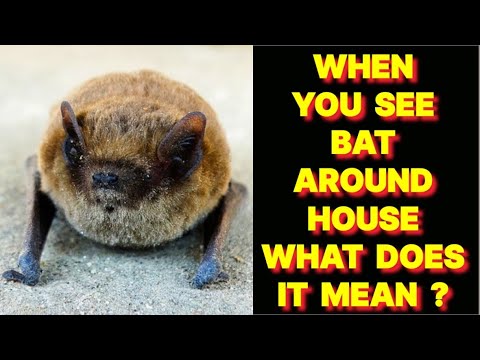
Bats possess unique behaviors and cultural meanings that can influence your perspective when they fly around your house at night. Their nocturnal habits and methods of navigation provide valuable insights into their presence. Additionally, various cultures view bats through different lenses, attributing both positive and negative meanings to their sightings.
Bats as Nocturnal Creatures
Bats are primarily nocturnal creatures, meaning they are most active after sunset. This active time allows them to hunt insects and navigate using minimal light. You might notice them flitting around as they search for food. Their roosting habits also play a significant role in their behavior. Bats often gather in colonies, roosting in trees, caves, or even buildings when they require safety.
This behavior can be interpreted in different ways. Some believe that the arrival of bats at night signifies a time of transition for you, inviting personal growth and new beginnings.
Echolocation: How Bats Navigate
Bats use echolocation to navigate their environment. It’s a fascinating process akin to sonar. They emit high-pitched sounds that bounce back after hitting objects, allowing bats to “see” their surroundings even in complete darkness.
Through this remarkable ability, bats can avoid obstacles and catch prey. If you see bats flying around your home, it may suggest that they are exploring their environment. For you, this can symbolize the need to pay attention to your surroundings. It encourages you to be aware of opportunities or changes that may be approaching in your life.
Cultural Interpretations: Omens and Beliefs
Throughout history, bats have featured prominently in various cultures, often seen as omens. In some traditions, they represent good luck, prosperity, and even rebirth. Many view them as symbols of transformation.
Conversely, in other cultures, bats can be considered bad omens. Seeing them may evoke fear and suggest impending change that might feel daunting.
Understanding these cultural interpretations can shift how you view their presence. Embracing the positive interpretations may help you feel more supportive of changes in your life, while being cautious about the potential challenges ahead.
Common Reasons for Bats near Homes

Bats might be flying around your home at night for a couple of main reasons. They are often searching for food or looking for a place to rest. Understanding these reasons helps you address the situation better.
Searching for Insects and Food Sources
Bats are nature’s little exterminators, feeding mainly on insects like mosquitoes and moths. If your home has outdoor lighting, it can attract these insects. This, in turn, draws bats to your yard for their nightly hunt.
A variety of bat species, including the little brown bat and big brown bat, thrive on insects near homes. If you notice bats fluttering around, it likely means they’re finding plenty of meals. Keeping your yard free of standing water and bright lights can help reduce insect activity, thus making your property less appealing to bats.
Suitable Roosting Locations
Bats also look for safe places to roost during the day. Your house may have perfect spots, like attics, overhanging trees, or sheds. These areas offer protection from predators and harsh weather.
Entry points are crucial since bats can squeeze through small gaps. If your home has openings, bats may see it as an ideal place to rest. Encouraging them to seek other roosting options involves sealing these entry points and creating an uninviting environment for them.
Bat Infestation and Health Concerns

If you notice bats flying around your home at night, it could be a sign of a bat infestation. Understanding how to identify an infestation and recognizing the health risks associated with bats is crucial for your safety.
Identifying a Bat Infestation
Bats often roost in dark, secluded areas of your home, such as attics and chimneys. Look for signs like grease marks around entry points, which are caused by their fur. You may also notice bat droppings (guano), which resembles small pellets or seeds.
Hearing scratching sounds or seeing bats exit your home at dusk indicates they are living nearby. If you spot a bat indoors, this is a clear sign you might have an infestation. Taking action quickly can prevent further issues and property damage.
Health Risks and Rabies
Bats can pose serious health risks. One major concern is rabies, a viral disease that affects the brain. While less than 1% of bats carry rabies, it’s still important not to handle them. Bat bites can transmit the virus, leading to severe illness.
Additionally, bat droppings can contain harmful fungi that trigger respiratory issues. Exposure to guano—especially if it gets disturbed—can release spores into the air. If you suspect a bat infestation, it’s best to avoid direct contact and consult a pest control professional for help.
The Importance of Safe Removal
If bats are in your home, it’s important to handle their removal safely. Attempting to remove them yourself can be dangerous and may expose you to health risks.
Engage a professional bat removal expert who understands the best practices for safe removal. They will also ensure that all entry points are sealed to prevent future infestations. Remember, bat removal should be conducted with care to protect both your health and the well-being of the bats. A pest control professional can guide you through the process and give you peace of mind.
Professional Bat Exclusion and Conservation

If you notice bats flying around your house at night, it’s important to understand the best ways to handle the situation. Professional bat exclusion not only removes the bats safely but also protects the surrounding ecosystem, ensuring that both you and the bats can thrive.
Why Professional Removal is Essential
When bats enter your home, it’s crucial to seek professional bat removal. Attempting to capture the bat yourself can lead to stress for both you and the animal. Staying calm is key when bats are around, as they may feel threatened.
Professional bat exclusion services properly assess your home. They will identify entry points and seal them off, preventing further access. This protects your living space while ensuring the bats can exit safely. Often, bats prefer dark spaces in attics or basements, leading to potential damage if not managed correctly.
Ignoring a colony of bats can have negative effects, such as droppings that might harm your home. Professional services know how to handle these situations effectively, ensuring a seamless removal process.
Conservation and the Role of Bats in Ecosystems
Bats play a significant role in our ecosystems. They serve as natural pest controllers. Many bat species feed on insects, helping to keep the population in check. This benefits your garden and reduces the need for chemical pesticides.
In addition to controlling pests, bats contribute to pollination and seed dispersal. Many plants rely on bats for reproduction. Therefore, safeguarding bat populations is vital.
Conservation efforts focus on protecting bat habitats, including caves and forests. Encouraging bat-friendly environments allows them to thrive while reducing human-bat conflicts. It’s crucial to balance our needs with those of these valuable creatures.
By understanding the role of bats and utilizing professional bat exclusion, you help support both your home and the environment.


