
Bats are fascinating creatures that play a crucial role in our ecosystem. They are most active at night, leaving many people curious about where they go during the day. Bats typically seek shelter in roosts like caves, old buildings, trees, and even bridges to keep safe and warm.
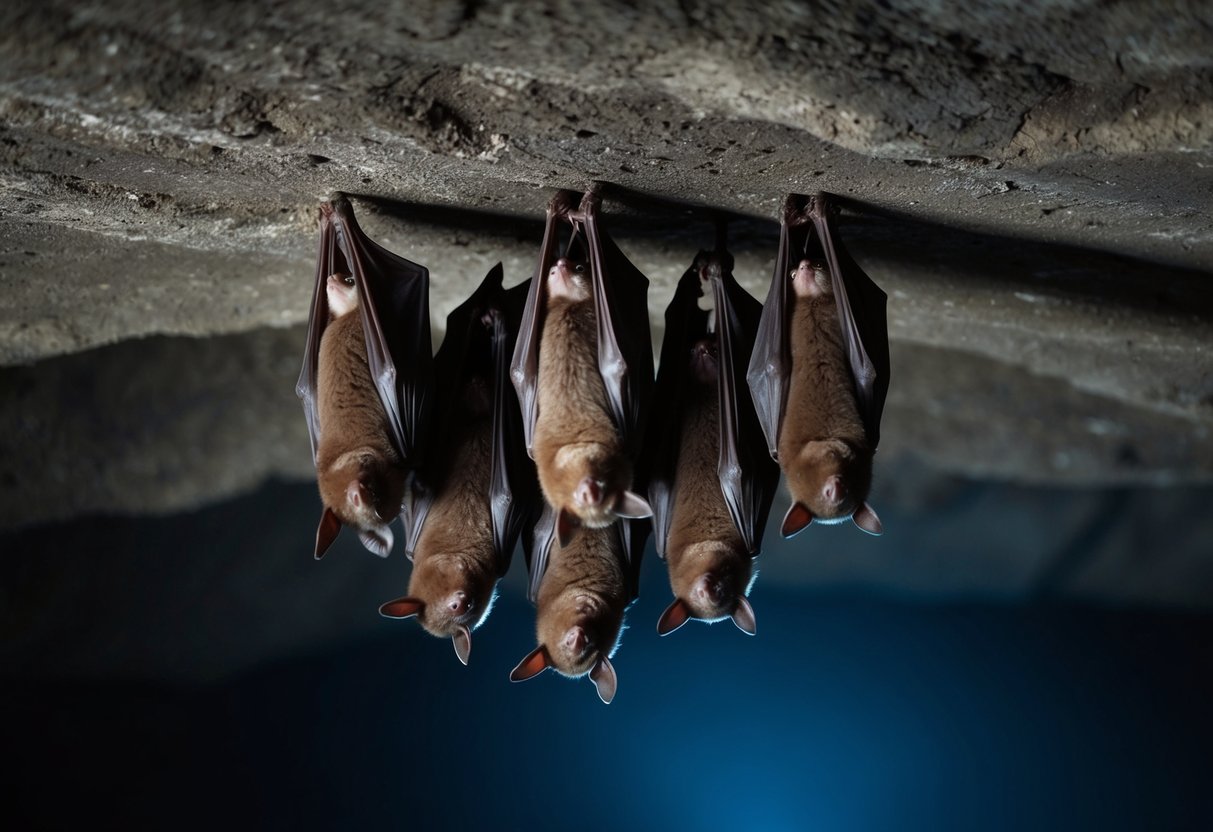
These roosts provide bats the protection they need from predators and harsh weather. Depending on the species, you might find small groups huddling together in cozy spaces or large colonies that can number in the thousands. Understanding their daytime habits can deepen your appreciation for these unique mammals.
If you’re eager to learn more about where bats live during the day and the importance of their habitats, keep reading. You’ll discover some surprising facts about their behavior and choices in roosting locations, helping you to see these creatures in a new light.
Typical Roosting Habitats for Bats
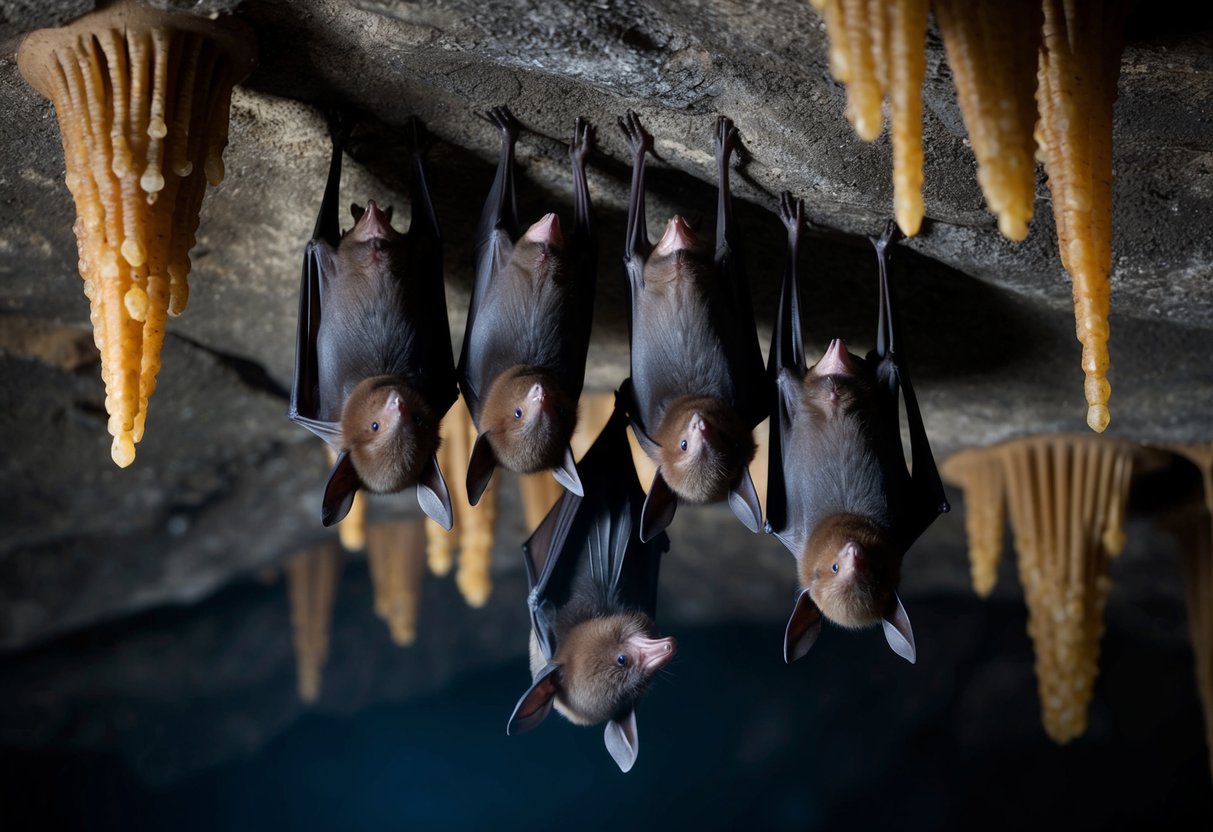
Bats are fascinating creatures that can be found in various places during the day. They seek out safe and suitable spots to rest, providing them with protection from predators and the elements. Understanding their typical roosting habitats can help you appreciate where these amazing animals thrive.
Natural Roosts
Bats often choose natural roosting sites that suit their needs. Common natural habitats include:
-
Caves: Many bat species prefer caves for their dark, humid environment. Caves offer safety from predators and stable temperatures.
-
Trees: Bats roost in hollow trees or under bark. These spots provide both shelter and warmth. Some species favor specific types of trees depending on their habitat needs.
-
Rock Crevices: In addition to trees and caves, bats will use natural rock formations for roosting. These crevices protect them from harsh weather and enemies.
Natural roosts are vital for bat survival, especially since habitat loss can threaten their populations.
Man-Made Structures
Bats have adapted well to using man-made structures for roosting. You might find bats in:
-
Buildings: Old houses and barns often harbor bats within their walls or attics. These spaces offer safety and a warm environment.
-
Abandoned Structures: Empty buildings, especially those with gaps and cavities, become popular roosting spots. The lack of human activity makes these places ideal.
-
Bridges: Many bat species also roost under bridges. The shade and protection from the elements provide a perfect resting spot.
Understanding these man-made habitats can be helpful, especially if you’re trying to protect bats or manage their populations in your area.
Adaptations and Behavior During Daylight
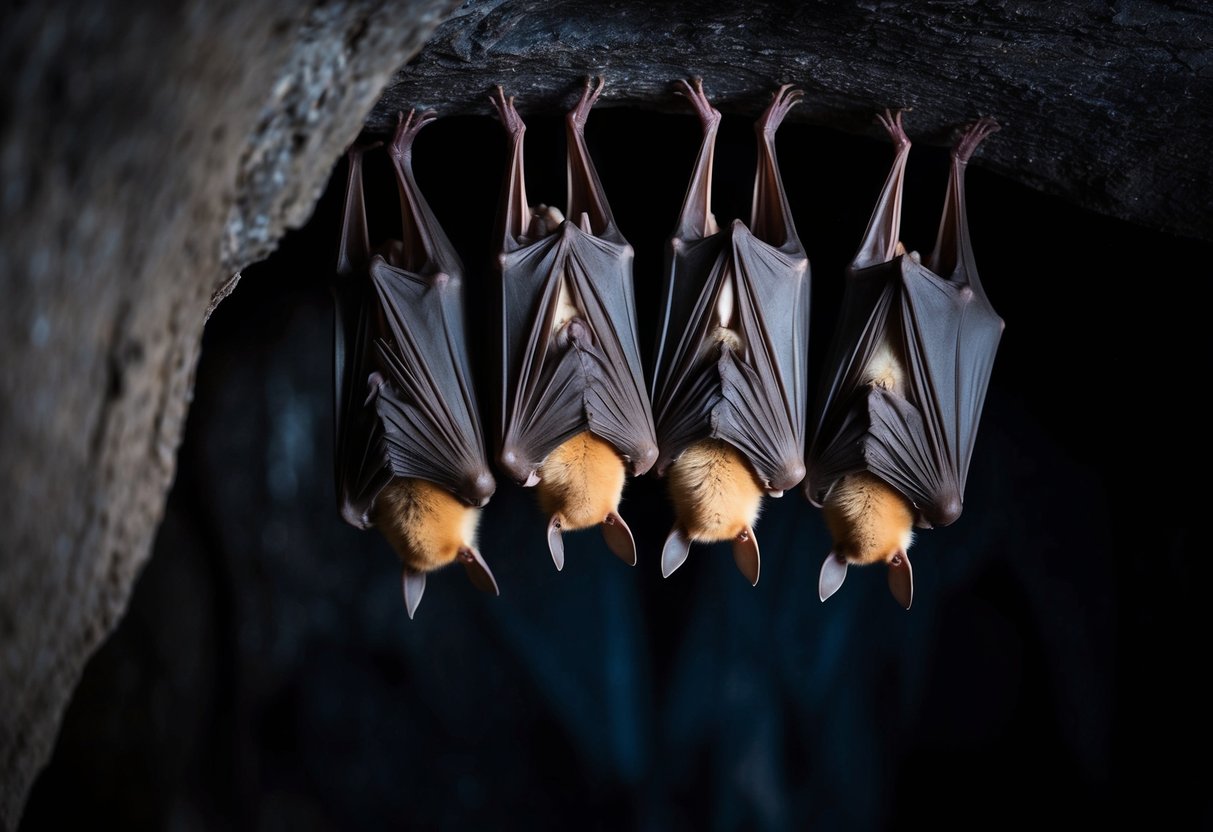
Bats have unique adaptations that help them survive and thrive during the day when they are inactive. Their behavior is focused on temperature regulation and protecting themselves from predators. Understanding these aspects can help you appreciate these remarkable creatures more.
Temperature Regulation
During the day, bats need to manage their body temperature. They often roost in places with specific environmental conditions that help keep them cool.
- Roost sites such as caves, tree hollows, and buildings provide shade.
- These locations have humidity that helps lower temperatures.
- Some bats even enter a state similar to hibernation called torpor, which reduces their metabolic rate.
By regulating their temperature, bats can conserve energy until nightfall when they become active again. This helps them survive in varying temperature conditions.
Protection and Safety
Safety is crucial for bats during the day. At night, they are nocturnal hunters, but during the day, they must stay hidden from predators.
- Bats usually choose roost sites high above ground to avoid dangers.
- Their ability to echolocate also plays a role by helping them find safe and suitable places to rest.
Hiding in these secure spots keeps them safe from birds and other daytime predators. Understanding where and how bats hide can inspire conservation efforts, ensuring they continue to thrive in their habitats.
Threats and Habitat Preservation
Bats face numerous threats, particularly habitat loss. Urbanization and agriculture often destroy roosting sites and feeding grounds. This loss can lead to declining bat populations, which disrupts the balance in ecosystems.
Diseases like white-nose syndrome pose serious risks to many bat species. This fungus affects bats during hibernation, weakening them and often leading to death. Conservation efforts are needed to monitor these diseases and protect vulnerable species.
Habitat preservation is key to bat conservation. You can help by creating bat-friendly areas in gardens or supporting local conservation programs. Protecting natural habitats ensures that bats have the resources they need to thrive, which in turn helps maintain the health of ecosystems.


