
Bats are fascinating creatures that play unique roles in our ecosystem. Some species of bats do prey on mice. These nocturnal mammals use echolocation to hunt, allowing them to find their prey even in complete darkness. This skill contributes to the diverse diets of bats, which can include various small animals, from rodents to amphibians.
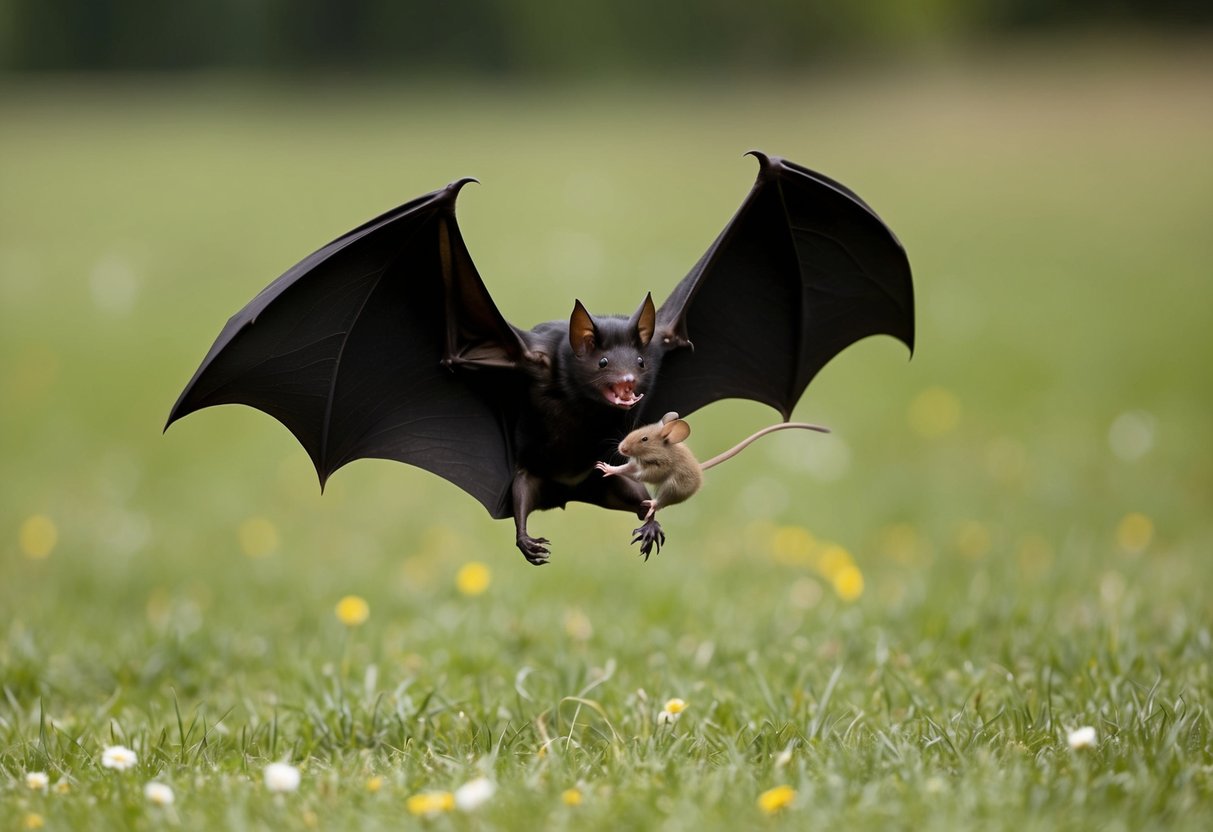
Understanding what bats eat can deepen your appreciation for these animals in the animal kingdom. While many bats primarily consume insects, the carnivorous species can take down larger prey like mice and small birds. Discovering the different species of bats and their hunting habits can be an intriguing journey into the lives of these amazing creatures.
Understanding Bats and Their Diet
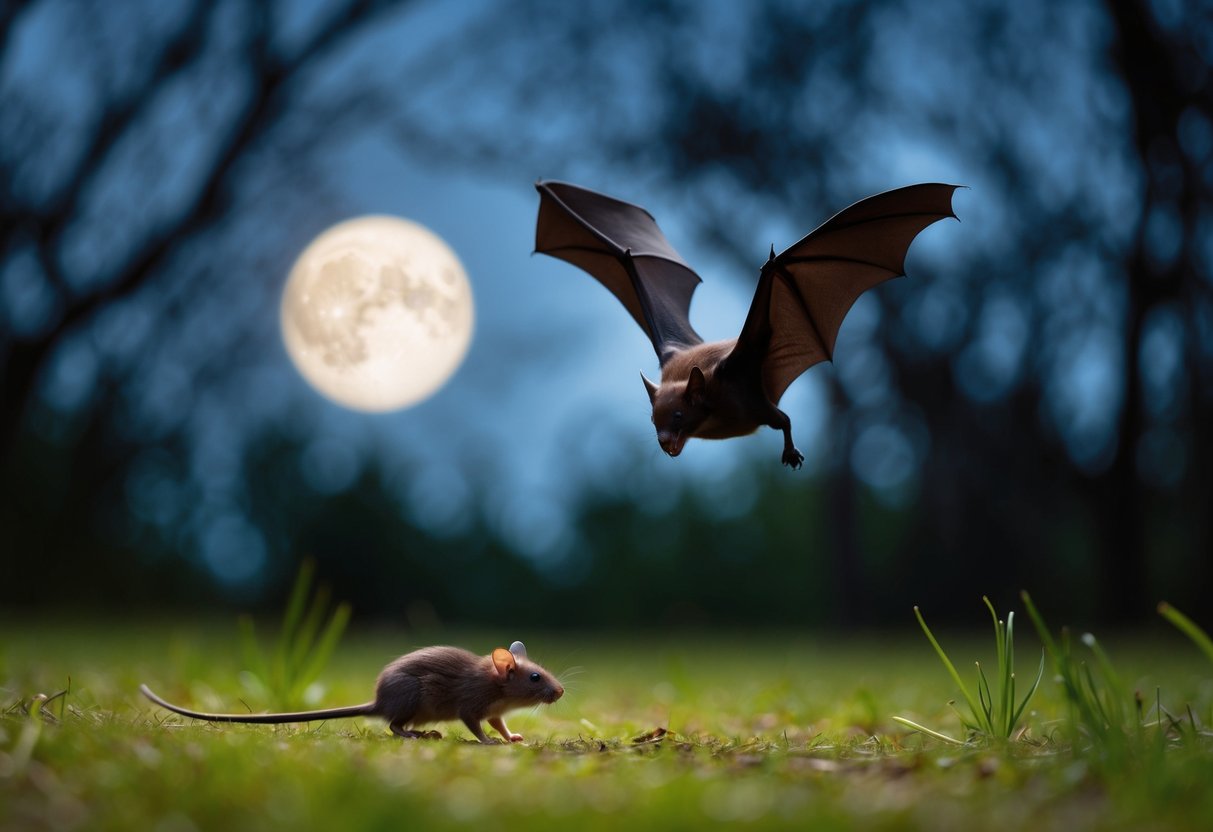
Bats have a variety of diets that depend on their species. Some bats hunt insects, while others eat fruit or even blood. Their unique adaptations make them skilled hunters and important for the ecosystem.
Diverse Diets Across Bat Species
Bats can be divided into different groups based on their diets. Insectivorous bats primarily eat insects such as moths and flies. These bats play a vital role in controlling insect populations, which benefits crops and gardens.
Fruit bats, or flying foxes, prefer fruits and nectar. They help in pollination and seed dispersal. This makes them essential for plant reproduction.
Certain species, like vampire bats, feed on blood. While this diet might sound frightening, they are important in some ecosystems by regulating animal populations.
Echolocation and Hunting Techniques
Bats are often called “blind,” but they are far from it. They use echolocation to find food. This means they emit high-frequency sounds that bounce off objects, allowing them to sense their surroundings.
When hunting, insectivorous bats fly rapidly and use their keen hearing to detect prey. They can capture insects mid-air with incredible accuracy. Meanwhile, fruit bats rely on their vision and smell to locate ripe fruits.
Every type of bat has evolved unique techniques that suit their diet. This variety allows bats to thrive in many environments and maintain a balanced ecosystem.
Predatory Habits: Do Bats Prey on Mice?

Bats can be fascinating hunters, and some species do indeed prey on mice. Understanding which bats eat mice and their role in the ecosystem can help you appreciate these unique creatures.
Carnivorous Bats and Their Prey
Not all bats eat the same things. Carnivorous bats can include species like the false vampire bat, which actively hunts smaller mammals such as mice. These bats have specialized snouts that allow them to catch and consume their prey efficiently.
While some species focus on insects, certain carnivorous bats will eat small rodents. It’s interesting to note that vampire bats, despite their fearsome reputation, mainly feed on the blood of larger animals rather than preying on mice. Bats generally use echolocation to find their targets, making them adept hunters in various environments.
The Role of Bats in Ecosystems and Pest Control
Bats play an important part in maintaining healthy ecosystems. By preying on Rodentia like mice, they help control the population of these small mammals, which can become pests.
In gardens, bats can reduce the number of insects, benefiting your plants. By consuming a variety of prey, bats promote biodiversity in their habitats. Their hunting activities also support food webs, influencing the population dynamics of both prey and predator species in an ecosystem.
Bat Species and Their Unique Traits
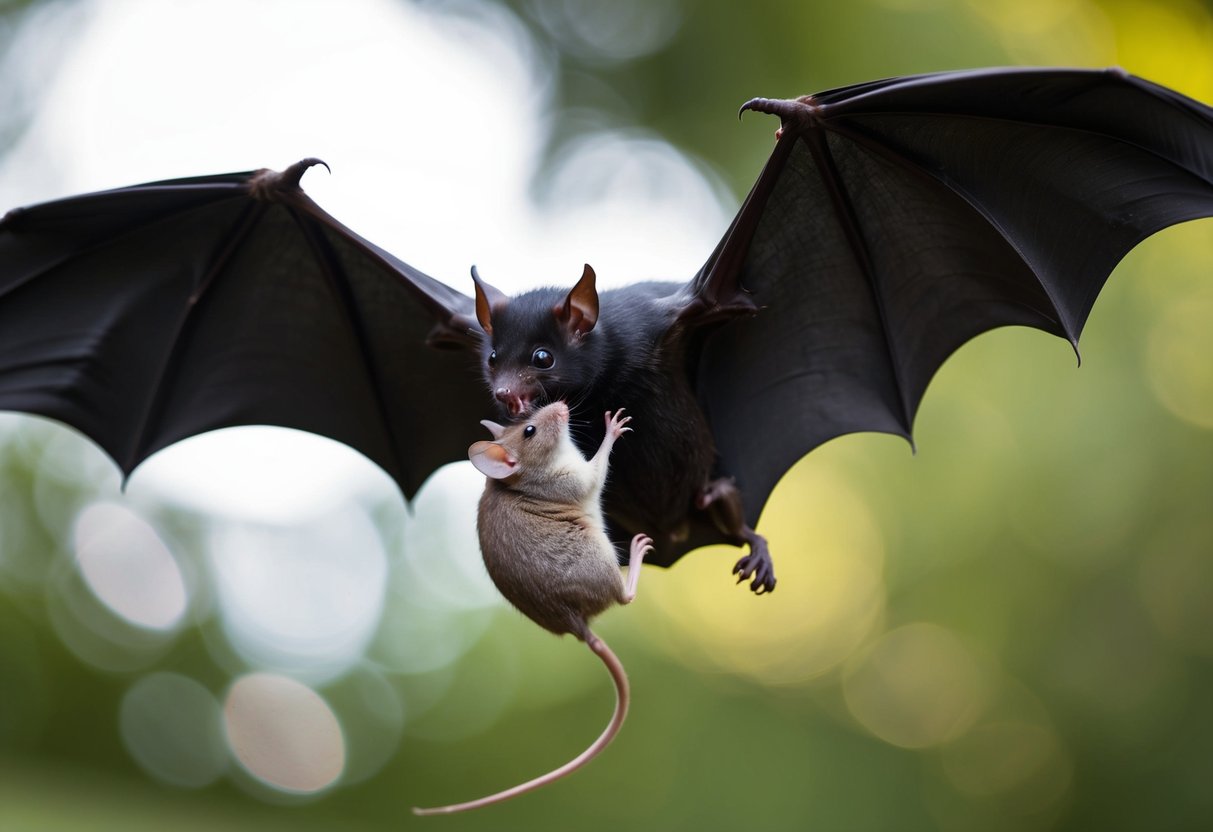
Bats are fascinating creatures with diverse diets and unique traits. Understanding these differences helps you appreciate their role in nature and the importance of their conservation.
Species Specific Diets
Different bat species have specific diets that reflect their adaptations. For example, vampire bats primarily feed on the blood of larger mammals. They are known for their sharp teeth and anticoagulant saliva that keeps the blood flowing.
On the other hand, the frog-eating bat specializes in catching and eating frogs. This bat uses its keen vision and echolocation to locate its slippery prey.
Microbats typically eat insects, consuming a vast number to control pest populations. Meanwhile, megabats, like the flying fox, are fruit-eaters, playing a vital role in pollination and seed dispersal.
Conservation Status of Different Bat Species
Many bat species face threats that put them at risk. The ghost bat, native to Australia, is vulnerable due to habitat loss and hunting.
You might also find that greater spear-nosed bats are threatened by habitat destruction. Their specialized diets can make it hard for them to adapt quickly to changes in their environment.
Conservation efforts focus on protecting these species and their habitats. Preserving wildlife systems supports not just bats, but entire ecosystems, where each species plays a crucial role.
Bats in Human Proximity: Myths and Interactions
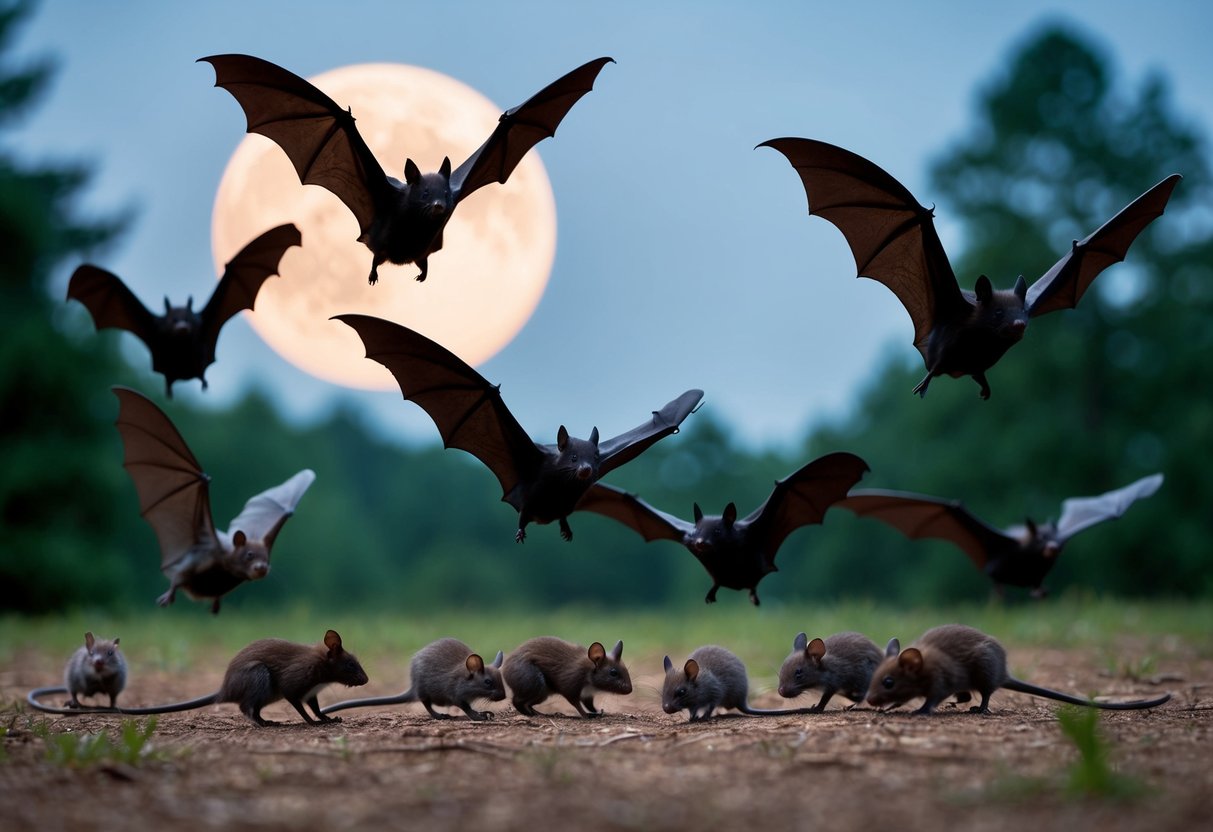
When living near bats, it’s important to separate fact from fiction. Understanding their habits and the myths surrounding them can help you coexist peacefully.
Bat Houses and Human Habitats
Bat houses are a great way to invite these creatures into your space without any harm. By providing a designated place for bats, you can help them find shelter and reduce their risk from predators. A properly built bat house can also encourage bats to stay near your property.
Bats typically hibernate in the winter, and some species, like the lesser long-nosed bat, are known for migrating. They play a significant role in pest control, consuming many insects, which can be beneficial for your garden. While you might worry about bats carrying rabies, the truth is that most bats are not infected. You can help keep them safe by providing a healthy environment through bat houses.
Common Misconceptions About Bats
Many people think that bats are a danger, but that’s not entirely true.
One common myth is that all bats are blind. In reality, bats have excellent vision and use echolocation to navigate and find food.
Another misconception is that they will attack humans. This is false; bats tend to avoid contact with people. They are more interested in insects than in your space.
While it’s essential to know that bats can carry rabies, the odds of encountering a rabid bat are quite low.
Moreover, diseases like white-nose syndrome threaten bat populations, so protecting their habitat is vital.
You can enjoy the benefits of having bats nearby while dispelling these myths.


