
If you’ve ever wondered about the life cycle of bats, particularly when their adorable little pups become independent, you’re not alone. Bats are fascinating creatures, and understanding their habits can help you appreciate them even more. Most baby bats leave the nest in late summer, usually around August, as they start to gain independence.
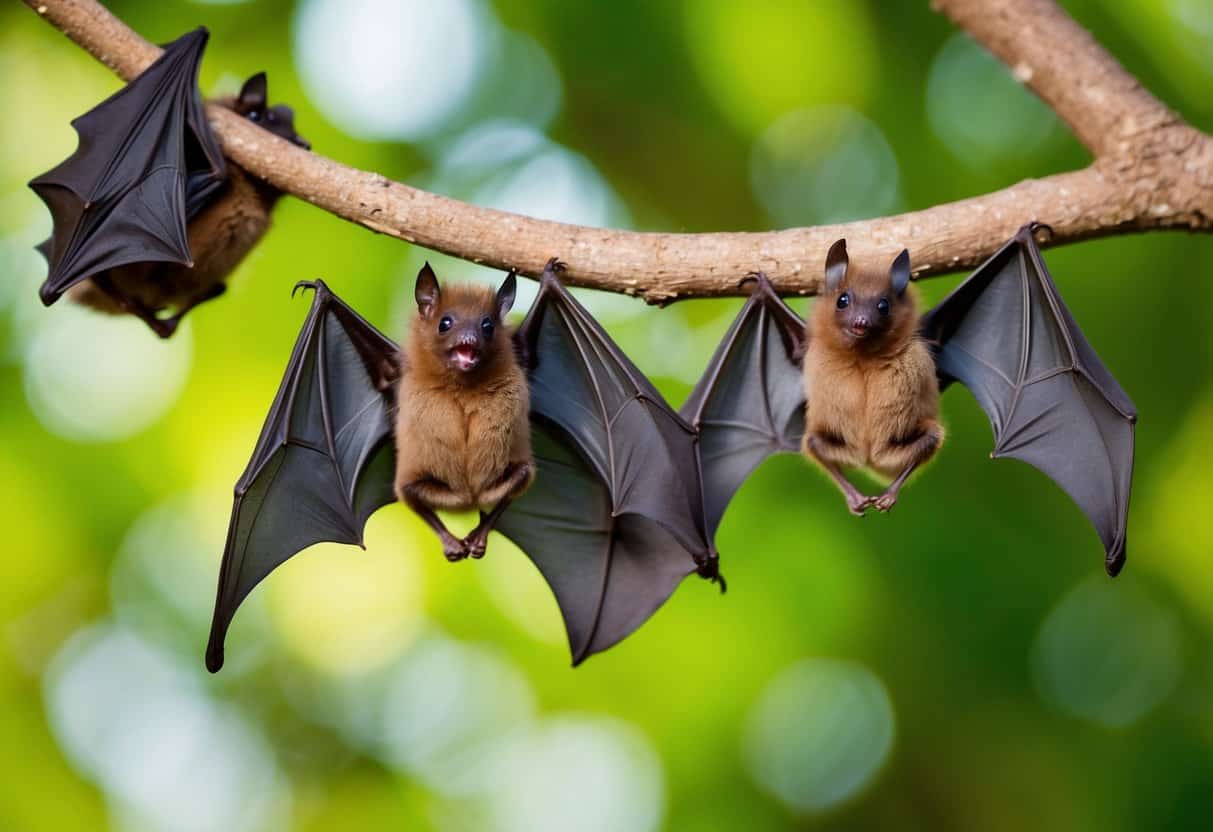
As the days grow warmer, you might notice the buzz of activity among bat colonies. During this time, mother bats take care of their pups, nursing them until they are strong enough to fly. This crucial period is not just about growth; it’s a time for learning and exploration.
Knowing when baby bats leave their roost can help you if you’re dealing with bats in your attic or home. It’s important to time any removal efforts correctly to avoid disturbing them during this critical phase of their development.
Understanding Bat Behavior and Lifecycle
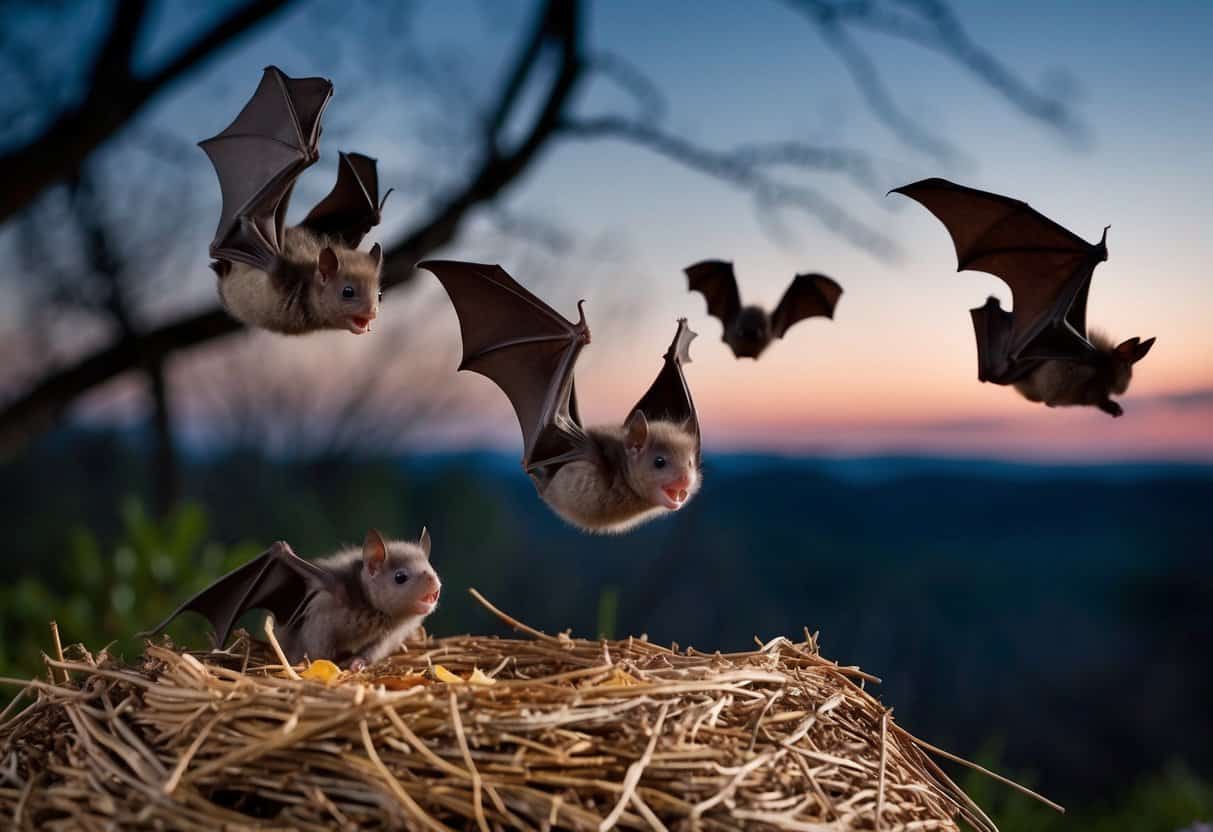
Bats have fascinating behaviors and a unique lifecycle that impacts when baby bats leave the nest. Their development and social structures, like maternity colonies, play crucial roles in their growth.
Bat Species and Their Habitats
Different bat species live in various habitats. Some prefer forests, while others thrive in urban areas or caves. You can often find bat colonies in attics, old barns, or large trees.
Bats are social animals and often roost together. This is essential for raising young, as they form maternity colonies, where female bats gather to give birth and care for their pups. These colonies provide warmth and protection for baby bats.
From Birth to Maturity: Baby Bat Development
Baby bats, called pups, are born in late spring or early summer. After a gestation period of six to nine weeks, mothers typically give birth to one pup, although some species can have twins.
Newborns weigh less than an ounce and are completely helpless. The mother bat nurses her pup for about four weeks, during which the baby bat grows quickly. By mid-summer, they begin to fly and learn to hunt insects.
Once they are part of the community, you will see them joining their mothers every night as they venture out in search of food. As they mature, they become more independent, often leaving the nest by the end of summer.
The Journey from the Nest
As baby bats grow, their journey from the nest is influenced by several important factors. This includes how hibernation affects their growth and the crucial stage of learning to fly.
Hibernation and Its Impact on Growth
Hibernation plays a key role in a bat’s life cycle. Before young bats leave the nest, they rely on fat reserves built up during feeding. These reserves get them through winter months when food is scarce.
During colder months, bats go into a state called torpor, where their metabolism slows down. This helps them conserve energy. When spring arrives, temperatures rise, signaling it’s time to emerge.
The timing of their exit is crucial. If they leave too early, they may struggle to find insects. They need to maximize their food intake for healthy growth and strong wings.
Learning to Fly: Young Bats and Flight
Learning to fly is a significant milestone for young bats. Typically, baby bats start flying about four weeks after birth. Before they take to the skies, they spend time flapping their wings and building muscle strength in the nest.
During this training period, flying insects are their primary food source. As they practice flying, they also start to hunt for these insects at dusk. It helps them hone their skills in catching dinner.
The transition from the nest to the open sky is exciting yet challenging. Young bats must learn to navigate their environment and avoid predators. This journey is essential for their survival and independence.
Seasonal Movements and Behaviors
Understanding the seasonal movements of bats helps you appreciate when baby bats leave their roost. Key factors like temperature and food availability influence these movements, while migration and hibernation patterns play a significant role in their lives.
The Role of Temperature and Food Availability
Temperature is critical for bats, especially in winter. As temperatures drop, bats enter hibernation sites to conserve energy. During this period, their bodies slow down to survive until spring.
In spring, warmer temperatures signal the arrival of insects, which are a vital food source. Female bats typically give birth in June. When the pups mature, they depend on the availability of insects for nutrition. If food is scarce, babies may struggle to grow strong enough to leave the roost.
Migration and Hibernation Sites
Bats use specific hibernation sites, often in caves or old buildings, where they can stay safe from the cold. White-nose syndrome is a serious threat in these areas, impacting bat populations. This disease can cause bats to awaken too early from hibernation, leading to starvation.
As summer approaches, bats prepare to leave their maternity roost and search for food. They start to migrate toward areas rich in insects. This shift helps them build the necessary fat reserves to survive the upcoming winter months.
Human Interaction with Bat Colonies
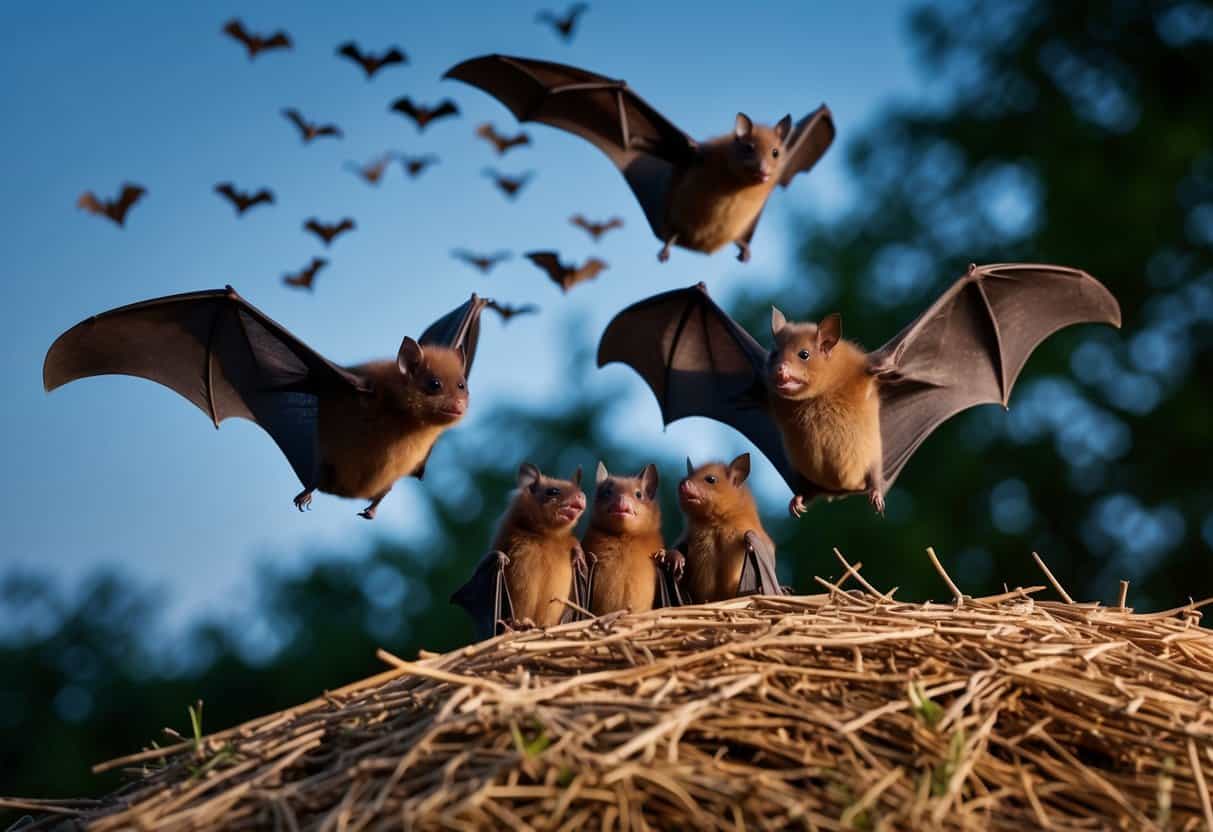
When dealing with bat colonies, it’s essential to approach the situation with care and respect. You’ll want to make sure you understand safe practices for bat exclusion and the significance of pest control in maintaining healthy bat populations.
Safe Bat Exclusion Practices
If you find bats in your home, first identify their entry points. These are often small openings around rooflines, vents, or gutters.
Avoid using harmful methods; instead, consider installing one-way doors. These allow bats to exit but prevent them from getting back inside.
Timing is crucial. It’s best to perform exclusion after baby bats have left the roost, usually around late summer. Female bats can nurse their pups for up to four weeks, so ensure your actions don’t separate them. Consult with a wildlife professional if you are uncertain about the best practices.
The Importance of Pest Control and Conservation
Bats control insect populations by eating thousands of insects each night. This makes them valuable allies for pest control. By practicing humane bat removal, you help maintain these benefits.
Preserving roost sites is important for bat conservation. Caves and other natural habitats are critical for these creatures. When you implement bat exclusion measures, make sure to consider their long-term survival. You can help maintain a balance in your ecosystem while ensuring your living space is free of bats.


