
Finding bats in your loft can be surprising and a bit unsettling. If you suspect you have these creatures in your home, the first step is to assess the situation and confirm their presence. Look for signs like droppings, noises at dusk, or actual sightings. Taking action is important not only for your comfort but also to ensure the safety of the bats, as they are protected by law in many places.
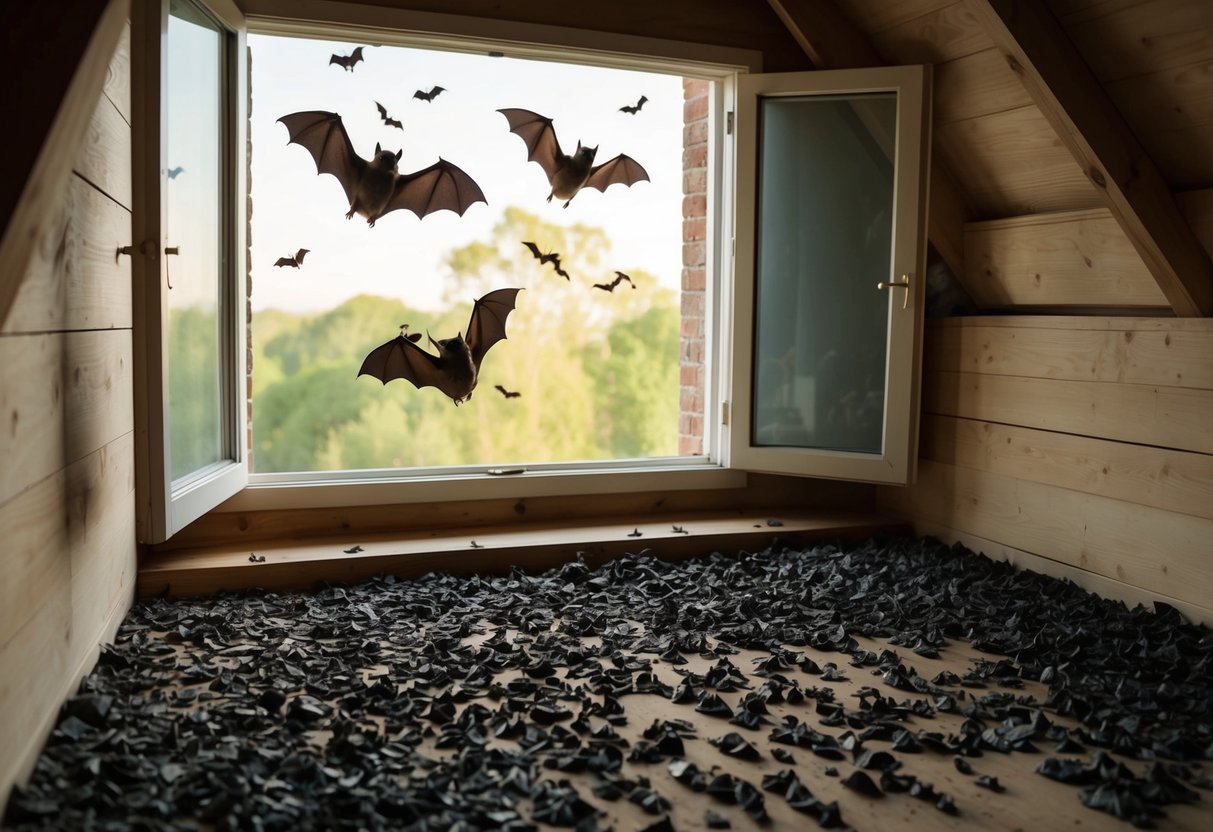
Once you’re sure bats are roosting in your loft space, it’s time to consider your options. Doing a bat survey is a good idea to understand the situation better. You may also want to think about how to safely remove them or prevent them from returning in the future. Remember, bats play an important role in the ecosystem by controlling insect populations, so it’s best to approach this issue thoughtfully.
You can deter bats by brightening up your loft and sealing any entry points. Consider using light and sound to make the area less cozy for them. Your loft doesn’t have to be a home for bats, and with the right steps, you can reclaim your space while respecting the wildlife around you.
Understanding Bat Behavior and Habitat

Bats are fascinating creatures with unique habits that help them thrive in various environments. Understanding these behaviors is key to managing their presence in your loft. Let’s explore their nocturnal habits and what they need for roosting.
Nocturnal Habits and Hibernation
Bats are nocturnal animals, which means they are most active at night. During this time, they hunt for food, primarily insects. This nighttime activity helps them avoid predators and take advantage of cooler temperatures.
In colder months, bats seek hibernation roost sites to survive. They usually look for dark, quiet spaces that offer stable temperatures. Your loft could provide an ideal spot, especially in the winter. Some species can hibernate for months without eating, slowing their metabolism significantly.
If you notice bats in your loft, they might be preparing for hibernation. Providing a safe environment for them is important, as they play a vital role in controlling insect populations.
Roosting Requirements
Bats prefer roosts that offer shelter and safety. They look for areas that are warm, dark, and undisturbed. Your attic may meet these requirements if it is cluttered and rarely accessed.
In addition to warmth, bats also seek out spaces that allow them to hang upside down. This helps them conserve energy. Common places include gaps in walls, roof eaves, and other hidden spots.
It’s crucial to recognize that your loft might become a temporary home for them. If you need to remove them, it’s best to do so humanely and during their active season.
Identifying Signs of Bats in the Loft

If you suspect bats are in your loft, there are several signs to look for. These indicators can help you determine if you need to take action. Pay attention to both visual and auditory clues that may point to their presence.
Visual and Olfactory Indicators
One of the first signs of bats in your loft is the presence of bat droppings, known as guano. These droppings can often be found near entry points or along walls. Guano usually resembles larger mouse droppings and has a crumbly texture.
You may also notice oily stains on walls or surfaces where bats enter and exit. These marks can be dark and slick. Additionally, a pungent odor, similar to a dirty litter box, may appear if there’s a significant accumulation of droppings.
Another visual clue is scratches on walls or around small openings. Bats often crawl through tight spaces, leaving marks behind. If you see any of these signs, it’s a good indication that bats may have made your loft their home.
Listening for Bat Activity
Many people fail to notice bats during the day since they are mostly active at night. If you hear faint sounds in your loft at dusk or dawn, it might be worth paying attention. Listen for high-pitched chirps or squeaks, as these sounds can indicate bat activity.
If you can visit your loft at night, try to quietly observe what’s happening. As bats emerge at dusk, you may catch sight of them flying out. Remember that you might also notice flapping sounds or rustling as they move around in tight spaces.
Being aware of these auditory clues can help you confirm their presence. If you detect these signs, take them seriously, and consider seeking professional help for safe removal.
Safe and Legal Bat Removal

If you find bats in your loft, taking the right steps for removal is essential. Acting responsibly ensures both your safety and the well-being of the bats. Here’s how you can manage the situation.
Contacting Wildlife Professionals
It’s best to contact wildlife professionals when dealing with bats in your home. They have the expertise to handle the situation safely. National Bat Helpline is a great resource for advice and assistance. These professionals can perform a bat survey to assess your situation accurately.
They can guide you through bat removal while ensuring that no bat species is harmed. This is crucial since many bats are protected by law. They might use specific methods like bat cones to help the bats exit safely without re-entering your loft. Relying on professionals means you’re more likely to achieve a successful outcome.
Understanding Legal Protections
In the UK, bats are protected by laws that make it illegal to harm or disturb them. Understanding these legal protections helps you avoid penalties. For example, it is prohibited to remove bats during their maternity season when they are caring for their young.
Hiring ecological consultants or bat surveyors ensures that you’re compliant with regulations. They can assess the species present and inform you of the best times for removal. Usually, the ideal periods for exclusion are between August 15 and October 15 or April 15 and May 15.
Make sure to work with certified professionals who understand bat conservation. This not only helps with the removal process but also supports the protection of UK bats and their habitats.
Preventative Measures for Homeowners
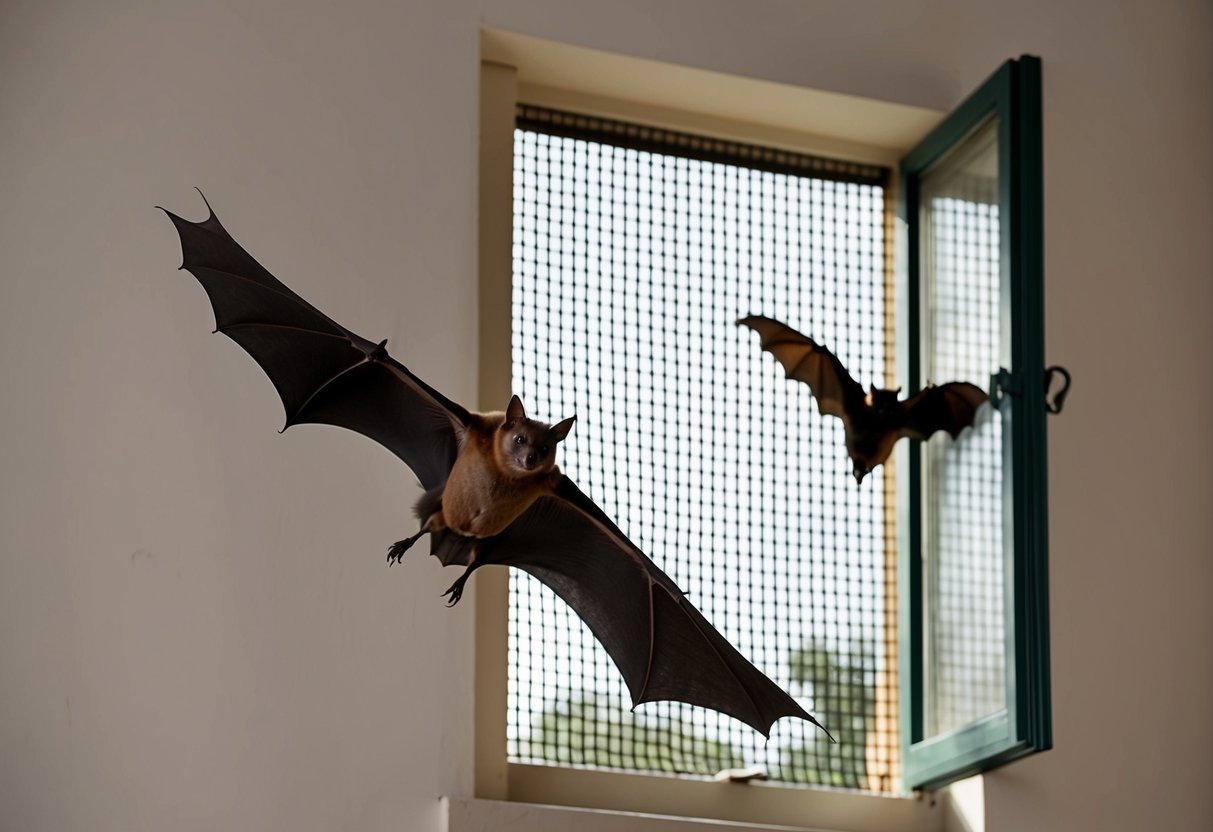
To keep bats out of your loft, it’s important to focus on prevention strategies. By securing entry points and providing alternative roosting areas, you can effectively deter bats and protect your home.
Securing Potential Entry Points
Bats are small and can squeeze through tiny openings. Start by inspecting your home for potential entry points. Look for gaps around vents, windows, doors, and roofs.
- Seal Cracks: Use caulk or foam to fill small cracks and crevices.
- Screen Vents: Install mesh screens on vents to block access while allowing airflow.
- Repair Holes: Fix any holes in roofs, eaves, and siding.
Don’t forget to check your attic. If you find signs of bats, prevent their return by sealing these gaps after you’ve confirmed they’ve left. Remember, it’s best to do this during warmer months when bats are active.
Creating Alternatives to Your Loft
If bats seek a cozy spot in your loft, you should consider providing alternative options for them. Building a bat house can be an effective way to keep bats away from your home while protecting them.
- Bat Houses: You can install a bat house several feet away from your home. Make sure it’s at least 10 feet off the ground for safety.
- Location Matters: Choose a sunny spot that stays warm, as bats prefer warmer environments.
By providing a welcoming space away from your home, you can encourage bats to roost in a safe location while keeping your attic bat-free. This helps ensure both your home and the local bat population stay healthy and safe from potential rabies exposure.


