
Bats are fascinating creatures that play essential roles in our ecosystems. You might be surprised to learn that these flying mammals belong to the order Chiroptera. Scientists call bats chiropterans, and they classify them into two main groups: microbats and megabats.
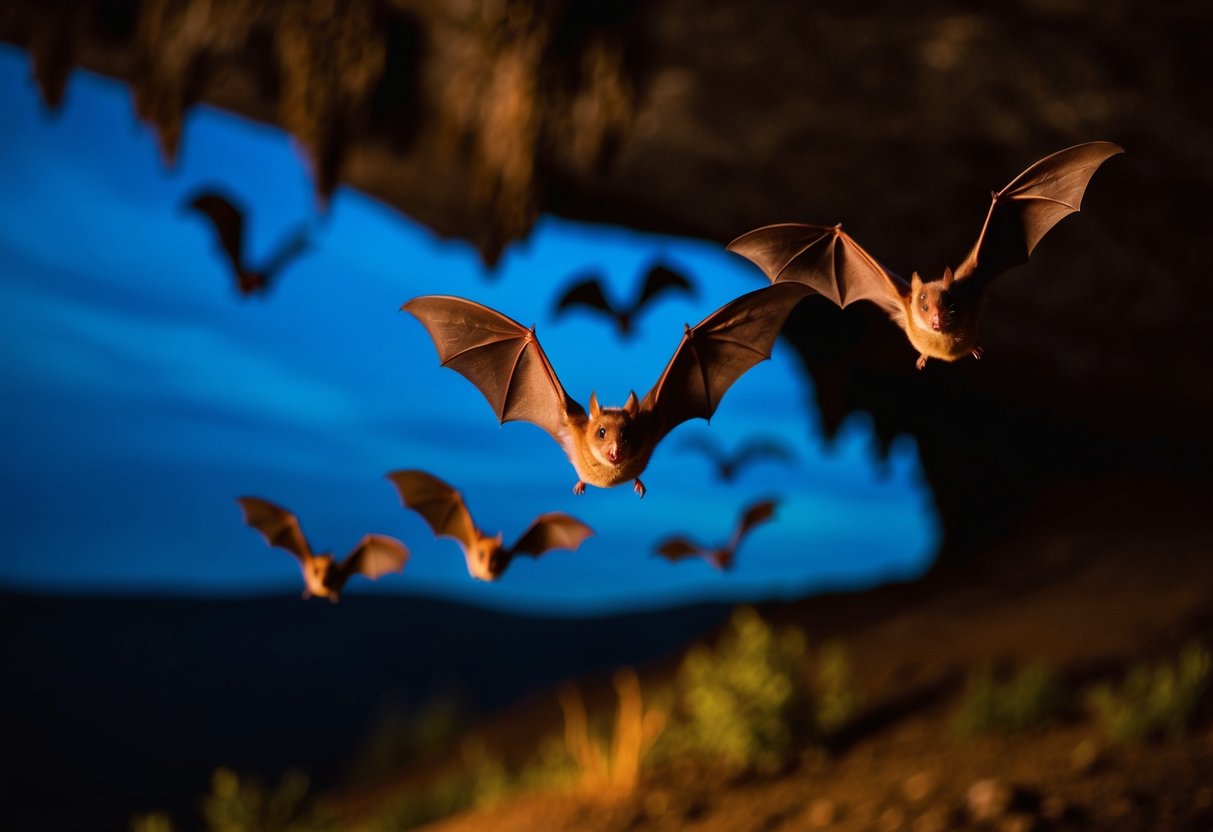
Understanding what scientists call bats opens the door to their unique biological characteristics. These animals have adapted beautifully to flight with their special wing structure. By exploring more about chiropterans, you will discover how important they are for pollination, pest control, and even seed dispersal.
As you read on, you’ll learn more about the different species of bats, their habitats, and why they deserve both our curiosity and protection. Get ready to dive into the intriguing world of bats!
Biology and Classification

Bats belong to a unique group of mammals known for their ability to fly. They are fascinating creatures with diverse characteristics, behaviors, and adaptations that help them thrive in various environments.
Understanding Chiroptera
The scientific name for bats is Chiroptera, which means “hand wing” in Greek. This name reflects their wing structure, formed by a thin membrane stretched between elongated fingers. There are two main suborders: megachiroptera (large fruit bats) and microchiroptera (smaller insect-eating bats). This order includes over 1,200 species, which showcases their evolution and adaptation through the fossil record.
Physical Characteristics
Bats exhibit a variety of physical traits that help them survive. Their wings can span from just a few inches to nearly six feet, depending on the species. For example, the flying fox has a massive wingspan, while the Kitti’s hog-nosed bat is one of the smallest.
Bats have specialized adaptations, including keen hearing to detect sounds and movements of prey. Their vision varies, with some species having excellent eyesight for night hunting. A bat’s fur can also come in diverse colors, aiding in camouflage among trees and foliage.
Echolocation Abilities
One of bats’ most remarkable skills is echolocation. They emit high-frequency sound waves, typically beyond human hearing, and listen for the returning echoes. This technique lets them navigate and hunt effectively, even in complete darkness.
During hunting, bats use a feeding buzz, a rapid series of calls that helps them zero in on their prey. By analyzing the echoes, they can assess distance, size, and even texture of objects. This ability is especially crucial for species like vampire bats, which must locate their prey precisely. It’s a fascinating example of evolution shaping behavior for survival.
Habitat and Behavior
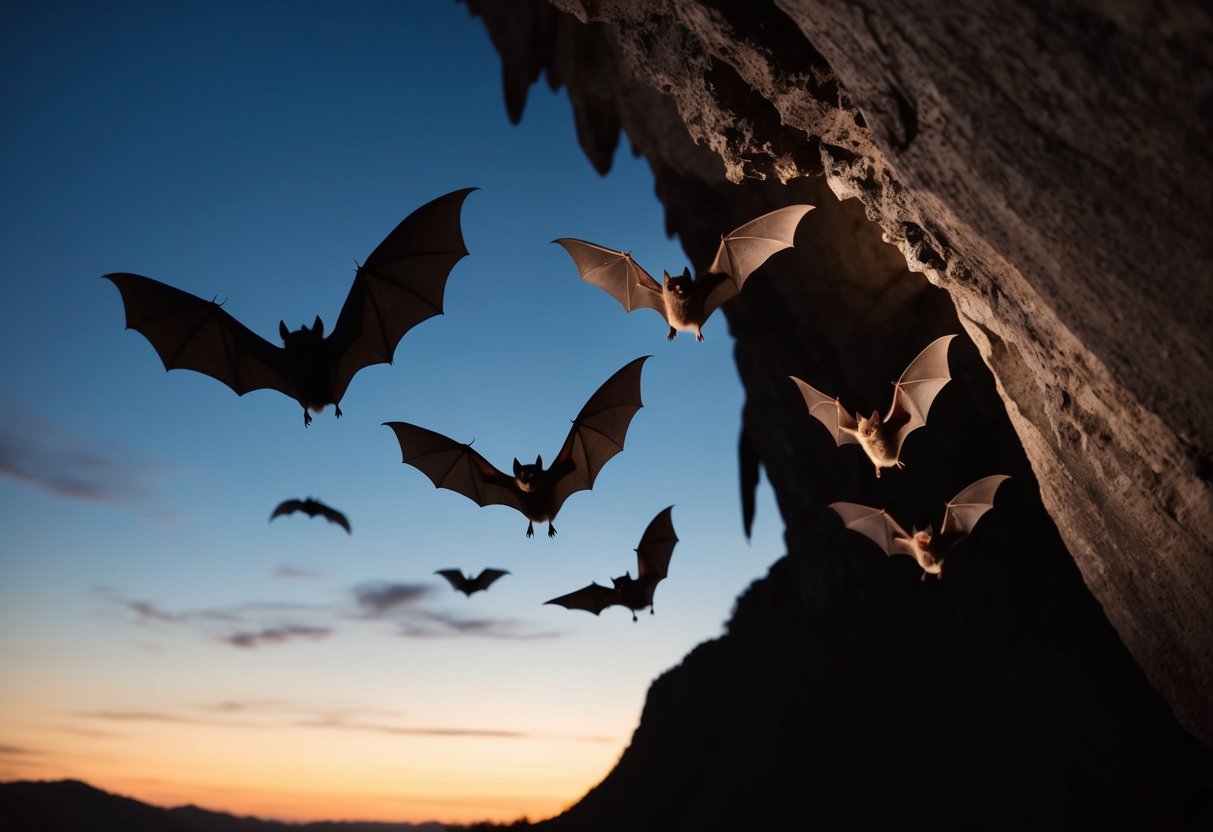
Bats play important roles in the ecosystem due to their unique behaviors and adaptations. This section will explore where bats roost, how they feed, and their reproductive habits.
Roosting and Hibernation
Bats often roost in sheltered locations during the day. They choose spots like caves, trees, and man-made structures. These areas provide protection from predators and harsh weather.
During colder months, some bats enter hibernation. This state helps them conserve energy when food is scarce. The pallid bat, for example, may hibernate for weeks or months. Roosting sites are crucial for bat survival and can support entire colonies.
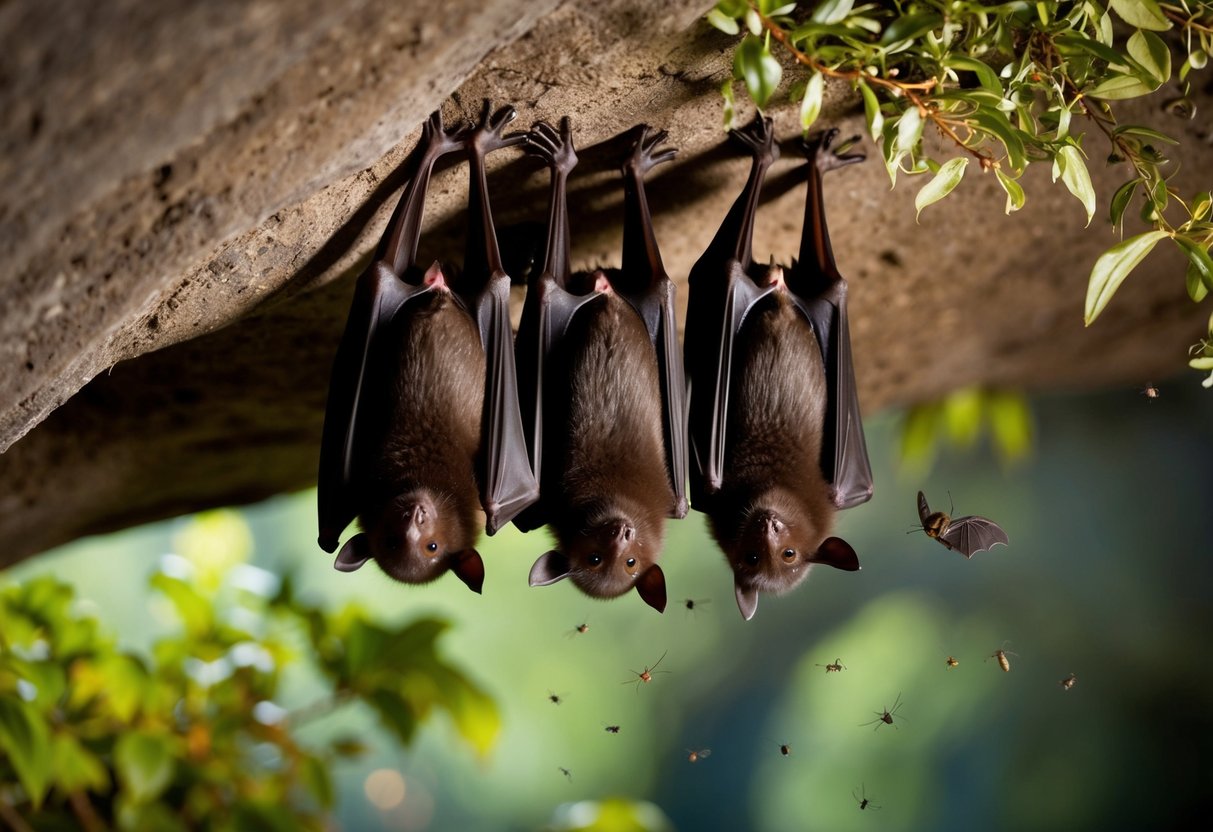
You might notice bats hanging upside down, which is how they rest. This position allows easy take-off for their nocturnal activities.
Dietary Patterns
Bats are known for their diverse diets. While many are insectivorous, feeding on insect prey like moths and beetles, others are fruit-eating bats.
Insectivorous bats can consume thousands of insects in a night, making them vital for controlling insect populations in ecosystems. Fruit bats, on the other hand, help with pollination and seed dispersal by consuming fruits.
This dietary variety supports the health of your local environment, enhancing plant growth and biodiversity.
Reproductive Habits
Bats usually have a unique reproductive cycle. Most species give birth to one pup per year, although some can have twins.
Mothers care for their young in roosting colonies. The pups rely on their mothers for milk and warmth until they can fly and hunt on their own.
Breeding often occurs in the late summer, with some species performing impressive courtship displays. Reproduction timing can be crucial, especially in climates where hibernation affects food availability.
Roles in Ecosystems
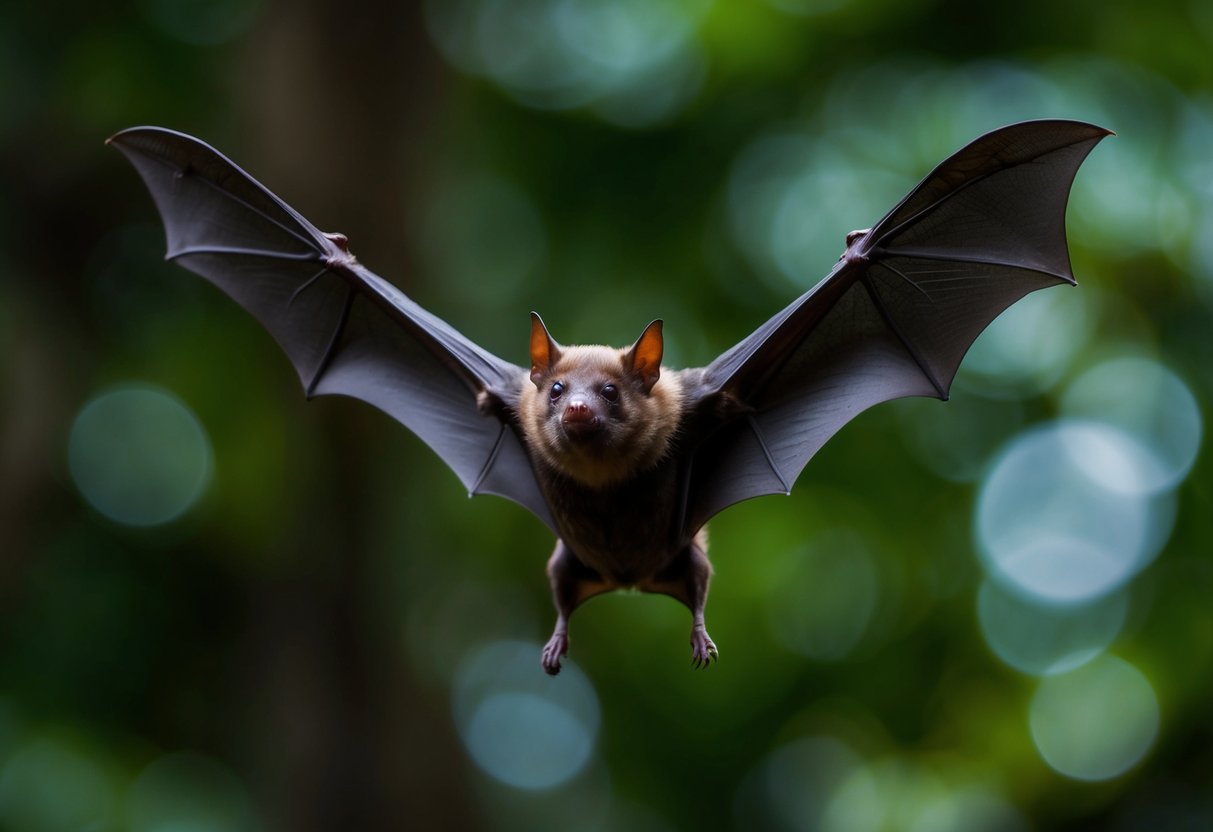
Bats play vital roles in maintaining healthy ecosystems. They contribute through essential activities like pollination, seed dispersal, and pest control. Their impact affects not only wildlife but also various plants and agricultural practices.
Pollination and Seed Dispersal
Bats are key pollinators, especially in tropical and desert regions. They visit flowers and transfer pollen, helping plants reproduce. Some plants depend solely on bats for this process, including certain types of agave and saguaro cacti.
In addition to pollination, bats are excellent seed dispersers. They consume fruits and transport seeds far from the parent plant. This behavior helps forests grow and thrive. By spreading seeds, bats assist in forest regeneration and enhance biodiversity in ecosystems.
Pest Control and Guano
Bats significantly reduce insect populations by consuming large quantities of bugs. Many bats feast on insect prey, including pests harmful to agriculture. In the U.S., their pest control services can be worth billions of dollars each year.
Their waste, known as guano, is rich in nutrients. It serves as a powerful fertilizer, supporting plant growth. This natural fertilizer can promote healthy soil, making it vital for many ecosystems. Bats, with their unique abilities, play a crucial role in balancing nature.
Conservation and Threats
Bats play a crucial role in our ecosystems, but they face significant challenges. Understanding these threats can help you appreciate the importance of conservation efforts.
Human Impact and Deforestation
Human activities have a major impact on bat populations. Deforestation leads to the loss of vital roosting sites where bats rest and raise their young. This loss disrupts their habitats and affects their ability to thrive.
Additionally, urban development reduces the availability of natural areas essential for bats. As insectivores, bats help control pest populations, so their decline can lead to increased agricultural issues.
You should know that conserving forests helps maintain healthy bat populations. This, in turn, supports biodiversity and promotes a balanced ecosystem. By protecting habitats, we also safeguard the economic benefits that bats provide through pest control.
Disease and Climate Change
Several diseases can affect bats, and one of the most serious is white-nose syndrome. This deadly fungal infection, caused by Pseudogymnoascus destructans, has decimated bat populations across North America.
Climate change also poses threats, altering habitats and food availability. Changes in temperatures can affect insect populations and roosting behavior, making it harder for bats to survive.
Supporting conservation initiatives helps create healthy environments where bats can flourish. Your involvement can play a part in preserving these vital creatures.


