
Homeowners need to identify bat droppings, especially if they suspect bats are roosting in their attic or nearby. Bat droppings, known as guano, are small, oval, and typically between 4 and 8 millimeters long, resembling grains of rice. Learning to spot these droppings can help you understand if bats are present and how to proceed.

You might find bat poop accumulating under their roosting spots, like in lofts or near eaves. It’s usually dark brown or black, with a unique segmented look and a dry, crumbly texture.
If you’re unsure, comparing bat droppings to other types can clear up confusion and ensure you know what you’re dealing with.
Knowing how to identify bat droppings can also guide you in taking the right steps for cleanup and prevention. By recognizing their traits, you can protect your home and ensure a safe environment for both you and the bats.
Identifying Bat Droppings
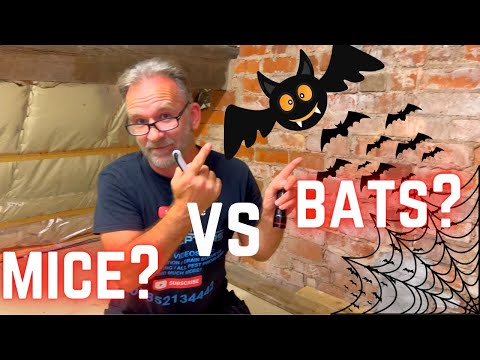
When trying to identify bat droppings, it’s important to focus on their unique characteristics and understand how they differ from mouse droppings. Recognizing these differences can help you assess whether you have bats in your home.
Characteristics of Bat Droppings
Bat droppings, also known as guano, are distinct in appearance. They are typically oval-shaped, resembling tiny rugby balls. Size-wise, these droppings measure about 4 to 8 millimeters in length, making them slightly larger than a grain of rice.
The color of bat droppings can vary from dark brown to gray. They often have a shiny appearance due to the undigested insect remains inside. You’ll usually find these droppings accumulating in areas close to bat roosts, like attics or eaves.
Look for a dry, crumbly texture. Unlike other animal feces, bat droppings can break apart easily when handled. If you observe these signs, it’s likely you’re dealing with bat droppings.
Differences Between Bat and Mouse Droppings
To properly identify bat droppings, you need to distinguish them from mouse droppings. Mouse droppings are generally smaller, measuring about 3 to 6 millimeters long and are often shaped like small cylinders with pointed ends.
In contrast, bat droppings are larger and more rounded. If you pinch mouse droppings, they remain intact, while bat droppings have a tendency to crumble.
Moreover, bat droppings also contain shiny flakes due to the insect remains, which is not found in mouse droppings. By comparing these features, you can better identify whether you have bats or mice in your space.
Importance of Correct Identification

Identifying bat droppings is crucial for your health and safety. Knowing what to look for helps you avoid potential risks. Additionally, understanding bat droppings can provide insight into their uses, such as in gardening.
Health Risks Associated With Bat Droppings
Bat droppings, or guano, can pose health risks if not handled properly. They may contain harmful pathogens, including spores that can lead to respiratory issues when inhaled. One serious concern is histoplasmosis, a lung infection caused by a fungus found in bat waste.
You should always wear gloves and a mask if you need to clean bat droppings. Avoid sweeping or vacuuming them, as this can stir up harmful particles. Instead, use a damp cloth or paper towel to collect them safely.
Proper disposal is also essential, as leaving waste in place can attract more bats and encourage disease spread.
Use of Bat Droppings as Fertilizer
Bat guano is rich in nutrients, making it an excellent fertilizer for gardens and plants. It contains high levels of nitrogen, phosphorus, and potassium. These nutrients help promote healthy plant growth.
When using bat droppings, it’s best to compost them first. This process reduces any potential pathogens while retaining their nutritional benefits.
Apply the composted guano directly to the soil or mix it with other organic materials for a balanced fertilizer. However, ensure that you source your guano from reputable locations to avoid contamination.
Bat Droppings Cleanup and Disposal
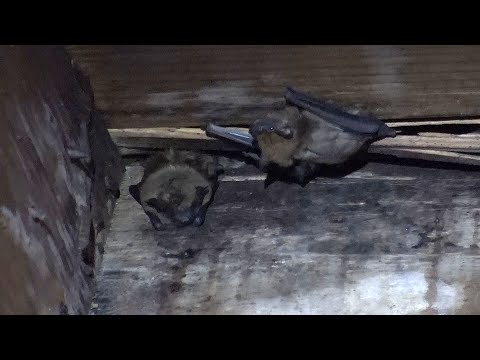
Cleaning bat droppings, also known as guano, is important for your health and safety. These droppings can contain harmful fungi and pathogens, like the rabies virus. Here are some safe methods for dealing with bat guano and when to call in a professional.
Safe Removal Practices
When you’re ready to clean bat droppings, safety is key. Start by wearing protective gear, including gloves, a dust mask, and goggles. This helps prevent inhalation of harmful particles.
- Ventilate the Area: Open windows for fresh air circulation.
- Dampen Droppings: Lightly mist the droppings with water to reduce dust.
- Use a Scoop: Collect the waste using a shovel or scoop. Place it in a sealed bag for disposal.
- Disinfect the Area: After removal, use a disinfectant to clean the surfaces to kill lingering pathogens.
Make sure to wash your hands thoroughly after completing the cleanup. Always remember to check for more droppings regularly.
Professional Pest Control
Sometimes, dealing with bat droppings can be more than a DIY task. If you have a significant amount of guano or a bat infestation, calling a professional pest control service is wise.
They have the expertise to safely remove bats and their droppings. Professionals often follow these steps:
- Conduct a thorough inspection of your property.
- Identify entry points and recommend bat removal methods.
- Provide safe cleanup of guano, including disposal practices.
Hiring experts ensures that you avoid potential exposure to diseases like histoplasmosis, which can be found in bat feces. It also helps prevent future infestations, keeping your home safe and healthy.
Preventive Measures for Bat Infestation

Taking steps to prevent bats from entering your home is important for keeping your space safe and comfortable. By securing possible entry points and knowing when to hire a professional, you can reduce the risk of a bat infestation.
Securing Potential Entry Points
Bats can squeeze through small openings. To prevent them from getting into your home, start by inspecting the exterior. Look for gaps around vents, windows, and doors.
Common entry points include:
- Cracks in the foundation
- Holes in screens or roofs
- Spaces around utility lines
After identifying these weak spots, seal them with materials such as caulk or steel mesh. Ensure that attic vents have screens to block entry. Remember, it’s best to carry out these repairs in late summer or early fall when bats are less active.
Hiring a Bat Control Service
If you suspect a bat infestation, consider hiring a bat control service. These professionals can assess your situation and safely remove bats, minimizing health risks.
When choosing a service, look for experts in local bat species and safe removal methods. They will offer a thorough inspection and likely provide tips on prevention.
Inquire about their techniques to make sure they follow humane practices. A good service will guarantee their work and help you avoid future problems. This choice can save you time and ensure your home stays bat-free.


