
Finding a dead bat can be alarming, and you might wonder what to do next. You must report dead bats to your local wildlife agency or conservation group. This helps in monitoring health issues like White-nose Syndrome, which can significantly impact bat populations and the environment.
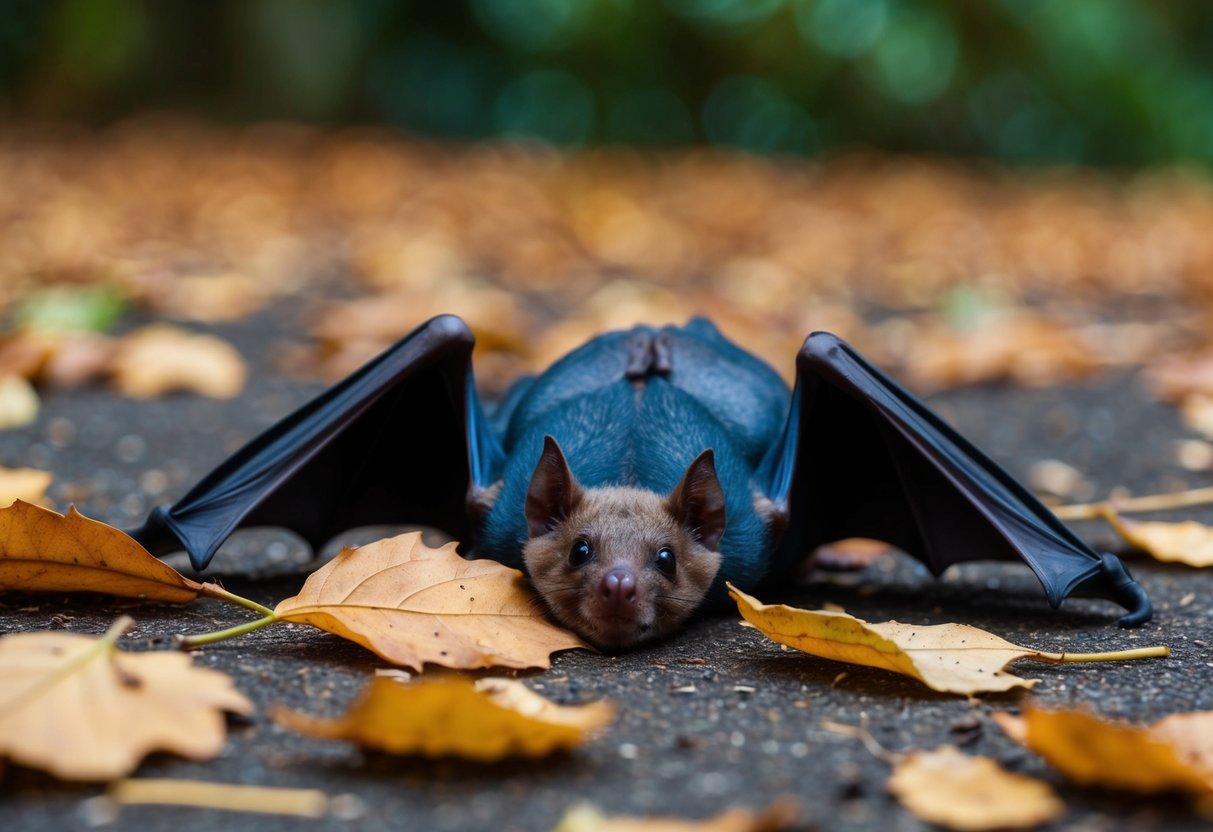
Bats play a vital role in our ecosystem, helping with insect control and pollination. Reporting dead bats not only aids in wildlife conservation efforts but also contributes to bat conservation by detecting potential disease outbreaks that could affect these important creatures.
By taking action when you come across a dead bat, you are helping protect your local wildlife. Remember that every report counts when it comes to maintaining healthy bat populations and ensuring a balanced ecosystem.
Understanding Bat Mortality and Conservation

Bats are vital to ecosystems, but many face serious threats that lead to population declines. Understanding these issues can help you appreciate the importance of conservation efforts for these unique creatures.
Importance of Bats in Ecosystems
Bats play crucial roles in maintaining healthy ecosystems. They are excellent at controlling insect populations, including mosquitoes, which helps reduce the need for chemical pesticides.
Key Facts:
- Some bats can consume over 1,000 insects per hour.
- They assist in plant pollination and seed dispersal, which supports many crops and native plants.
Their activities help ensure balanced ecosystems, allowing various species to thrive. Without bats, populations of night-flying insects could increase significantly, leading to a domino effect on food chains.
Threats to Bat Populations
Several factors threaten bat populations today. Habitat loss due to urban development and agriculture reduces their roosting sites, pushing them into less suitable areas.
Additionally, white-nose syndrome has devastated hibernating bats in North America. This fungal disease disrupts their hibernation, causing them to wake more frequently and use energy reserves too quickly.
Climate change also poses a risk, altering migratory patterns and food availability. Other threats include predation and collisions with wind energy turbines, which can lead to significant bat fatalities.
The Role of Bat Conservation Efforts
Conservation efforts play a vital role in protecting bat populations. Organizations often monitor bat health and report illnesses. You can actively help by reporting dead or sick bats to local wildlife agencies.
Many programs focus on preserving habitats and educating the public about bats’ benefits. In areas affected by white-nose syndrome, researchers are working to understand the disease better and find ways to combat it.
Taking part in bat conservation initiatives boosts awareness and support. You become a crucial part of the solution by participating in local efforts to save these essential mammals.
Health Risks Associated with Dead Bats
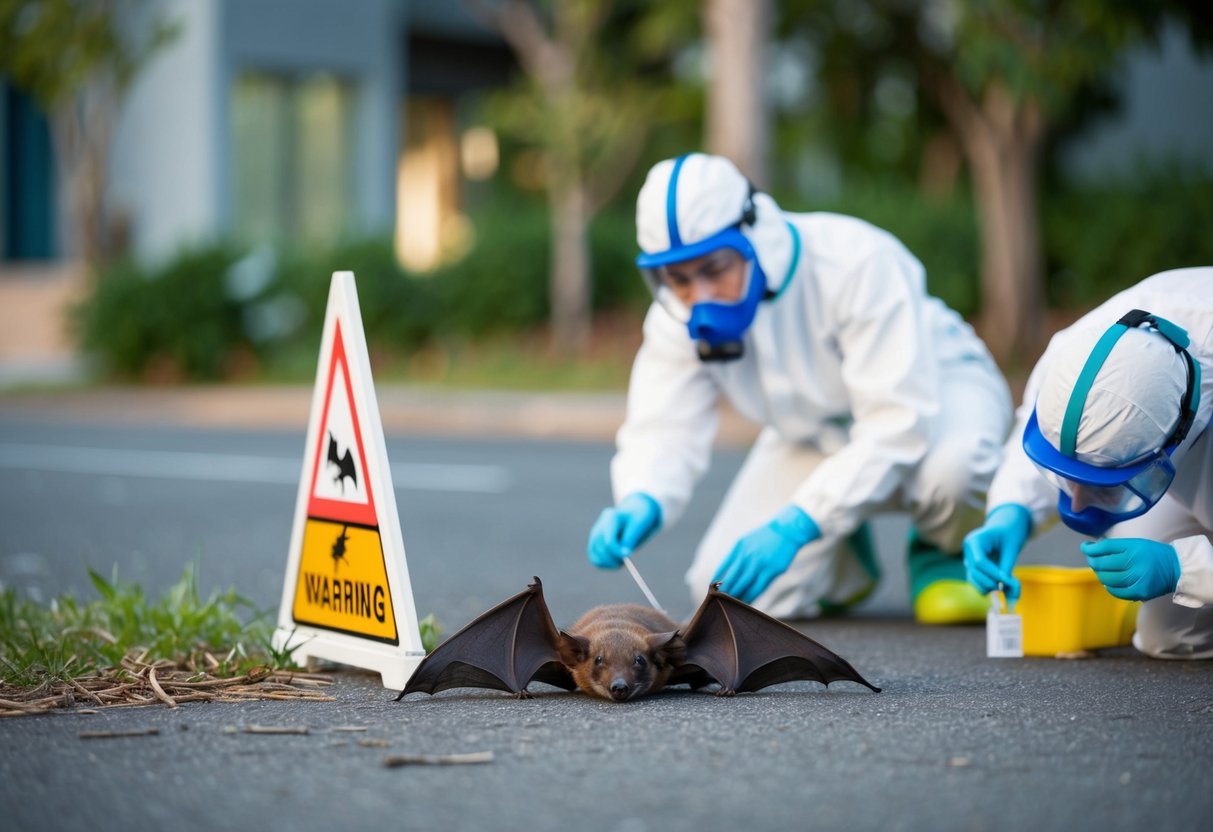
When you encounter a dead bat, it’s important to understand the potential health risks involved. The main concerns include rabies, exposure to diseases from bat droppings, and the need for proper safety precautions. Knowing these facts can help you stay safe.
Rabies and Rabies Exposure
Rabies is a serious viral disease that can be transmitted through the saliva of infected animals, including bats. If you come across a dead bat, there’s a risk it could have rabies, especially if it shows signs of illness or unusual behavior.
While healthy bats rarely attack humans, a dead bat could indicate a health problem. If you believe a bat is sick or dead, avoid touching it. If you have been bitten or scratched, seek medical attention immediately. It’s critical to report any suspected rabies exposure to your local health department.
Histoplasmosis and Guano
Guano, or bat droppings, can pose health risks as well. It may contain a fungus that can lead to histoplasmosis when inhaled. This respiratory disease can cause flu-like symptoms and may become serious for some people.
Avoid contact with bat droppings or any dust from them. If you find dead bats in areas where droppings are present, take extra caution. Always report situations involving multiple dead bats, as this can indicate a larger issue.
Safety Precautions When Handling Dead Bats
If you find a dead bat, do not handle it without proper protective gear. Use gloves and a mask to safeguard against disease transmission.
- Protective Gear: Always wear gloves and, if available, a mask to avoid inhaling any particles.
- Do Not Touch: Avoid direct contact. This includes touching the fur, droppings, or any surface the bat may have encountered.
- Report it: Contact local wildlife agencies to report the situation. They can guide you on the next steps and assist with collection.
By following these safety precautions, you can minimize your risk of health issues related to dead bats.
Reporting and Managing Dead Bat Encounters
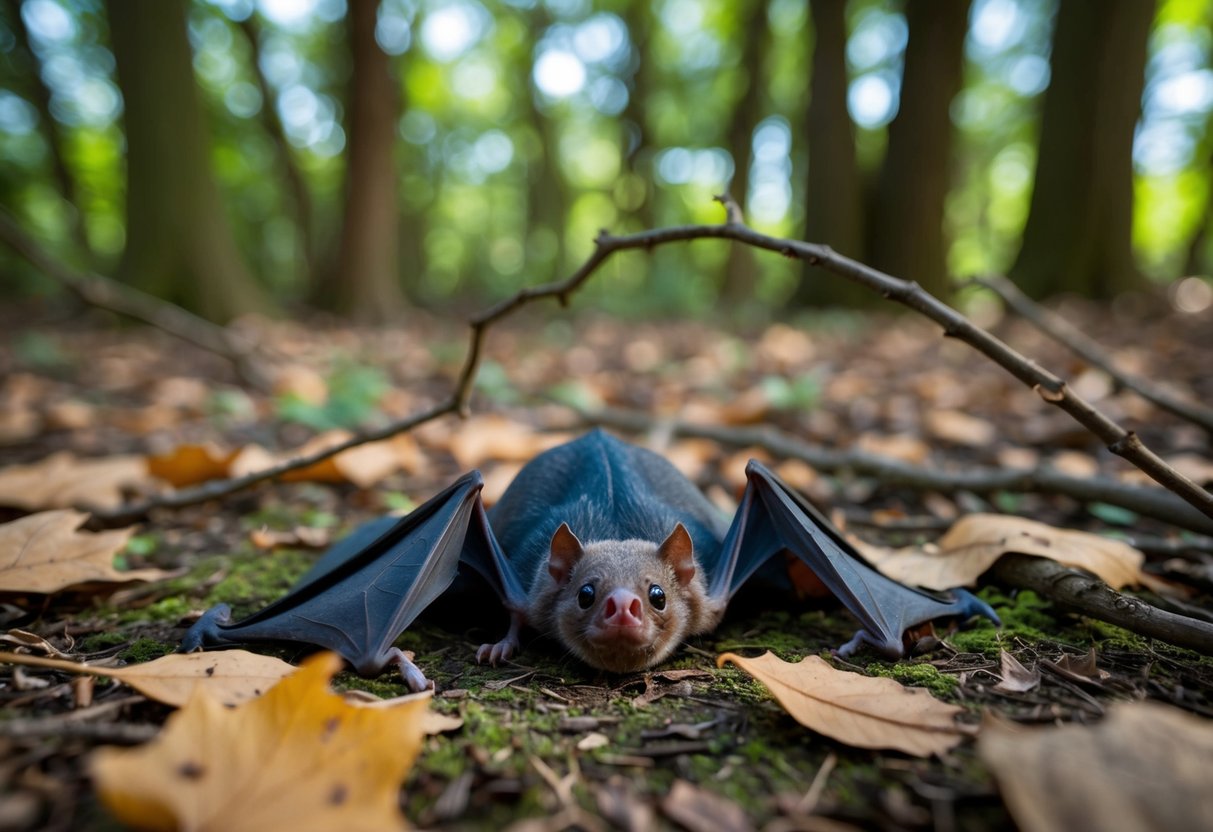
When you find a dead bat, it’s important to take specific actions. You should report the encounter to the right authorities and follow safe practices for handling the situation. This helps protect public health and monitor wildlife health effectively.
When and How to Report Dead Bats
If you come across a dead bat, you should report it promptly. Contact your state’s wildlife agency or local animal control to provide details about the encounter.
Recommended actions include:
- Filling out an electronic report if your state offers this service.
- Emailing the U.S. Fish and Wildlife Service or your local wildlife office.
This reporting allows for better tracking of potential diseases like White-nose Syndrome, which poses health risks to both bats and people.
Proper Disposal Methods for Dead Bats
Handling the disposal of a dead bat must be done with care. First and foremost, do not touch the bat with bare hands. Bats can carry diseases, including rabies, and their droppings may contain harmful substances.
Follow these steps for proper disposal:
- Use gloves when handling the bat.
- Place the bat in a sealed container to prevent contamination.
- Contact your local health department for safe removal.
They have the expertise to deal with the situation properly, ensuring safety for everyone involved.
Consulting Wildlife Experts
If you’re uncertain about the steps to take or if the bat seems unusual, consulting wildlife experts is a good idea. You can reach out to a wildlife rehabilitator for guidance.
They can provide valuable insights on the situation and help identify any potential risks.
Things to ask when consulting experts:
- What should you do if you find bats in unusual places?
- Are there specific health risks associated with the encounter?
Consulting experts can help ensure that you are following the best practices for both your safety and the well-being of local wildlife.


