
Bats are fascinating creatures that often spark curiosity and fear. Many people wonder how likely it is for a bat to come flying directly into them. In reality, bats are very unlikely to fly into you because they use echolocation to navigate and avoid obstacles. This ability allows them to detect objects in their path, so they generally know where you are.
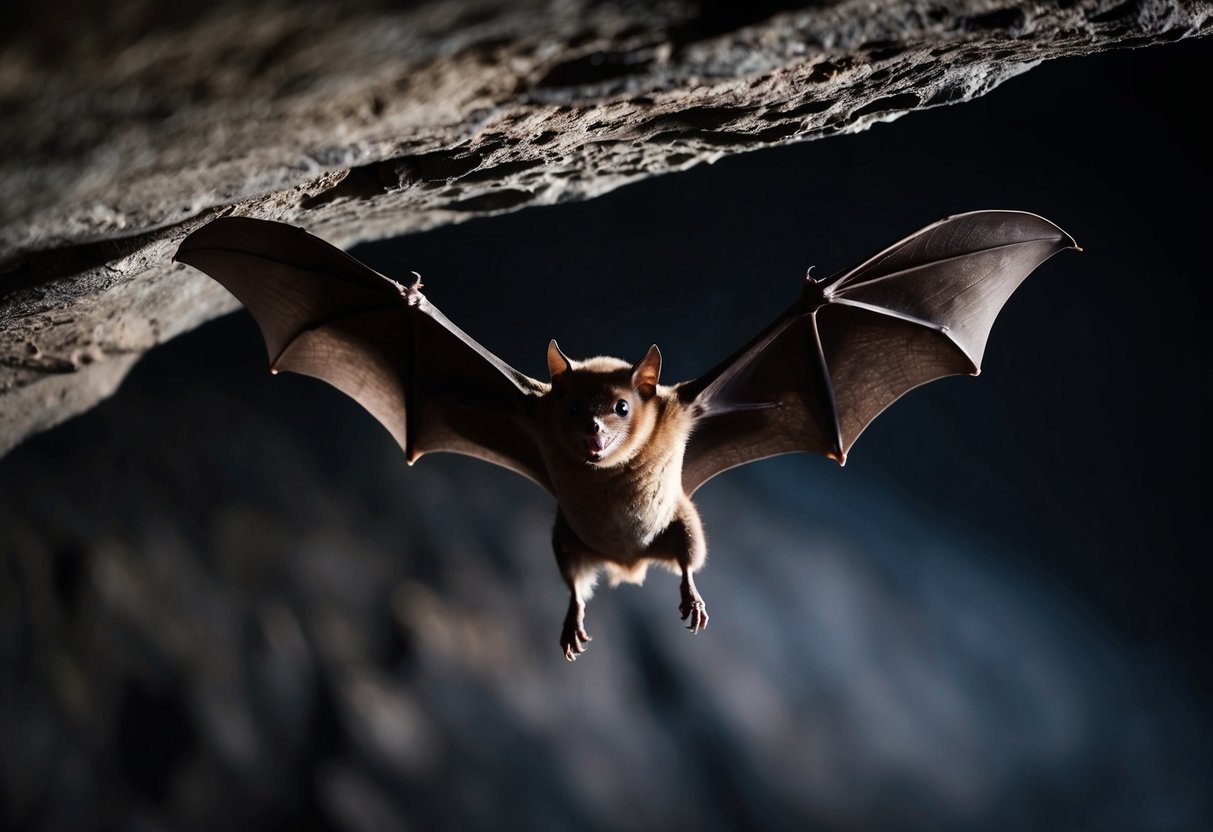
When bats are flying, they are usually more focused on catching insects or finding their roosts. If you happen to see a bat near you during the night, it is not trying to attack or interact with you. Instead, it’s simply moving through its environment, guided by its remarkable echolocation skills.
Understanding more about bat behavior can help ease your worries. Knowing that these animals aren’t out to get you allows you to appreciate them from a distance while enjoying the unique experience of watching bats in flight.
Understanding Bat Behavior and Movement

Bats are fascinating creatures with unique ways of moving and navigating their environment. Their behavior is shaped by their need for food, safety, and suitable places to rest.
Echolocation and Navigation
Bats use a special skill called echolocation to find their way around. This means they emit high-pitched sounds that bounce off objects, helping them “see” their surroundings, even in the dark. When you hear a bat, it’s likely making these sounds to locate insects in the air or avoid obstacles.
Different species of bats have different ranges of echolocation calls. Some can emit sounds as high as 100 kilohertz! This is way above human hearing, allowing them to navigate without disturbing us.
Echolocation also helps bats during their hunting. They can track fast-moving prey like moths, allowing them to swoop down quickly and catch their meal.
Roosting Habits and Habitat
Bats need safe places to rest, called roosts. You can find them in caves, trees, and even buildings. Different species prefer different habitats. For instance, some bats like to roost in large groups in caves, while others might find snug spots under tree bark.
Roosting is critical for their survival. It protects them from predators and harsh weather. In the United States, many bats roost in large colonies during warmer months. These communities help keep them safe and allow them to socialize.
Understanding where bats roost can help you avoid encounters with them. If you’re walking near trees at dusk, keep an eye out. You might just see these amazing creatures take flight!
Human and Bat Interactions

Bats and humans can cross paths, especially in areas where bats are common. Understanding these interactions helps you stay safe and know what to expect when you encounter these creatures.
Incidents of Bats Flying into People
While it may seem alarming, incidents of bats flying into people are quite rare. Bats are more likely to avoid you than approach. They usually fly away when they sense humans nearby.
If a bat does happen to fly close, it could be due to confusion or low visibility at night. Most bats are not aggressive and do not seek out humans. However, if a bat feels threatened, it may bite, which can lead to concerns like rabies exposure.
Bats are key to our ecosystem. They eat insects and help pollinate plants. Appreciating their role can lessen fear and improve your understanding of these flying mammals.
Preventative Measures and Safety
To minimize encounters, avoid areas where bats roost or fly at dusk. If you find a bat in your home, do not attempt to handle it. Instead, contact local wildlife control.
If a bat bites you, seek medical help immediately. Rabies is a serious illness transmitted through bites, and prompt treatment is crucial. Knowing the signs of rabies can help you respond quickly.
Being aware of your surroundings can help you avoid unwanted interactions. If a bat accidentally flies into you, stay calm. Most bats will quickly fly away if you simply remain still.
Health Concerns and Rabies Information
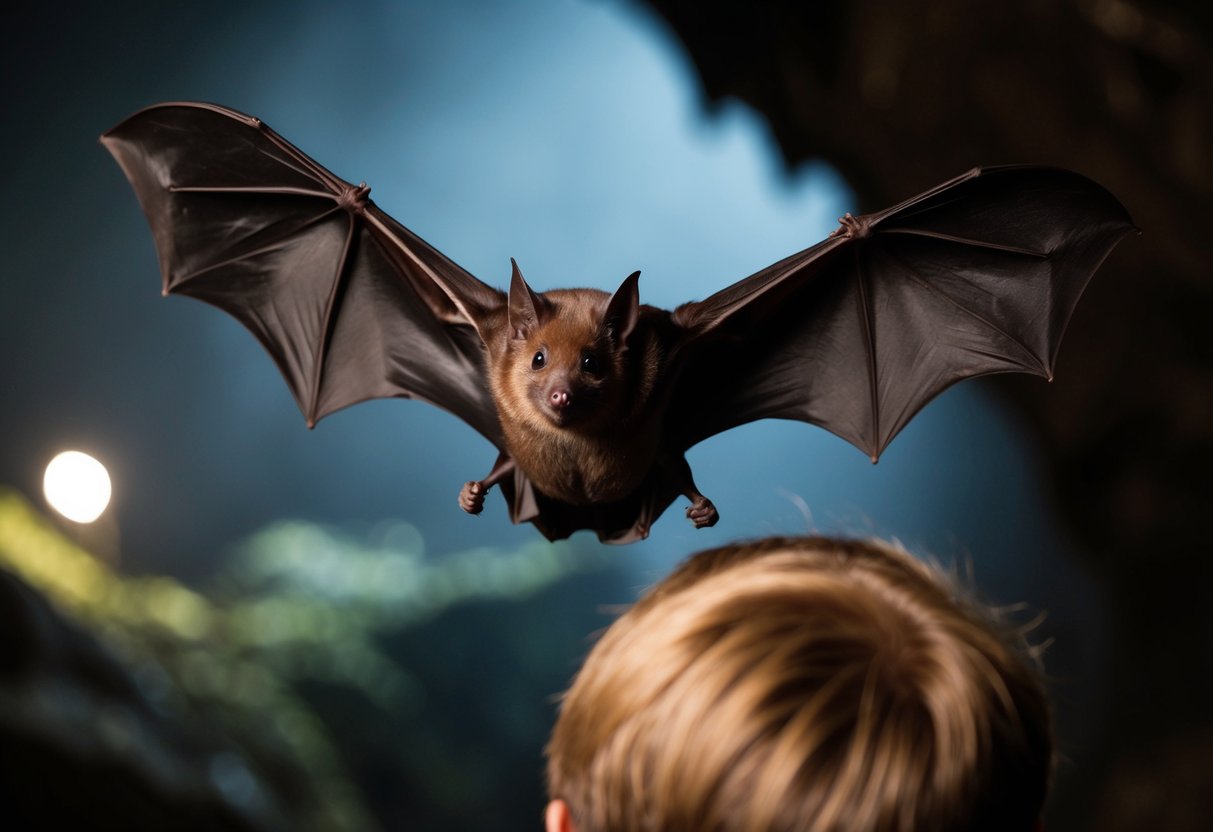
Bats can be fascinating creatures, but they also carry health risks like rabies. Understanding these concerns is important, especially if you encounter a bat. Here’s what you need to know about rabies and how it affects you.
Understanding Rabies in Bats
Rabies is a viral disease that affects the central nervous system. In bats, the rabies virus can be present without obvious symptoms. This means that a bat might look healthy but still carry the virus. Bats are one of the primary carriers of rabies in the United States.
Signs that a bat may have rabies include unusual behavior, such as being active during the day or being found on the ground. If you see a bat acting strangely, it’s best to keep your distance. Infected bats can transmit rabies through bites or scratches, making it vital to take caution.
Rabies Transmission and Treatment
Rabies spreads mostly through saliva when a bat bites or scratches you. If you have had contact with a bat, it’s essential to wash the area with soap and water right away. You should seek medical attention immediately.
Your doctor will determine if you need a rabies shot. This series of injections, known as post-exposure prophylaxis, can prevent the virus from causing illness if administered promptly. If you wake up to a bat in your room or experience a bite, contact a healthcare provider for advice. Being aware and proactive can help keep you safe.
Bat Conservation Efforts
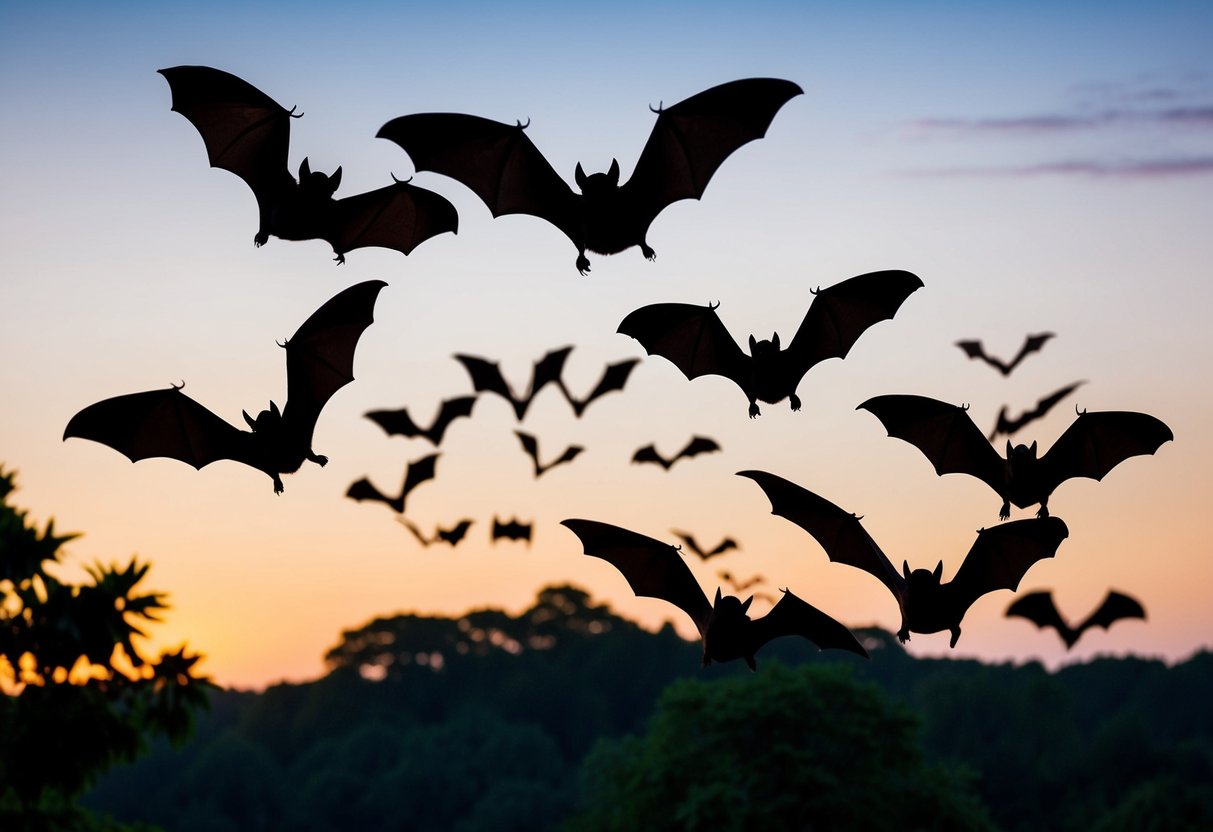
Bats play a vital role in maintaining our ecosystems, and their conservation is important for a healthy environment. If you want to help these amazing creatures, it’s essential to understand their importance and how you can create a welcoming space for them.
Importance of Bats in the Ecosystem
Bats are often called nature’s pest control. Many bat species, like the little brown bat, eat insects, including mosquitoes and agricultural pests. This natural pest control helps farmers, reducing the need for chemical pesticides.
In the United States, bats contribute to pollination and seed dispersal too. Some bats feed on nectar and help plants grow by spreading seeds. Keeping bat populations healthy ensures that these important ecosystem services continue. Sadly, many bat species are endangered due to habitat loss and diseases like White-nose Syndrome.
Creating a Bat-Friendly Environment
You can play a part in bat conservation by creating a bat-friendly environment in your yard. Start by installing a bat box. These boxes provide safe roosting spots for bats, encouraging them to take up residence in your area.
Planting native trees and flowers attracts insects, which in turn brings bats to your garden. Avoid using pesticides to create a natural habitat. Ensuring your bat box is placed in a quiet, open area will make it more inviting.
If you see bats flying at dusk, remember they are out foraging. By protecting their habitats and respecting their space, you help support bat populations and the important roles they fulfill in our world.


