
Bats are fascinating creatures, but if they are getting too close for comfort, you might be concerned about their presence. To stop bats from coming near you, eliminate factors that attract them, such as standing water or insect infestations around your home. Understanding what draws bats can help you take effective steps to keep them at bay.

To prevent a bat infestation, start by sealing entry points in your home, such as gaps in windows and doors. Bats can find their way inside through very small openings, so a thorough inspection is essential.
Moreover, reducing outdoor lighting can help, as fewer bugs will result in less temptation for these nocturnal hunters.
If you believe bats are already residing close to you, consider professional help for safe removal. By taking proactive measures and addressing the factors that attract bats, you can enjoy your space without worry.
Understanding Bats and Infestation Signs
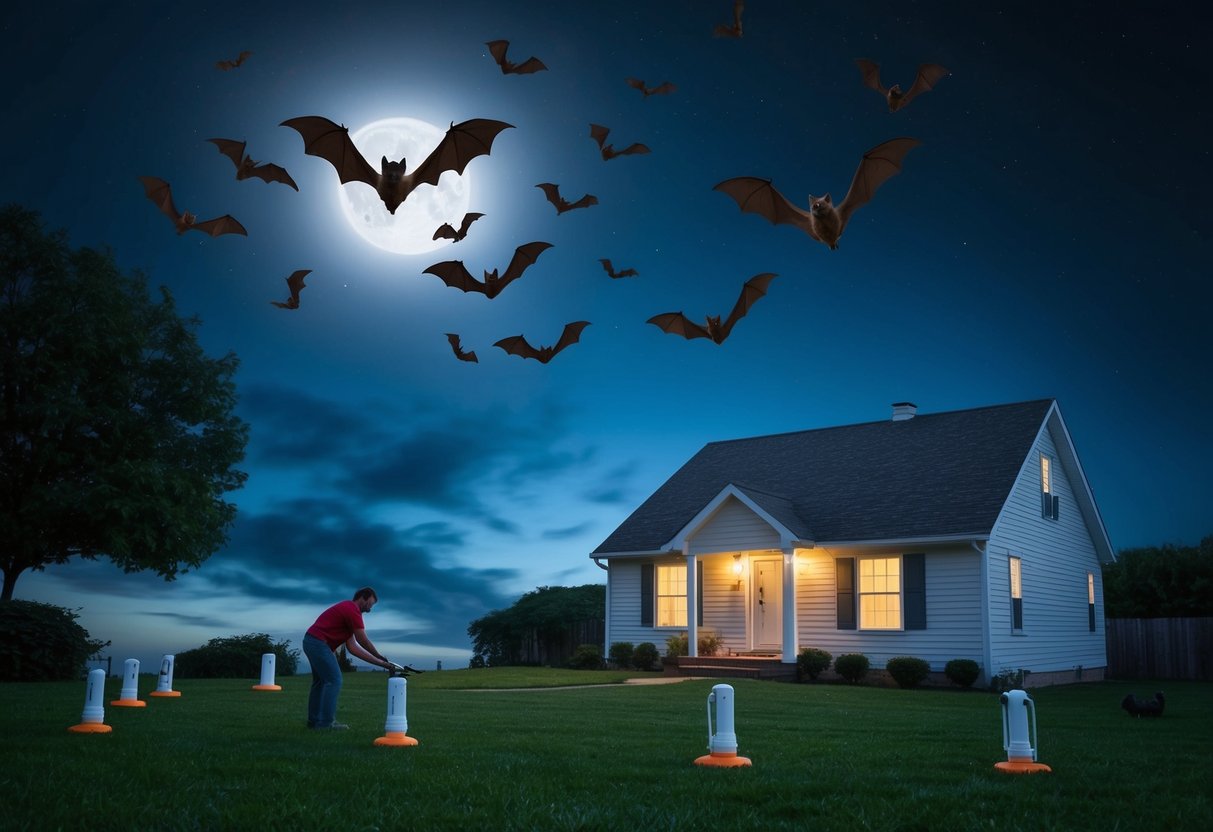
Bats are important creatures in our ecosystem, but they can sometimes make their way into your home. Recognizing the signs of a bat infestation early can help you address the issue effectively.
Significance of Bats in the Ecosystem
Bats play a crucial role in nature. They are natural pest controllers, eating large amounts of insects, including mosquitoes and agricultural pests. This helps maintain a balanced ecosystem.
Some bat species are also important pollinators. They support the growth of various plants by transferring pollen while feeding on nectar. Protecting bats is essential for our environment, as their presence contributes to healthy ecosystems. By understanding their importance, you can appreciate them while also keeping your home safe.
Identifying Signs of a Bat Infestation
Detecting a bat infestation early is key to avoiding problems. Here are some signs to look for:
- Noises: Listen for chittering or squeaking sounds, especially during evening hours when bats are active.
- Droppings: Bat droppings, known as guano, are another sign. They resemble small black pellets and can be found near entry points or where bats roost.
- Grease Marks: Check for grease marks along walls or entry points. Bats often leave oily marks as they squeeze through small openings.
Regular inspections of your attic, roof, and vents can help spot these signs. Taking notice of these clues will aid you in managing potential bat issues in your home.
Preventative Measures and Habitat Alternatives

To keep bats away from your space, consider both sealing entry points and providing alternative habitats. Making simple changes can greatly reduce the chances of bats roosting near you.
Sealing Entry Points to Prevent Bats
Bats can easily access your home through small gaps and cracks. Start by inspecting areas like attics, eaves, and basements. Use materials like caulk, steel wool, or foam to seal these entry points.
Make sure to check around windows and doors. Adding sturdy screens can prevent bats from sneaking in. Remember, bats can fit through openings as small as a quarter, so be thorough in your inspection.
Look for any gaps in siding or around vents. Repairing these can dramatically decrease the likelihood of bats trying to roost nearby. Regular maintenance is key to keeping your home bat-free.
Incorporating Bat Houses as an Alternative
Instead of chasing bats away entirely, consider offering them a better place to live. Installing bat houses can keep them away from your home while providing a safe roosting spot.
Choose a location that is away from your living areas but still offers sunlight.
Make sure the bat house is correctly placed at least 10 to 15 feet off the ground. Use untreated wood for construction to create a friendly environment. You can find plans online or purchase ready-made bat houses.
By attracting bats to a designated area, you help control insect populations while keeping them away from your home. This alternative approach is beneficial for both you and the bats.
Managing Water Sources and Standing Water
Bats are often drawn to areas with easy access to water. To minimize their attraction to your property, manage any standing water.
Ensure that gutters are clean and direct rainwater away from your home’s foundation.
Check for areas where water collects, such as flower pots or bird baths. Regularly empty and clean these to reduce standing water, which can attract insects and consequently, bats.
If you have a pond or similar water source, consider planting natural repellents nearby. Certain plants can deter bats while blending into your garden. Keeping your outdoor spaces well-maintained will help create an environment less appealing to bats.
Bat Removal Techniques

Removing bats from your area requires careful planning. You can use safe exclusion methods or rely on professional bat removal services. Both approaches focus on humane techniques and effective strategies to keep bats away from your home.
Safe Exclusion Methods
One way to stop bats from coming near you is by using safe exclusion methods. This involves identifying the entry points where bats are getting into your home. Check for gaps in roofs, vents, or chimneys.
Once you find these openings, seal them with sturdy materials like metal flashing or caulk. It’s important to do this after bats have left for the night, as they need to exit to feed.
You can also use netting to keep them from returning. Make sure you allow bats to leave but block their way back inside. This humane method helps ensure that bats stay out without harming them. Always check with local wildlife regulations, as some bats may be protected.
Professional Bat Removal Services
If you feel overwhelmed, hiring professional bat removal services is a great option. These experts specialize in humane bat control.
They assess your property to find and seal entry points. They also use techniques that encourage bats to leave safely.
Professionals often have tools and knowledge that you might not. They can conduct thorough inspections and provide you with preventative advice. You can learn how to reduce insect populations, which attract bats to your area.
Always choose a certified wildlife removal service to ensure safety and compliance with local laws. This way, you can effectively handle your bat issues while keeping the environment in mind.
Health Risks and Cleaning After Bats
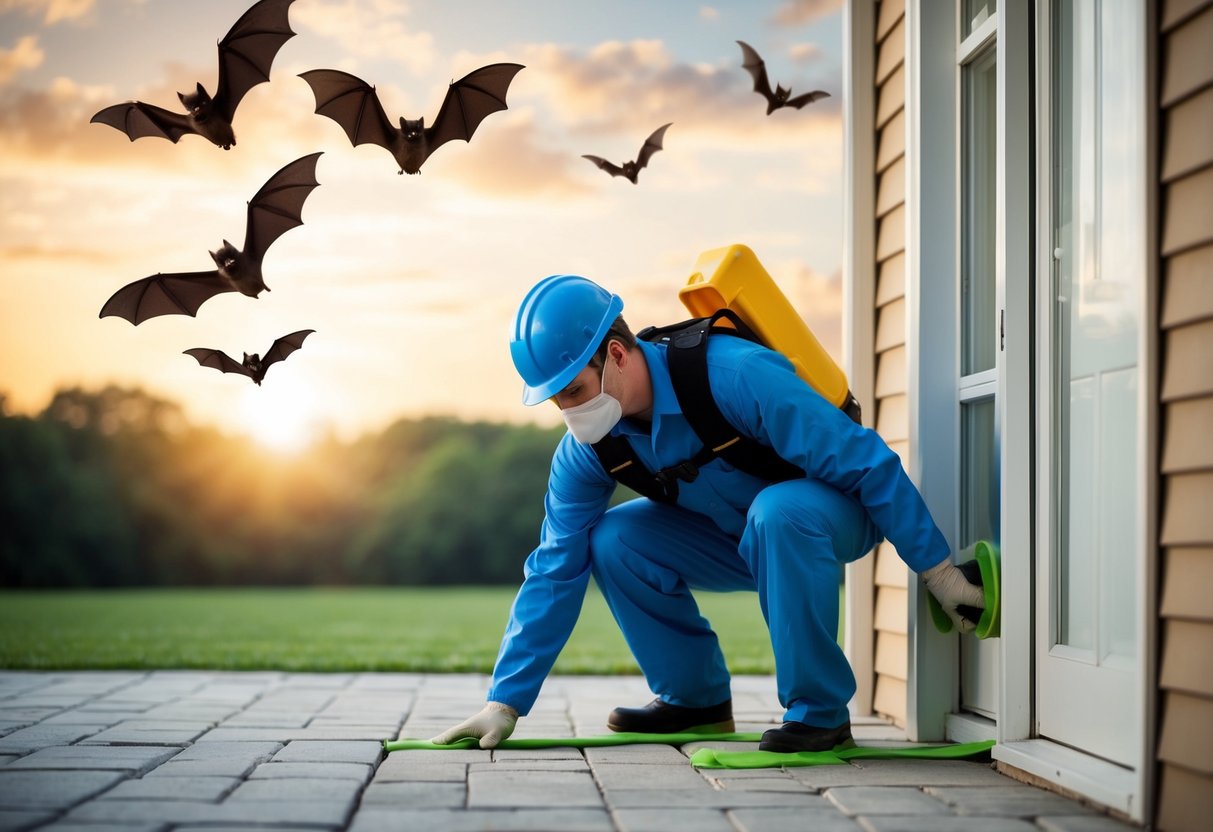
When dealing with bats, it’s important to know the health risks they pose and how to clean up safely afterward. Exposure to bat droppings, known as guano, can lead to serious health issues. Proper cleaning procedures can help protect you and your home.
Diseases Associated with Bat Infestations
Bats can carry diseases that may affect humans, such as rabies and histoplasmosis.
Rabies can be transmitted through bites or scratches. Even if most bats don’t have rabies, any contact should be treated seriously.
Histoplasmosis is a respiratory illness that comes from inhaling spores found in bat guano. When guano accumulates, it can kick up dust that contains these spores, making it easy to breathe them in without realizing it.
These diseases highlight the need for caution when interacting with bats or cleaning areas where they roost.
Cleaning and Decontamination Procedures
Cleaning up bat guano requires careful steps to ensure your safety. Always wear protective gear, such as gloves, masks, and goggles.
-
Ventilation: Open windows and doors to air out the area.
-
Wet cleaning: Dampen the guano before removal to prevent dust.
-
Disposal: Place the material in sealed bags and throw it away.
Use enzyme-based cleaners to disinfect surfaces. Regularly check for remaining droppings, as they can contain harmful spores. These steps can reduce health risks associated with bat infestations.


