
Bats are often seen as mysterious creatures of the night, but they can actually play a vital role in your garden. You may notice bats visiting your garden because they are attracted by the abundance of insects. They are natural pest controllers, helping to keep populations of mosquitoes and other bugs in check, which benefits both your plants and your outdoor experience.
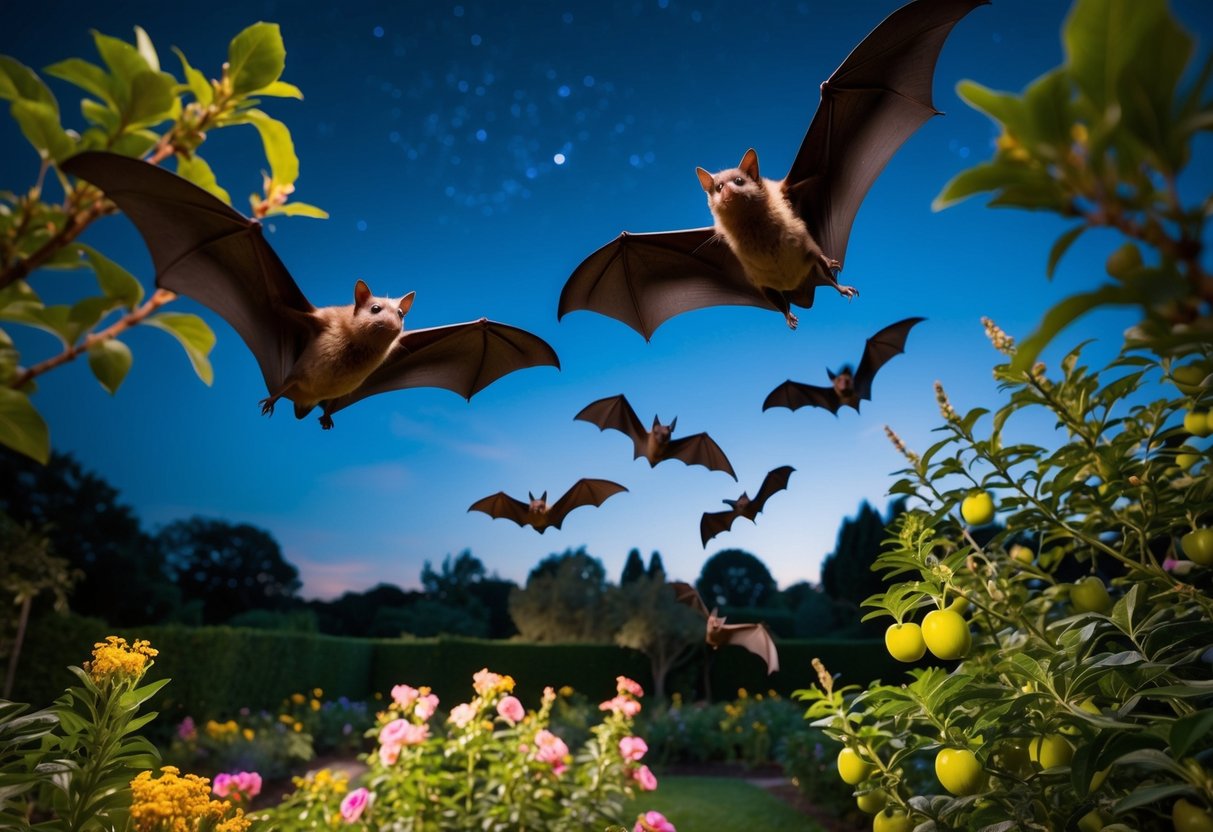
In addition to pest control, bats contribute to the ecosystem and enhance biodiversity. Many species of bats are important pollinators. They visit flowers at night, transferring pollen as they feed on nectar. This can lead to healthier plants and more vibrant blooms in your garden.
Welcoming bats can create a balanced environment in your garden, supporting not just your plants but the whole ecosystem. By understanding why these beneficial creatures are drawn to your space, you can take steps to create a welcoming habitat for them while enjoying the perks they bring.
Understanding Bats and Their Role in Gardens
Bats are fascinating nocturnal creatures that can greatly benefit your garden. They are crucial to ecosystems and play key roles in pest control and pollination. Knowing more about the types of bats and how they interact with their environment can help you appreciate their presence in your garden.
Species of Bats and Their Habitats
There are over 1,100 species of bats, which belong to the order Chiroptera. They are classified into two main groups: microchiroptera (small bats) and megachiroptera (large fruit bats). Microchiroptera typically feed on insects and are found in diverse habitats like forests, fields, and urban areas. Meanwhile, megachiroptera mainly eat fruit and nectar and are often seen in tropical regions.
Understanding bat species can help you create a welcoming environment for them. Bats prefer habitats with access to water and plenty of food sources, like flowering plants or insect-rich areas. Providing these elements in your garden can attract these useful creatures.
Benefits of Bats to Ecosystems and Biodiversity
Bats serve important functions in maintaining ecosystem balance. They are natural pest controllers, eating large quantities of insects that might otherwise damage your plants. For instance, some insectivorous bats can consume up to 1,000 mosquitoes in just one hour.
Their role in pollination is equally important. Many plants rely on bats for reproduction. If bats thrive in your garden, they can help increase the diversity of plants and improve overall biodiversity, creating a healthier ecosystem. Bat conservation is vital to protect these benefits for future generations.
Flight Patterns and Nocturnal Activity
Bats are nocturnal and use echolocation to navigate and find food in the dark. They emit high-frequency sounds that bounce off objects, helping them locate insects or flowers. This skill makes them efficient foragers, especially during twilight hours.
These flight patterns are often agile and erratic, which helps them avoid predators while hunting. By observing their activity at dusk, you can gain insights into their presence. Creating a bat-friendly garden ensures they remain in your area, benefiting both your plants and the local ecosystem.
Creating a Bat-Friendly Garden
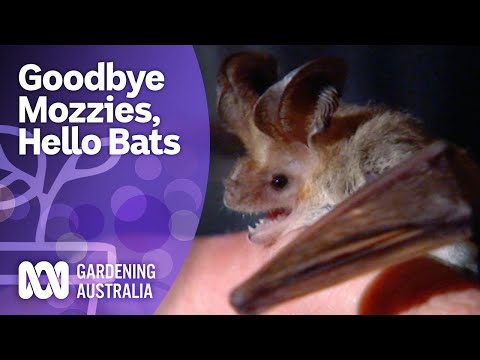
Creating a welcoming space for bats can enhance your garden’s ecosystem. Bats play a vital role by controlling insect populations and pollinating plants. Here’s how you can make your garden more appealing to these beneficial creatures.
Installing Bat Boxes and Roosts
Bat boxes are an excellent way to provide a safe resting place for these nocturnal animals. You can install a bat house in a quiet area of your garden, ideally on a pole or tree at least 10 to 15 feet high. Make sure it’s away from strong winds and direct sunlight, which can overheat the roost.
Key Tips:
- Choose a box made from untreated wood.
- Ensure there’s plenty of ventilation.
- Consider placing multiple boxes to attract different bat species.
These structures not only offer shelter but also encourage bats to stay and feed in your garden.
Plant Choices for Attracting Bats
Selecting the right plants can turn your garden into a bat-friendly haven. Focus on night-blooming flowers that attract insects, which bats love to eat. Moonlight gardens featuring evening primrose and moonflowers can be particularly effective.
Plant Recommendations:
- Evening Primrose: Blooms in the evening and attracts moths.
- Moonflowers: Their fragrance draws insects at night.
- Mature Trees: Provide roosting spaces and create a natural habitat.
By incorporating these plants, you will be providing food and shelter, making your garden attractive to bats.
Water Features and Their Importance
Having a water source is crucial for attracting bats. Ponds or small water features in your garden can draw these creatures in, especially during hot nights. Bats often fly low over water to drink, so create a calm area where they can easily access it.
Water Feature Tips:
- Keep the water clear and fresh.
- Add shallow areas for easy drinking.
- Include plants around the edges to provide cover.
By adding a water feature, you not only support bats but also enhance the overall beauty of your garden.
Bats as Natural Pest Managers

Bats are amazing allies in your garden. They help control pest populations, which can lead to healthier plants and a more enjoyable outdoor space. Understanding their role in pest management can help you appreciate their value even more.
Insectivorous Bats and Diet Preferences
Insectivorous bats are a key component of natural pest control. They mainly consume night-flying insects, which includes many common garden pests. Bats hunt mainly at dusk and during the night, using echolocation to locate insects in the dark.
Their diet includes mosquitoes, moths, beetles, and other detrimental insects. It’s fascinating to know that a single bat can eat up to 1,000 mosquitoes in just one hour! By attracting these natural pest managers, you can significantly reduce the number of pests in your yard.
Pest Control and Reduced Pesticide Use
Bats contribute to effective pest management by keeping insect populations in check. When you have bats around, the need for chemical pesticides often decreases. This not only saves you money but also keeps your garden ecosystem healthier.
Using bats for pest control minimizes chemical exposure, making your garden safer for pets, children, and beneficial insects. Natural pest control methods like having bats can lead to a more balanced environment, allowing plants to flourish without the harsh impacts of pesticides.
The Impact of Bats on Mosquito Populations
Bats are particularly famous for eating mosquitoes. They play a crucial role in controlling the mosquito population in your area. These nocturnal hunters can consume vast quantities of mosquitoes, helping reduce their numbers significantly.
Bats help lessen the annoyance of mosquitoes buzzing around during your outdoor activities. Also, reducing mosquito populations can lower the risk of mosquito-borne diseases in your neighborhood.


