
Seeing bats around your house can be unsettling, but it often indicates something important about your home environment. Bats might show up near your property if you have a pest problem that has attracted them. Bats are drawn to places with plenty of food sources, such as insects or other pests thriving in or around your home.

In addition to potential pest issues, these creatures might also be searching for a cozy spot to roost. Bats often seek shelter in attics or outbuildings, especially during colder months. Understanding their behavior can help you take the right steps to ensure your living spaces remain safe and bat-free.
If you notice bats frequently flying around your property or even entering your home, it’s a good idea to assess the situation. You can look for signs of roosting and ensure your home environment is not inviting these mammals in. By being informed, you can take proactive measures to keep your home safe while respecting these beneficial creatures.
Understanding Bat Behavior and Ecology

Bats play a unique role in our environment. By understanding their behavior and how they fit into the ecosystem, you can better appreciate their presence around your home.
Nocturnal Activities
Bats are nocturnal creatures, meaning they are most active at night. They have adapted to hunting and foraging during these hours to avoid daytime predators. As dusk falls, you may notice them flying around as they search for food.
Their diet mainly consists of insects, including mosquitoes. A single bat can consume hundreds of insects in just one night. This makes them important for pest control, helping to reduce the number of annoying bugs around your home. As they navigate using echolocation, bats can detect and catch insects swiftly, making them highly efficient hunters.
Ecosystem Roles
Bats are vital to the ecosystem. They help pollinate flowers and disperse seeds for various plants. This contributes to plant growth, which benefits other wildlife.
By controlling insect populations, they also help maintain a balance in the ecosystem. Fewer mosquitoes mean more comfortable evenings for you. Bats often roost in attics or other structures, which can indicate a nearby food source.
Their presence can signal healthy local ecosystems, where insects and plants thrive together. Understanding bats helps you see how these fascinating mammals contribute positively to your environment and daily life.
Signs and Causes of Bat Presence
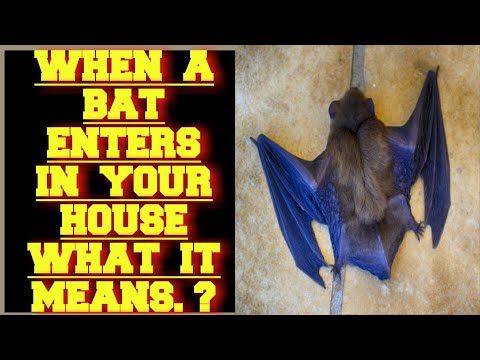
When you notice bats around your home, recognizing the signs and understanding why they are there is crucial. Identifying bat roosts can help you check for potential infestations, and knowing the reasons behind their entry can guide effective prevention.
Identifying Bat Roosts
To spot a bat roost, look for bat droppings or guano. These droppings resemble mouse droppings and may be found near entry points. If you see a buildup around windowsills, porches, or inside your attic, that’s a strong indication.
You might also notice grease marks on walls or entry areas where bats come in and out. These marks are left by their bodies as they squeeze through small openings. Additionally, listen for strange noises at dusk or dawn, such as chirping or scratching sounds, which can signal that bats are in the area or even in your attic.
Reasons Bats Enter Homes
Bats usually seek shelter for safety and warmth. Your attic offers a quiet, dark space that’s ideal for roosting. They often enter through small entry points in the roof or walls.
Remember that bats are drawn to areas where food is plentiful. If your home is near water or has lots of insects, they might find it appealing. Another reason for their presence could be an existing bat problem in the area. If you find signs of bats in your house, it’s important to address the situation promptly to avoid bigger issues down the line.
Addressing a Bat Infestation
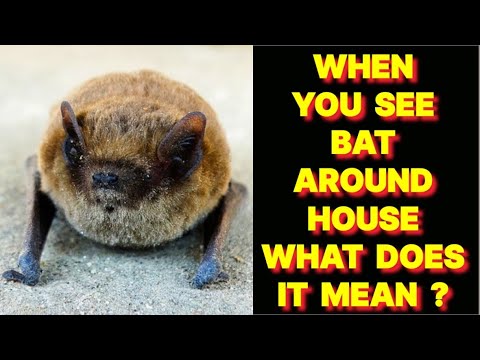
If you notice bats flying around your home, it’s important to understand safe removal techniques and preventative measures. Taking the right steps can help resolve the issue without harm to the bats or your property.
Safe Removal Techniques
When dealing with a bat infestation, safe removal is key. First, ensure you do not attempt to touch or handle the bats. Instead, call a professional pest control service that specializes in bat removal. They have the tools and knowledge needed to do the job right.
Before the removal process, check the area for dead bats, as these can pose health risks. Specialists will often use live traps to capture the bats without hurting them. They’ll then safely relocate the bats to a suitable environment away from homes.
Timing is also crucial. It’s best to remove bats during late summer or early fall, as these are the months when young bats are more likely to fly. This approach minimizes disturbances to their natural behavior.
Preventative Measures
After removing the bats, take steps to prevent them from returning. Start by sealing any gaps and holes in your roof and walls. Bats can squeeze through openings as small as 1 inch. Check areas around vents, chimneys, and siding.
Regularly inspect your property for signs of bats, such as guano or scratch marks. Keeping your windows and doors closed at dusk and night will also help deter them.
Consider using bat houses in your yard. These can attract bats away from your home by providing them with a safe roosting space. Remember, maintaining a clutter-free attic or storage area will make your home less appealing to bats searching for a nesting site.
Health Risks and Safety Information

Having bats around your house may raise some health concerns. It’s important to be aware of potential diseases and how to handle waste properly to keep your living space safe.
Potential Diseases from Bats
Bats can carry various diseases, and rabies is one of the most serious. If a bat bites you or you come into contact with its saliva, it can transmit the virus. Rabies is often fatal if not treated quickly.
Another disease to be cautious of is histoplasmosis, which comes from bat droppings. When guano dries, it can release spores into the air that you can inhale. This respiratory illness can cause flu-like symptoms and severe complications in some cases.
It’s essential to monitor for bat activity, especially the big brown bat, which is common in many areas. If you suspect a bat is sick or acting strangely, contact a wildlife professional immediately for assistance.
Dealing with Bat Waste
If you discover bat guano in or around your home, take precautions. Bat droppings can create health risks. Always wear protective gear such as gloves and masks when handling waste.
Cleaning bat droppings requires careful work to avoid inhaling dust. Use a spray to moisten the waste before removal to minimize airborne particles. Dispose of guano in sealed bags and clean the area thoroughly afterward.
Bat urine can also pose problems, so consider contacting professionals for cleanup. They have the knowledge and tools to address the mess safely. Regularly check your home for signs of bat activity to keep health risks at bay.


