
When you think of bats, you might picture them hanging upside down or flying through the night sky. These fascinating creatures belong to a specific group in the animal kingdom.
The scientific order that includes all bat species is called Chiroptera. Understanding this classification can help you appreciate the diversity and role of bats in our ecosystem.

Bats are more than just a unique animal; they play vital roles in various environments. They are known for their ability to control insect populations and pollinate plants. As you delve into the world of bats, you’ll find that they are truly remarkable mammals with a rich history in the taxonomy of wildlife.
By learning about bats and their classification, you can gain insight into their importance in nature. This knowledge can spark your interest in their conservation and the many ways they contribute to our ecosystem. The more you know about Chiroptera, the more you’ll appreciate these fascinating flyers.
Taxonomy and Species Identification

Bats belong to a specific scientific classification known as taxonomy. This helps you understand the different species and their unique traits.
Knowing the taxonomy is essential for identifying various bat species and understanding their roles in ecosystems.
Understanding Bat Taxonomy
Taxonomy organizes living things into categories. Bats fall under the order Chiroptera. This order is divided into two main groups: Megachiroptera (fruit bats) and Microchiroptera (insect-eating bats).
In the United States, you may come across various bat species, such as the Indiana bat (Myotis sodalis), Virginia big-eared bat, and Northern long-eared bat. Taxonomic studies help researchers classify these species and understand their relationships. It’s important for conservation efforts as well, especially for species that are threatened or endangered.
Diverse Bat Species
There are more than 1,400 bat species worldwide, showcasing a wide range of sizes, diets, and behaviors. In the U.S., the Florida bonneted bat is one of the largest. Meanwhile, the Ozark big-eared bat and Virginia big-eared bat have specific ranges and habitats they prefer.
Some species are recognized by distinct characteristics. For instance, the Indiana bat has a unique coloration and roosting behavior. Understanding these traits helps you identify different bats easily and appreciate their roles in the ecosystem, whether as pollinators or pest control agents.
Ecological Importance of Bats
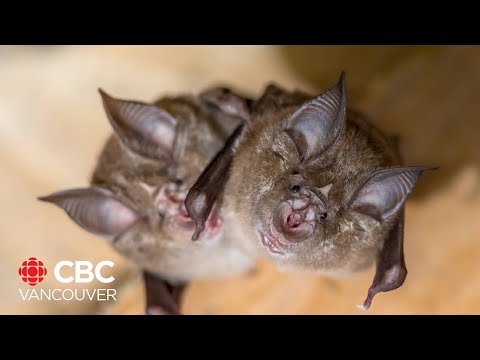
Bats play a vital role in maintaining healthy ecosystems. Their contributions to seed dispersal, pollination, and pest control are essential for various plants and agricultural systems.
Seed Dispersal and Pollination
Bats are key players in seed dispersal. When they eat fruits, they help scatter the seeds in their droppings, promoting plant growth across different areas. This process supports forest regeneration and biodiversity.
Many bat species also contribute to pollination. As they feed on nectar, bats transfer pollen from flower to flower. This helps plants reproduce and produces fruits that many animals, including humans, rely on. For example, bats are important pollinators for plants like agave, which is used to make tequila.
Bats as Pest Controllers
Bats are natural pest controllers. They consume large quantities of insects each night, including agricultural pests.
By reducing pest populations, bats help farmers save money and decrease the need for pesticides.
This biological pest control supports sustainable farming practices. For every bat that eats insects, they can consume thousands of pests each night. This creates a healthier ecosystem while benefiting crops. Protecting bats contributes to a balance in nature, making them vital allies for both the environment and agriculture.
Threats and Conservation Efforts

Bats are facing several significant threats, with many species becoming endangered. Understanding these threats and the conservation efforts in place to protect bats is crucial for their survival and our ecosystem.
Endangered Bats and their Protection
Many bat species, such as the Northern Long-eared Bat, have been listed as endangered. The Endangered Species Act provides legal protection for these bats. This legislation ensures that any projects affecting their habitats go through a review process.
This is especially important for areas like hibernacula and maternity colonies, where bats breed and find safety.
The wildlife and countryside act is another layer of protection. It makes it illegal to disturb bats in their natural roosts. Notably, protection efforts focus on addressing threats like white-nose syndrome, a disease that has devastated bat populations.
Human Impact on Bat Habitats
Human activities greatly impact bat habitats. Urban development, logging, and agricultural practices can destroy or disrupt bat roosts. Loss of habitat is a leading cause of declining bat populations.
When areas become less suitable, bats may struggle to find places to live and breed. You might find bats roosting in old buildings or trees, but fewer natural spaces mean less wildlife diversity. Protecting and restoring these habitats is essential to support bat conservation efforts.
Conservation and Legal Protection
Conservation initiatives focus on protecting bats and their habitats. Various programs, such as the Wildlife Diversity Program, aim to monitor bat populations and promote awareness about their importance.
These programs gather data to help implement effective conservation strategies.
Legal protections under acts like the Endangered Species Act and Conservation of Habitats and Species Regulations guide how we manage and protect bat populations. You can support these efforts by advocating for bat-friendly practices, like preserving natural habitats and reducing pesticide use, which can harm bats directly or indirectly.
Understanding Bat Behaviour

Bats show unique behaviors, especially since they are nocturnal creatures. Their survival strategies include echolocation for hunting and specific roosting habits. Let’s dive into these fascinating characteristics.
Echolocation and Nocturnal Habits
Bats are mostly nocturnal, meaning they are active at night. This adaptation helps them avoid predators and take advantage of an abundance of insects.
They use a special skill called echolocation to navigate in the dark.
Hibernation and Roosting Patterns
During colder months, many bat species hibernate to conserve energy. Hibernating bats enter a state of deep sleep, reducing their metabolic rate and heart rate. This allows them to survive on stored fat until warmer weather returns.
In terms of roosting, bats prefer dark and sheltered places, known as bat roosts. These can be caves, hollow trees, or even attics in buildings. The roost provides safety from predators and a comfortable environment for raising young. Bats also produce guano, which can accumulate in their roosts and serve as a fertilizer.
Understanding these behaviors is essential for appreciating how bats thrive in their environments.


