
Bats can be intriguing creatures, but finding one inside your home can be alarming. Bats typically get into houses through small openings, like gaps around windows, doors, or roofs, and even vents. Understanding how they enter can help you prevent these uninvited guests from making themselves at home.

These animals are great at squeezing through tight spaces. They often look for places to roost during the day, especially in attics or crawl spaces. Once they find a way inside, they can cause some concern, not to mention potential health risks. Recognizing the entry points is an important step in keeping your home bat-free.
If you’re curious about how to keep bats out or what to do if they find their way in, you’re not alone. Many homeowners face this challenge, and there are effective solutions available to ensure your home stays safe and comfortable.
Understanding Bat Behavior and Habitats
Bats are fascinating creatures that thrive in many environments. Knowing where they live and why they might choose to enter your home can help you deal with any potential bat issues.
Habitats of Different Bat Species
Bats can be found in a variety of habitats. Some prefer caves, where they can roost in large groups. Others like trees, especially in warm areas. Many bat species also seek shelter in buildings, including attics and chimneys.
Bats need dark, quiet places to rest during the day. They are drawn to locations that provide warmth and protection from predators. If your home offers these features, it may attract bats looking for a cozy place to roost.
It’s important to be aware of which species are common in your area. This knowledge can help you take steps to prevent a bat infestation before it starts.
Why Bats Enter Human Dwellings
Bats may enter homes for several reasons. They often seek shelter from bad weather, predators, or disturbances in their natural habitats. Your attic might seem like the perfect spot for them to stay safe and warm.
A common reason for bat entry is the search for food. Bats feed on insects, and if your home is near a food source, the chances of them finding their way inside increase.
If you notice bats flying around your home, it’s essential to determine how they got in. Look for cracks, holes, or gaps that could serve as entry points. These could be found in rooflines, vents, or around the chimney. Keeping your home sealed can help prevent these curious creatures from entering.
Common Entry Points for Bats in the House

Bats can find their way into your home through various entry points. Understanding these spots can help you prevent an unwanted visit. Here are some common areas to check.
Identifying Vulnerable Areas
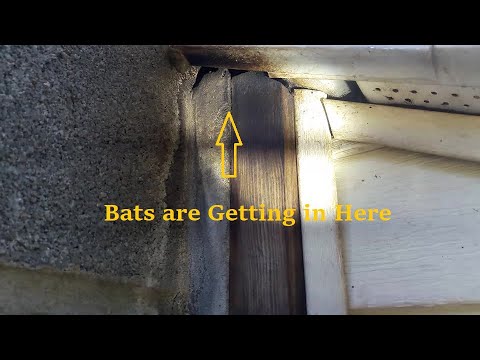
Look for places around your home that may be weak spots. Bats often enter through tiny gaps or cracks in the exterior. Inspect areas such as:
- Roof edges: Gaps here are frequent entry points.
- Soffits: These can sometimes be poorly sealed, allowing bats to slip in.
- Fascia boards: A loose or damaged board can create an opening.
You should pay close attention to older homes where wear and tear may be more evident. Sealing these areas can significantly reduce the risk of bats entering.
Structural Gaps and Openings
Small openings are a common way for bats to access your home. They can squeeze through gaps as small as 1/4 inch. Key areas to check include:
- Cracks in siding: Inspect your siding for any gaps.
- Around windows and doors: Look for poorly sealed frames or missing weather stripping.
- Attics and basements: These often have unsealed vents or gaps from utility lines.
Make sure to fill any openings with durable materials to prevent entry. Bats can be quite determined, so nothing should be overlooked.
Windows, Doors, and Vents
Windows and doors need to be secured to keep bats out. Here are some tips to consider:
- Ensure windows are closed or fitted with screens to avoid open access.
- Check doors: Keep them closed or install self-closing mechanisms.
- Vents: Unsealed vents can be a pathway for bats. Cover them with mesh to block entry.
If you notice any signs of bats, such as droppings or scratching noises, take immediate action to investigate these potential points of entry.
Health Risks and the Importance of Timely Bat Removal

Bats can pose serious health risks if they invade your home. It’s crucial to recognize these risks and understand why timely bat removal is necessary for your safety.
Potential Diseases Transmitted by Bats
Bats can carry several diseases that may affect humans. The most notable one is rabies, which can be transmitted through bites or scratches. If you’re bitten, it’s important to seek medical help immediately.
The risk of rabies is relatively low, but it’s not to be ignored. Always consider contacting professionals for bat removal if you suspect bats in your home.
Another disease linked to bats is histoplasmosis. This respiratory illness is caused by a fungus found in bat droppings, or guano. Breathing in spores from contaminated dust can lead to serious health issues. Protect yourself by wearing a mask and avoiding contact with bat droppings.
The Hazards of Bat Guano
Bat guano can be more than just a nuisance; it poses significant health risks. The droppings can accumulate in attics or other areas of your home, leading to structural damage over time.
The fungus in guano can trigger histoplasmosis, particularly when disturbed. This can happen during cleanup or renovations. It’s essential to handle bat droppings carefully, ideally by professionals trained in safe removal practices.
Keeping your home safe involves removing guano properly to avoid the health risks it poses. Removing it promptly protects both your home and your health. Avoiding these droppings is crucial for maintaining a safe living environment.
Professional Bat Removal and Prevention Strategies

If you find bats in your home, it’s important to employ humane methods for removal and prevention strategies that can keep them out for good. Focus on understanding the most effective approaches tailored to your situation.
Choosing Humane Bat Removal Techniques
When dealing with bats, always consider humane bat removal techniques. Contact professional pest control or wildlife control services that specialize in humane methods. These experts often use traps that safely capture bats without harming them.
Key techniques include:
- Echolocation Devices: Wildlife professionals may use devices that mimic natural predators, encouraging bats to leave.
- Exclusion Methods: Closing off entry points once bats have exited ensures they can’t return.
- Bat Houses: Suggesting bat houses nearby can help redirect them to a suitable home.
These methods keep bats safe and help restore your comfort.
Preventative Measures for Homeowners
Preventing bats from entering your home is equally important. You can start by sealing potential entry points like roof vents, chimney caps, and gaps in insulation.
Additional steps include:
- Check Eaves and Roofs: Inspect your roof and eaves for cracks or holes, and fill any openings.
- Trim Trees: Keep branches trimmed away from your roof to discourage bats.
- Lighting: Bright lights near entrances can deter bats from coming close.
Using these measures not only protects your home but also helps create a more welcoming environment for you and your family while keeping bats safely away.


