
Bats are fascinating creatures that play important roles in our ecosystem. You might wonder how quickly bats multiply. Bats generally have one of the slowest reproductive rates among small mammals, typically producing only one or two pups each year. This slow rate of reproduction is influenced by their reproductive strategies, which help ensure the survival of their young in often challenging environments.

Understanding bat reproduction can help you appreciate these animals even more. While they are known for their flying skills and unique behavior, their breeding cycle is quite different from many other small mammals you might think of. So if you’re curious about how bats manage their populations and what that means for the environment, stick around as we explore more about these amazing animals!
Understanding Bat Reproduction
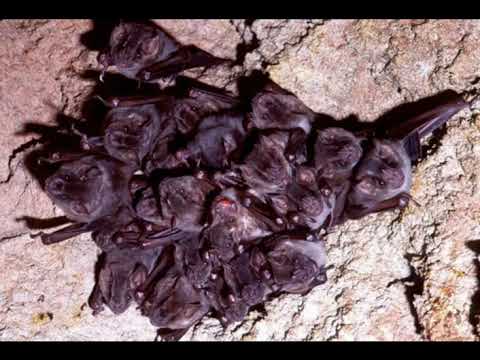
Bats have fascinating and complex reproduction habits. Knowing how they mate and care for their young can help you appreciate these unique creatures even more.
Bat Mating Behaviors
Bats typically mate in spring when temperatures rise. During this time, male bats perform various displays to attract females. These displays can include vocalizations, flying patterns, and even scent marking.
Once a female chooses a mate, copulation occurs. Many bats are known to engage in a behavior called “copulatory plugs.” This ensures that no other males can mate with the female after she has mated.
After mating, female bats store sperm until conditions are favorable for fertilization. This allows them to time the birth of their young for the best survival chances.
Gestation Period and Maternity Colonies
The gestation period for bats varies by species. It typically lasts from six weeks to six months.
Female bats often form maternity colonies during this time, gathering together to give birth and raise their young. These colonies can be quite large, providing benefits like increased warmth and protection from predators.
In these groups, females support each other through nursing and caring for the newborns. This cooperative care is crucial for the survival of the young bats, which are born in an altricial state, meaning they are helpless and rely entirely on their mothers.
Birth and Development of Young Bats
When baby bats, also known as pups, are born, they are small and hairless. The birth usually happens in a safe, warm area within the maternity colony.
After birth, maternal care is vital. Mothers feed their pups with nutrient-rich milk, and they regularly handle them to keep them warm.
Pups grow quickly and usually become independent in six weeks to four months, depending on the species. This fast development ensures that they can find food and survive on their own as soon as possible.
Reproductive Strategies and Mating Systems

Bats employ various reproductive strategies and mating systems that influence how they mate and raise their young. Understanding these systems helps you appreciate the diversity of bat behavior.
Monogamy Versus Polygamy
Some bat species choose to form monogamous pairs, where a male and female bond for breeding. This is less common but can lead to strong partnerships. In these pairs, both parents work together to raise their offspring.
On the other hand, many bat species practice polygamy. In these cases, males may mate with multiple females during the breeding season. This allows for a greater chance of passing on their genes. Mating behaviors can vary greatly among species, influenced by their social structure and environment.
Delayed Fertilization Techniques
Bats have unique reproductive habits, including delayed fertilization. Some females can store sperm for months after mating before fertilization occurs. This is particularly important for species living in regions with fluctuating food availability.
This technique helps ensure that young are born during times when conditions are best for survival. It allows bats to time their births to match with the abundance of food resources, increasing the chances of survival for the young bats. Different species may use these techniques in varying ways, highlighting the adaptability of bats across their habitats.
Bats in the Human Context

Bats play a unique role in our environment, but their presence in human spaces can cause concern. Understanding how to deal with bats can help you maintain a safe living area while respecting wildlife.
Bat Exclusion and Animal Control
Bats are nocturnal animals that may enter homes searching for a safe roost. If they find a suitable spot, such as an attic or wall space, they can multiply quickly. To prevent this, consider bat exclusion services. These experts seal entry points and ensure bats cannot return.
When dealing with a bat problem, it’s essential to work with an animal control expert. They can assess your home and recommend solutions tailored to your situation. Exclusion should be done during non-breeding seasons to avoid harming baby bats.
Bats and Human Health
Bats can be carriers of the rabies virus and other harmful diseases. While not all bats are infected, it’s wise to avoid direct contact. If a bat enters your home, do not attempt to handle it. Instead, contact a professional.
Rabies is fatal if untreated, so it’s important to keep your environment safe. Public health officials often alert communities about the risks associated with bats. You can minimize exposure risks by keeping doors and windows closed and securing food sources.
Taking precautionary steps will help protect both your family and the local bat population.
Creating a Bat-Friendly Environment

Creating a welcoming environment for bats can greatly support their population growth. You can take specific actions at home to make it more suitable for these important creatures.
Importance of Bat Houses
Bat houses are an excellent way to provide shelter for bats. These structures offer a safe place for bats to roost during the day. Placing your bat house 12-20 feet off the ground is ideal.
Consider installing it on a pole or the side of your building. This height helps keep them safe from predators. Inside, bats prefer warm, dark areas, which you can create with proper design. Features like slats or rough wood help bats grip and roost better.
Adding a nearby water source is also beneficial. Bats need water for drinking and hunting insects. By providing both a bat house and water, you create a nurturing habitat that allows bats to thrive.
Factors Influencing Bat Population Growth
Several factors play a role in bat population growth. Food availability is crucial. Bats eat insects, such as moths and beetles. A healthy garden can provide enough food for them.
Planting flowers that attract insects can help boost their food supply.
Environmental conditions also matter. Bats prefer areas with natural shelters like trees or caves. You should aim to maintain these features in your yard or community.
Lastly, nursery colonies are essential for reproduction. Female bats often gather in bat houses to give birth and raise their young. Ensuring safe spaces for these colonies increases the chances of bat populations growing in your area.


