
Noticing strange noises at night? You might be wondering if you have bats in your home. Common signs that indicate you have bats include hearing chirping or squeaking sounds, finding droppings, or spotting them in your attic. Identifying these signs early can help you take the right steps to deal with the situation.

Bats can make themselves at home in various parts of your house, especially in attics or dark corners. If you’ve seen small openings in your walls or roof, they may be the way these creatures have entered.
By paying attention to your surroundings and being alert to changes, you can protect your space from these uninvited guests.
If you suspect a bat problem, it’s best to act quickly. The sooner you recognize the signs, the more options you have to resolve the situation. Keep reading to learn more about the signs to watch for and how to effectively handle a bat presence in your home.
Identifying Signs of Bats in Your Home
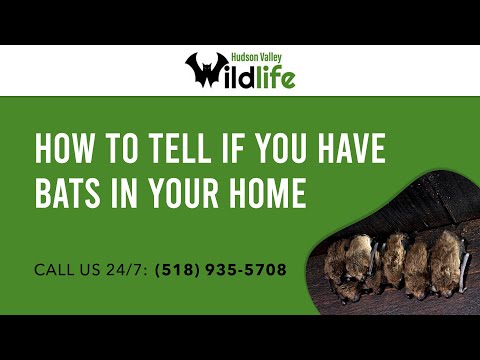
When it comes to spotting bats in your house, observing visual evidence and paying attention to sounds and smells can help you confirm their presence. Here’s what to look out for.
Visual Evidence of Bats
Look for signs like brown stains on walls or ceilings. These can come from bat droppings, known as guano. Guano can collect near entry points or roosting areas.
You might also notice rub marks around cracks or holes outside your home. These marks can appear when bats enter or exit. If you see bats flying around your property at dusk or dawn, they may be nesting nearby.
Finally, keep an eye out for actual bats clinging to walls or ceilings in hidden areas like attics or crawl spaces. The more evidence you find, the higher the chance of a bat infestation.
Audible and Olfactory Clues
Bats might be quiet during the day, but listen for scratches or squeaks at night. These sounds often indicate their presence. If you hear noises coming from walls or the attic, it’s a sign bats could be roosting there.
Additionally, a persistent, unpleasant smell might fill your living space. This odor comes from bat guano and can be stronger in enclosed areas. If you notice any of these signs, it’s wise to investigate further, as it points to possible bat activity in your home.
Understanding Bat Behavior and Risks

Bats are fascinating creatures with unique behaviors that can sometimes pose risks to your home and health. Knowing how bats fly and where they like to roost is essential for identifying their presence. Additionally, being aware of health concerns related to bats can help keep you safe.
Bats Flying Patterns and Habitats
Bats are nocturnal mammals, which means they are most active at night. They use echolocation to navigate and find food, which allows them to detect insects efficiently. Bats can often be seen flying in erratic patterns as they hunt for dinner.
You may find bats roosting in dark, secluded areas like attics, basements, or even chimneys. Urban areas often attract bat populations looking for shelter. If you notice bats flying around your home or entering through openings, it’s a clear sign they’ve found a place to stay.
Health Risks Associated with Bats
While bats can be beneficial by controlling insect populations, they also carry risks. One major concern is rabies. Although not all bats have this virus, it is serious and can be transmitted through bites or scratches.
If you find dead bats in or around your home, it’s crucial to handle them with care. Bat droppings, or guano, can also pose health risks. Accumulation of guano can lead to airborne diseases, such as histoplasmosis. Always contact professionals if you suspect a bat infestation to ensure safety and proper removal.
Dealing with a Bat Problem

If you suspect bats are visiting your home, it’s important to act quickly. Identifying where they enter and considering professional solutions is key to resolving this issue.
Inspecting for Entry Points
Start by examining your home for possible entry points. Bats can squeeze through gaps as small as ⅜ inch. Common areas to check include:
- Roof eaves
- Vents
- Chimneys
- Gaps in siding and windows
While inspecting, take note of any signs like bat droppings or staining from bat urine. These can indicate frequent entry points. If you find access holes, try to seal them temporarily with a light cover, but wait for a professional to confirm if bats are gone before sealing.
Professional Bat Removal Solutions
When dealing with a bat problem, you should contact a wildlife removal company. Professionals use humane wildlife control methods to ensure safe removal.
A wildlife control expert will assess your situation and determine the most effective removal strategy. They can:
- Safely relocate bats without harm
- Seal entry points with durable materials
- Clean areas affected by bat droppings or urine to prevent health risks
Consider reaching out to a service like Skedaddle for specialized bat removal. They know how to tackle these situations well, giving you peace of mind while keeping your home safe.


