
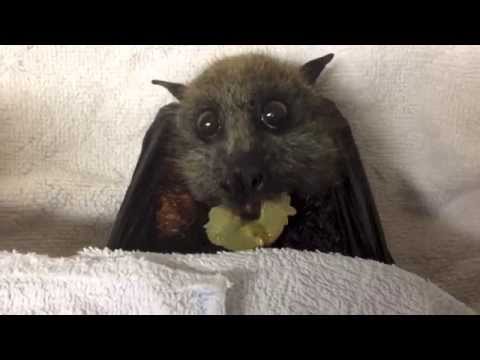
If you’ve ever wondered about the eating habits of bats, you might be surprised by the variety in their diets. While many bats are known as insectivores, feasting on insects like moths and beetles, that doesn’t mean fruit is off the menu. Yes, some bats, particularly fruit bats, will eat grapes and other types of fruit.

Fruit bats love to munch on grapes and other juicy fruits. They play an important role in spreading seeds and helping plants grow. If you’ve seen a bat enjoying a grape, you might have witnessed nature’s way of keeping ecosystems healthy.
In this article, you’ll explore which bats eat grapes, why they are drawn to fruits, and how these playful creatures impact your favorite vineyards. So, stick around to learn more about these fascinating flying mammals and their tasty treats!
Understanding Bats and Their Diet

Bats have a unique place in the animal kingdom. Their diet varies greatly depending on species, and it plays an important role in their ecosystems. Understanding what bats eat helps in appreciating their ecological contributions.
Dietary Habits of Bats
Bats primarily consume insects, with some species eating fruits or nectar. Insect-eating bats are crucial for pest control as they can eat a large number of insects in one night.
For instance, one bat can consume up to 1,500 insects, reducing pest populations significantly.
Some bats, like fruit bats, focus on fruits and nectar. This diet not only allows them to get energy but also enables them to aid in pollination. When they feed, they help pollinate many plants, which is essential for healthy ecosystems.
The Variety Within Bat Species
There are over 1,400 species of bats worldwide. This variety means their diets can be very different. You have carnivorous bats that eat small animals and fish. Then you have others, like honey bats, that love nectar.
Some bats play a role in seed dispersal. When they eat fruits, they spread the seeds in different locations through their droppings.
This helps plants grow in new areas, promoting biodiversity. Each bat species fits into the ecosystem in its unique way.
Understanding these dietary habits highlights the importance of bats in both local and global environments. They are indeed fascinating creatures with vital roles!
Bats as Pollinators and Seed Dispersers
Bats play a vital role in maintaining healthy ecosystems. As pollinators and seed dispersers, they contribute to the growth and sustainability of many plants, including fruits that you enjoy.
Pollination by Bats
Bats are important pollinators, especially in tropical and subtropical regions. They often visit flowers at night, feeding on nectar from various plants.
This makes bats unique pollinators since most pollination happens during the day by insects or birds.
For example, many species of fruit bats are attracted to large, fragrant flowers that bloom at night. As they move from flower to flower, they collect pollen on their fur and transfer it to other blooms.
This helps with reproductive processes in plants, allowing them to produce fruits that are essential for other wildlife and people.
Seed Dispersal and Its Importance
Seed dispersal is another critical role bats play in ecosystems. When bats eat fruits, they consume the seeds inside. After flying around, they excrete the seeds, often far from the parent plant.
This process allows seeds to find new places to grow. The distance seeds travel can help ensure plant diversity and spread.
In fact, many plants rely on bats for their seeds to germinate successfully.
Bats contribute significantly to forest health and regeneration. They help in maintaining the balance necessary for thriving ecosystems. You might not see bats regularly, but their work supports an abundance of life around you.
The Role of Bats in Pest Control

Bats play an important role in keeping pest populations in check. Their eating habits help reduce the number of harmful insects that can damage crops and disturb ecosystems. Understanding how bats contribute to pest control can benefit both agriculture and the environment.
Bats as Natural Pest Controllers
Bats are natural predators of many pest insects that can harm your garden or crops. They primarily consume insects like mosquitoes, moths, beetles, and crickets.
This includes specific pests such as corn earworm moths and cucumber beetles, which are common threats to agricultural fields.
A single bat can eat its body weight in insects in a night, showcasing their efficiency in controlling pests.
For example, the little brown bat is known for its voracious appetite, making it a valuable ally for farmers. By supporting bat populations, you can enhance natural pest control without relying solely on pesticides.
Impact on Agricultural Pests
The impact of bats on agricultural pests is notable. Studies show that bats can significantly reduce the number of harmful insects in farming areas.
Their nightly foraging helps decrease populations of crop pests, which can save farmers money on pest control methods.
Bats contribute approximately $3.7 to $53 billion in agricultural pest control across the U.S. They help maintain a balance in the ecosystem by controlling pest populations.
This means fewer pesticides may be needed, leading to a healthier environment and safer food production. Encouraging bat habitats can lead to a more sustainable approach to farming.
Creating a Bat-Friendly Environment

Creating a bat-friendly environment is essential for attracting these helpful creatures to your yard. By focusing on proper housing and enhancing their ecosystem, you can encourage bats to visit your area and assist with natural pest control.
Installing a Bat House
A bat house is a great way to provide a safe roosting space for bats. When choosing a bat house, look for one designed for your local bat species.
Installing it at least 10 feet high on a pole or a building is ideal.
Bats prefer houses that face south or east to catch the morning sun. You can build or purchase bat houses, and it’s best to install them in quiet areas away from direct light and strong winds.
Remember to clean the bat house annually to maintain a healthy environment for your winged visitors. Providing a bat house ensures they have a cozy spot to roost and helps you enjoy their presence as they use echolocation to navigate night skies.
Enhancing the Ecosystem for Bats
To create a welcoming environment for bats, enhance your backyard’s ecosystem.
Start by planting native, night-blooming flowers, like evening primrose and phlox. These plants attract insects, serving as food for bats.
Also, maintaining a water source can be beneficial. Consider adding a small pond or a birdbath.
Reducing pesticide use is important too, as chemicals can harm bats and their food sources.
Lastly, leave some areas of your yard undisturbed. This natural habitat is perfect for nocturnal animals and contributes to the local ecosystem.
By making these changes, you’ll create a friendly environment that encourages bats to thrive.


