
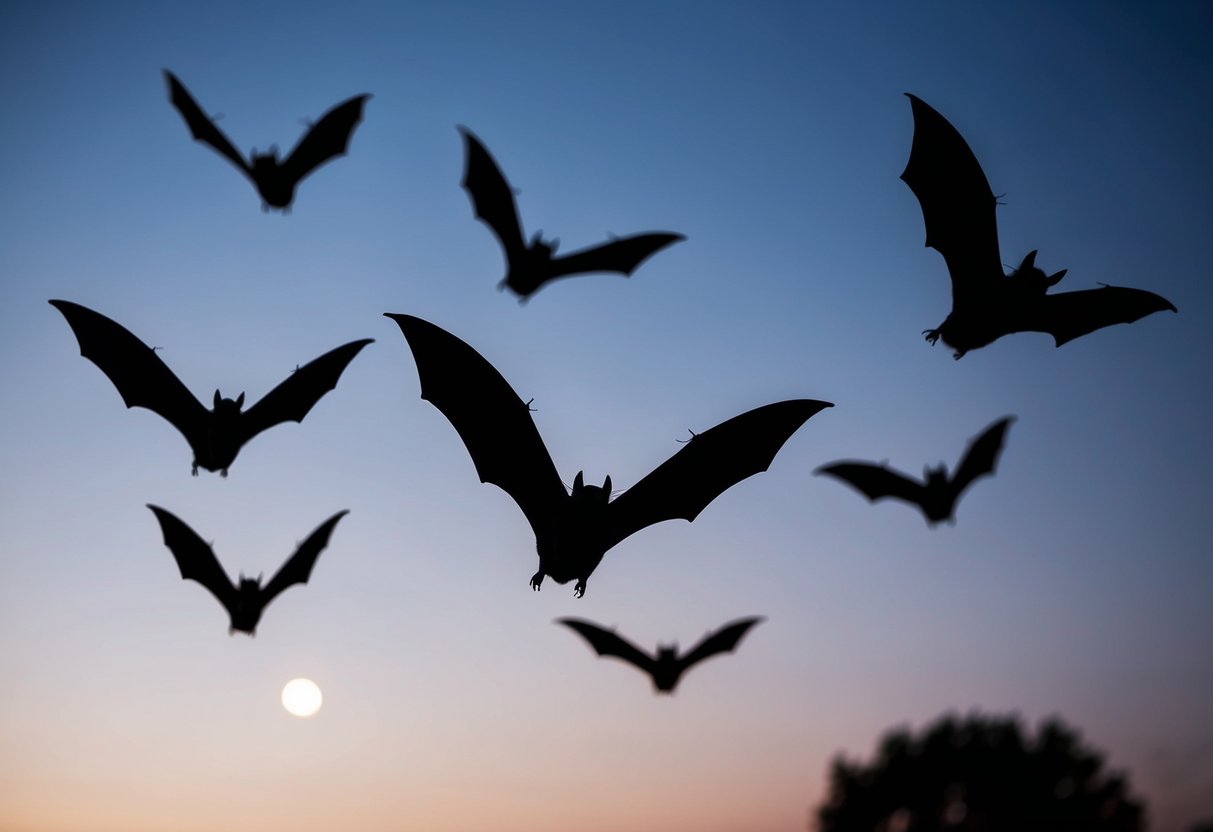
If you’re curious about when to spot bats, you’re in for a treat. Bats are most active at night. They typically emerge from their roosts around dusk and continue their activity until dawn. This is the best time to watch them as they swoop through the sky in search of food.
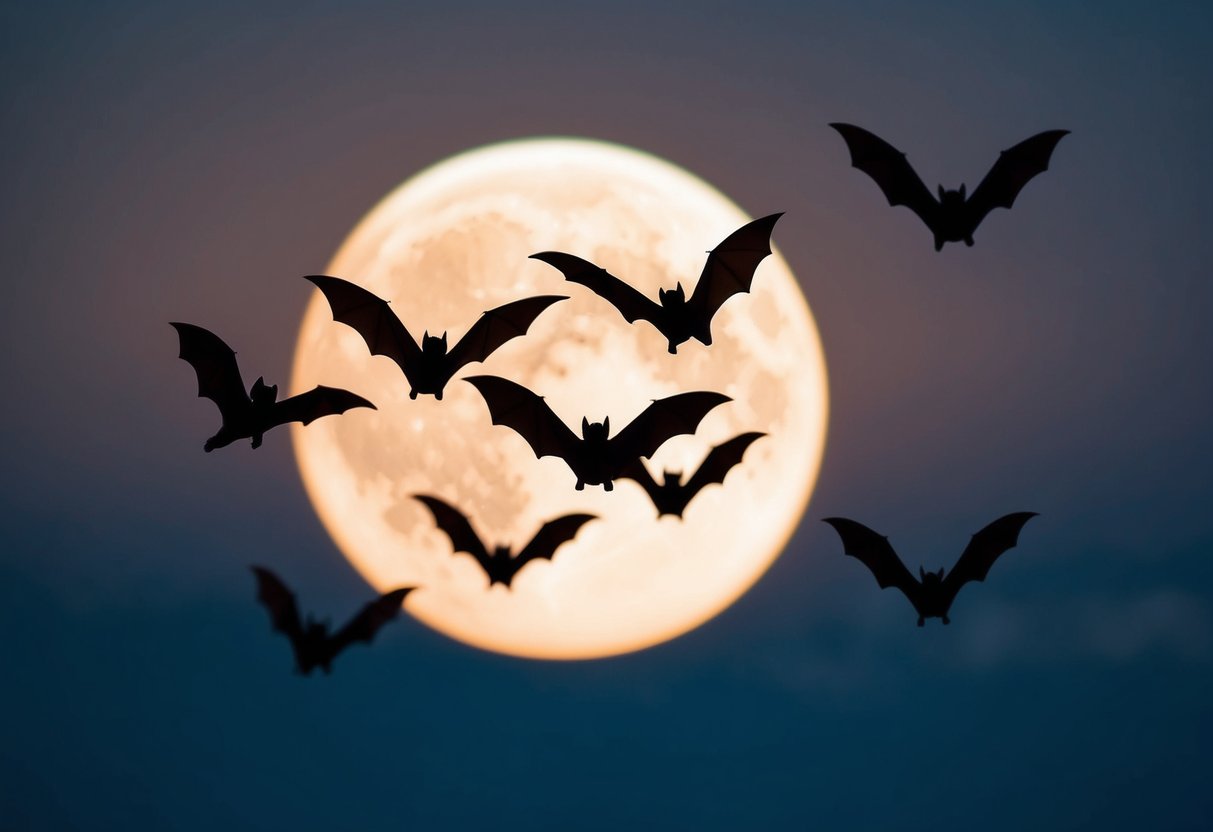
As the sun sets and darkness falls, you may notice these fascinating creatures taking flight. They often gather in the area where they feel most comfortable, like near caves or trees, and begin their night of feeding. You might catch them darting through the air, making them both fun to observe and important for the ecosystem.
Whether you are hoping to catch a glimpse of bats near your home or on a special outing, knowing when they come out can enhance your experience. Understanding their habits can connect you with nature in a whole new way.
Understanding Bat Behavior
Bats have unique behaviors that help them thrive in their environments. They mostly come out at night and rely on special skills to navigate and find food. Let’s explore their nocturnal nature and how they use echolocation.
Nocturnal Nature of Bats
Bats are primarily nocturnal, meaning they are most active during the night. As the sun sets, you may start to see these fascinating creatures flying around. This nighttime activity helps bats avoid many daytime predators while they hunt for insects.
Hunting at night allows them to capitalize on the abundance of insects that are also active during these hours. Bats are energy-efficient hunters. They can cover large areas while searching for food, which is crucial because they need to eat a lot to sustain their energy.
In colder months, some bat species hibernate to survive when food is scarce. During hibernation, their body functions slow down to conserve energy. In spring, they emerge and resume their nighttime routines to raise their young.
The Role of Echolocation
Bats have a remarkable adaptation called echolocation. This skill allows them to “see” their environment using sound. As they fly, they emit high-frequency sounds that bounce back from objects, helping them determine size, shape, and distance.
This technique is vital for hunting in the dark. It ensures they can catch insects mid-flight without crashing into obstacles. You might be surprised to learn that some bats can detect objects up to 10 meters away!
Echolocation also aids in navigation. By analyzing the returning sound waves, bats can avoid dangers in their surroundings. This skill is crucial for their survival at night when visibility is low. With echolocation, bats can thrive and remain active in their preferred nighttime world.
Bat Activity From Dusk to Dawn
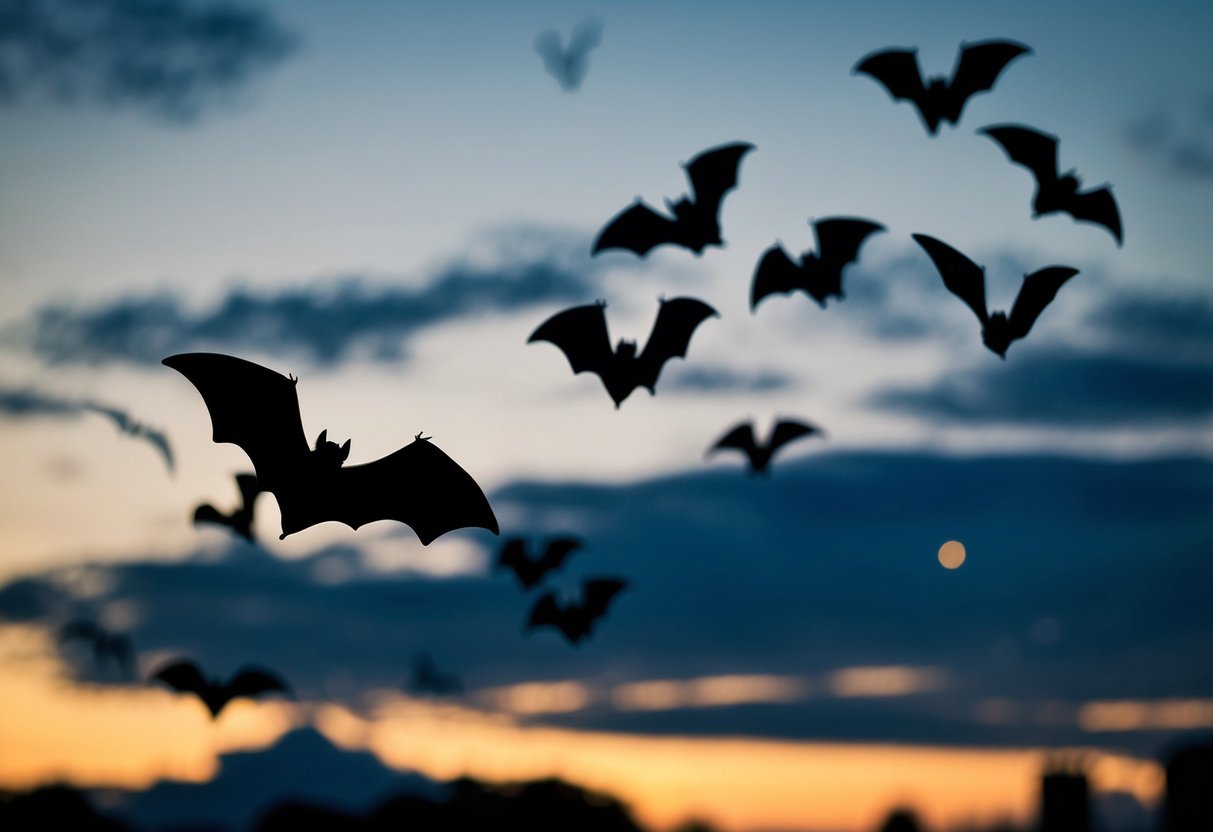
Bats are fascinating creatures that come alive at night. Their activity ranges from feeding and foraging to finding safe places to rest. Understanding these behaviors gives you a better appreciation for these nocturnal animals.
Feeding and Foraging Patterns
At dusk, bats begin their nightly routines. They venture out from their roosts in search of food. Most bats are insectivorous, meaning they primarily eat insects. You might see them catching moths and beetles in mid-air.
Bats use echolocation to navigate and hunt. This skill allows them to find prey even in complete darkness. They can consume a large amount of insects in a single night. In fact, a small bat can eat up to 1,000 mosquitoes in just one hour!
As the night progresses, the feeding frenzy continues. Bats often take short breaks, resting for a few minutes before heading out again. Their night lasts from dusk until dawn, maximizing their chances to find food.
Identifying Bat Roosts
During the day, bats need a safe place to roost. You can find them in dark, hidden spots like caves, tree hollows, or even in bat houses that you might see in backyards. These locations help them conserve energy by resting.
Bats leave small signs of their presence. Guano, or bat droppings, is often found near their roosts. This droppings can be a good indicator of where bats live. Knowing where to look can help you spot them when they become active at dusk.
Understanding bat roosts gives insight into their behavior and helps you appreciate their role in the ecosystem. By providing bat houses, you can attract them to your area, supporting their population and controlling insect pests.
Bat Habitats and Species
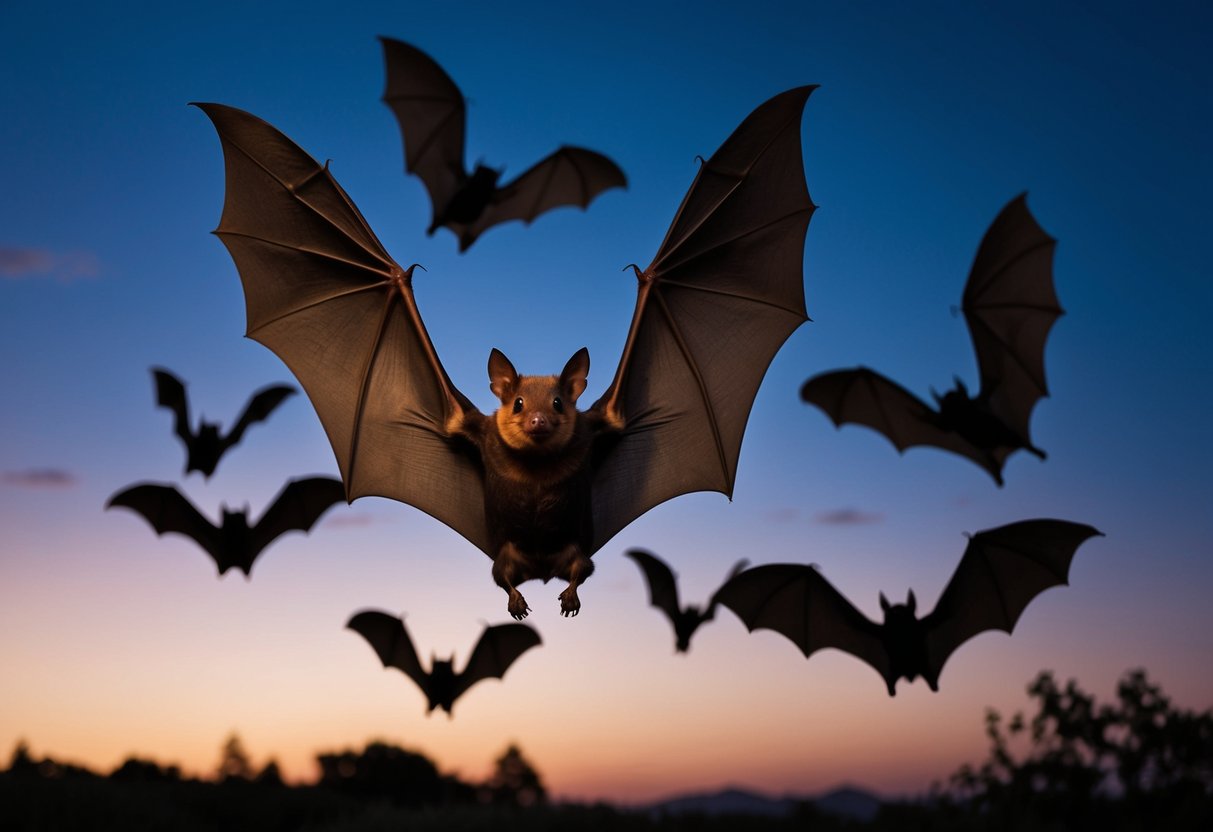
Bats thrive in various environments, each offering unique features that support their needs. Understanding these habitats and the diverse species that occupy them will enhance your appreciation for these fascinating creatures.
Common Habitats of Bats
Bats prefer habitats that provide food, water, and shelter. Common places you might find bats include:
- Caves: These offer cool and dark conditions, ideal for roosting. For example, Bracken Cave in Texas is home to millions of bats.
- Forests: Wooded areas provide plenty of insects for food.
- Urban Areas: You may spot bats in parks and around streetlights, where insects gather.
The little brown bat, also known as Myotis lucifugus, is common in the United States. They often roost in tree hollows and buildings. These habitats support their feeding patterns and social behavior.
Diverse Species Across Regions
Bats come in a variety of species, each adapted to its region. For instance, the Mexican free-tailed bat can be found from the southern United States to Mexico. These bats are known for their long migrations and are often seen foraging in open areas.
In different environments, specific species thrive. The little brown bat prefers cooler climates, while others thrive in warmer, drier conditions. Each species plays a vital role in the ecosystem, often controlling insect populations, which benefits agriculture and human health.
Interactions with Wildlife and Humans
Bats interact with various wildlife and humans in distinct ways. Knowing these interactions can enhance your understanding and appreciation of bats, as well as the role they play in the ecosystem.
Natural Predators of Bats
Bats have several natural predators that can impact their populations. Birds of prey, such as hawks, often hunt bats during their evening flights. Larger species of bats are sometimes at risk from snakes that may catch them while roosting. Raccoons are also known to raid bat colonies, especially when young bats, or baby bats, are present. These predators are essential in maintaining the balance of nature as they help regulate bat populations.
Benefits and Challenges in Wildlife Control
Maintaining bat populations can come with both benefits and challenges. Bats are excellent insectivores and play a vital role in controlling insect populations, especially pests like moths. Their natural pest control can dramatically reduce the need for chemical pesticides, benefiting gardens and crops.
However, conflicts may arise when bats roost in human structures. This can lead to issues such as noise, droppings, and potential health concerns like histoplasmosis. Wildlife control professionals can help manage these situations, ensuring both humans and bats coexist peacefully.
Attracting Bats for Natural Insect Control
You can attract bats to your area to benefit from their natural pest control. Installing a bat house can provide a safe habitat for both local and migrating species of bats.
Make sure to place the bat house in a sunny, high location. Bats are more likely to visit areas with ample food sources, so maintaining a natural habitat with fewer pesticides can help.
Using a bat detector can also enhance your experience. It allows you to listen to the fascinating echolocation calls of bats at night.
By fostering a friendly environment for bats, you contribute to a healthier ecosystem and enjoy their beneficial presence in your area.


