
Bats are fascinating creatures that often spark curiosity and concern. You might wonder if these animals can make their homes in yours. Yes, bats can indeed live in houses in the UK, often roosting in attics, roofs, or wall cavities.

Understanding whether bats might be residing in your home is important for both your safety and the well-being of these protected species. Bats usually seek shelter during the colder months and will often find refuge where there are gaps or openings.
By knowing the signs to look for, you can learn more about your home environment and how to manage any bat-related issues.
If you’ve seen bats flying around your property or noticed unusual sounds in your walls, it’s worth exploring further. This article will help you identify the signs of bats in your house and guide you on how to handle the situation responsibly while respecting these unique animals nestled in your neighborhood.
Understanding Bat Roosting Behaviors

Bats are fascinating creatures with unique roosting behaviors that you might find intriguing. They can adapt to various living conditions and often choose buildings as their roost sites. Understanding these behaviors is essential, especially if you suspect bats might be residing in your home.
Types of Bat Roosts
Bats typically roost in different places depending on their needs. The most common types include:
-
Day Roosts: These are places where bats sleep during the day. They prefer warm, sheltered spots like attics, roofs, and wall cavities.
-
Night Roosts: Bats may gather at night roosts for brief periods to socialize and rest. These can be found in open spaces near feeding areas.
-
Maternity Roosts: Female bats often form maternity colonies in sheltered areas to raise their young. This is crucial during the summer months when pups are dependent on their mothers.
Seasonal Roosting Patterns
Bats show distinct seasonal patterns in their roosting behaviors. During the summer months, many species, including the common pipistrelle, are active and roosting in warm areas. This is when they raise their young.
As the weather cools, bats prepare for hibernation. They seek out colder, more secluded spots, such as caves or abandoned buildings, where they can safely enter a state of dormancy.
Hibernation typically occurs from late autumn until spring. During this time, their metabolism slows significantly, allowing them to survive on stored energy.
Bat Species Commonly Found in UK Houses
Several bat species are known to roost in UK houses. Among the most common are:
-
Common Pipistrelle: A small bat that often roosts in buildings. It has a high-pitched call and is active in urban areas.
-
Lesser Horseshoe Bat: Prefers roosting in older buildings and is known for its rounded ears and small size.
-
Greater Horseshoe Bat: Larger than the lesser horseshoe bat, it roosts in similar habitats and is also found in buildings.
Knowing about these species and their roosting habits can help you understand how to manage a bat presence in your home.
Legal Protection of Bats and Their Roosts

Bats in the UK are protected by law, meaning they cannot be harmed or disturbed. Understanding these legal protections is important for you as a homeowner, especially if you suspect bats are roosting in your property. Here’s what you need to know.
Protected Species Status
In the UK, all bat species are classified as protected species under both domestic and European law. This means that you cannot capture, injure, or kill bats without a special license. Furthermore, their roosts are also protected from damage or destruction, whether they are active or not.
If you discover bats living in your home, it’s important to know that disturbing them can lead to legal consequences. The Bat Conservation Trust emphasizes that such actions can be considered a criminal offense. If you face issues with bats, contacting a statutory nature conservation organization is a good first step. They can guide you through the correct procedures.
Guidelines for House Owners
If you find bats in your house, here are some guidelines to follow:
-
Do Not Disturb: Avoid any activities that might disturb the bats, such as renovations, until you know the legal requirements.
-
Get Expert Help: Contact bat workers or bat conservation specialists. They can assess your situation and provide advice tailored to your circumstances.
-
Monitoring: Keep an eye on the situation without attempting to evict the bats. They may be roosting there for a reason, such as raising their young.
-
Educate Yourself: Learn about bat species that are common in your area and their habits. This knowledge can help you understand how to coexist better.
Following these steps will ensure that you are complying with the law while also being considerate of these important creatures.
Managing Bats in Houses and Buildings

Bats can occasionally roost in houses and other buildings in the UK. It’s important to know when to seek help and what responsible practices you can follow for managing these animals safely.
When to Seek Advice
If you find bats in your home, it’s wise to assess the situation. If bats have entered your living area, like a bedroom or sitting room, you should seek advice immediately. Even though bats are protected by law, the National Bat Helpline is available to provide guidance.
Understand that bats can come through very small openings, so it’s essential to find out how they accessed your space. If you suspect a bat roost is present in your attic or walls, contacting a professional is the best step.
Responsible Bat Management Practices
It’s crucial to manage bats humanely and effectively. One of the best practices is exclusion. This involves sealing off access points while allowing bats to exit safely. You can use materials like plastic mesh to create one-way exits.
Avoid DIY methods that could harm the bats or violate wildlife laws. If exclusion seems daunting, consider hiring a professional bat-excluding service. This ensures that your actions are both safe for the bats and compliant with the law.
Regularly inspect your home to identify potential entry points. Keeping windows and doors closed at dusk, when bats are most active, can help prevent entry.
Bat Helpline and Conservation Organizations
The National Bat Helpline is a valuable resource for homeowners. They offer expert advice on managing bats safely and legally. If you see bats around your home or have queries about their presence, don’t hesitate to reach out.
Organizations like the Bat Conservation Trust also provide excellent resources and tips for living with bats. They can help you understand bat behavior and how to coexist peacefully.
Interaction with Bats in the UK Ecosystem
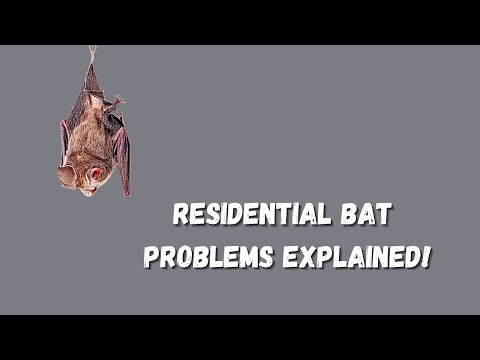
Bats play a crucial role in the UK’s ecosystems, impacting both the environment and local communities. Understanding their importance and how they interact with their surroundings can help you appreciate these fascinating creatures.
Ecosystem Roles of Bats
Bats in the UK are important for controlling insect populations. By consuming thousands of insects each night, they help maintain a natural balance in the ecosystem. This includes pests that can damage crops and plants.
You may find British bats roosting in buildings, woodland, and barns. They often use their unique echolocation abilities to navigate and hunt for food in the dark. This skill allows them to find insects even in dense foliage.
Additionally, bats contribute to pollination and seed dispersal. Some species feed on nectar and can help pollinate flowers. This supports the growth of plants vital to other wildlife.
The Importance of Bat Conservation
As bat populations decline due to habitat loss and other threats, we must prioritize conservation. You can support bat conservation through awareness and action.
Protecting their habitats ensures biodiversity and ecosystem health. Many bat species in the UK are legally protected. This means that any harm to them or their roosts can lead to severe penalties.
Your understanding and respect for these laws are essential. Consider creating bat-friendly gardens or habitats.
Installing bat boxes can provide safe roosting places. Engaging with local wildlife groups can also help protect these important animals in your area.


