
If you’re looking to attract bats to your garden, you might be wondering what food you can put out for them. Bats primarily eat insects, so providing a natural habitat that supports insects will help bring them to your yard.
Creating a welcoming environment with native plants can attract moths, beetles, and mosquitoes, which are food sources for these beneficial creatures.

To enhance your efforts, consider adding specific plants that bloom at night, like evening primrose and moonflower. These plants will draw in more nocturnal insects, making your garden a popular dining spot for bats.
Supporting bat conservation efforts helps keep insect populations in check, which benefits your garden and the greater ecosystem.
By fostering a friendly environment for bats, you not only support their survival but also enjoy the natural pest control they provide. Watching bats swoop through your yard can be a fascinating experience, especially knowing they play such an important role in maintaining the balance of nature.
Creating a Bat-Friendly Garden

Creating a bat-friendly garden can help support local bat populations and their habitats. By choosing the right plants, setting up a water source, and providing shelter, you’ll make your garden welcoming for these important creatures.
Choosing the Right Plants
Select native plants that thrive in your area. These plants attract insects, like moths, which are a primary food source for many bat species.
Consider incorporating:
- Night-blooming flowers: Plants like evening primrose and moonflower release fragrant blooms that draw in insects at night.
- Fragrant flowers: These can entice both bats and their food sources.
- Avoid pesticides: Using chemicals can harm bats and their insect prey.
Native plants also help with pollination, supporting the overall ecosystem. Research local plants that will flourish in your garden.
Setting Up a Water Source
Bats need a reliable water source for drinking. You can create a suitable habitat by adding a small pond, birdbath, or another water feature. Ensure the water is deep enough for bats to swoop down and drink.
Key points to remember:
- Make the water source at least 7-10 feet long to suit bats’ drinking habits.
- Include exit ramps for safety in case bats or other wildlife fall in.
- Keep the area around the water clear of obstructions to allow easy access.
This helps create a safe and enjoyable spot for bats to hydrate and rest.
Providing Shelter
Creating a safe space for bats to roost is essential. Consider adding bat houses or bat boxes in your garden. These can provide resting spots, especially for tree bats that prefer roosting high.
Other options include:
- Leaving dead trees standing: These can serve as natural habitats.
- Placing boxes near garden areas: This encourages bats to visit often.
Be sure to position shelters in areas that receive sunlight and are sheltered from harsh winds. This will promote a healthy environment for bats to thrive.
Bat Diet and Food Sources
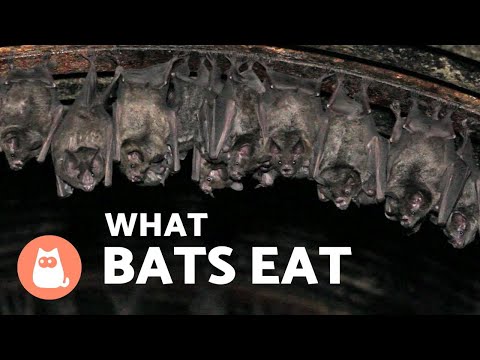
Understanding what bats eat can help you create a welcoming environment for them. Bats play a vital role in pest control by consuming insects like mosquitoes and other nocturnal pests. When you know how to encourage their natural food sources and avoid harmful chemicals, you can help bats thrive in your area.
Encouraging Natural Prey
To attract bats, consider planting native flowers and plants that produce nectar. These plants attract pollinators, which can also serve as food for bats.
Insectivorous bats mainly eat insects, helping to control pest populations. By fostering habitats that support insects, such as maintaining a small water feature or planting native grasses, you can support bats’ natural hunting grounds.
Leaving parts of your yard wild can attract more nocturnal insects, providing better food sources for bats.
Avoiding Chemicals
To keep bats safe, it’s essential to avoid using pesticides and fertilizers. Chemicals in these products can harm bats and reduce their food supply.
Insecticides kill the insects that bats rely on for food, disrupting the delicate balance of your garden’s ecosystem.
Opt for organic gardening practices instead. Composting and using natural predators, like ladybugs and lacewings, can help control pests without harming bats.
Also, be mindful of pollution, which can negatively impact the health of bat populations and their habitats. By creating a chemical-free environment, you contribute to healthier populations of bats and a more balanced ecosystem.
Bat Conservation and Health

Taking steps to protect bats is essential for their conservation and health. By understanding how to safeguard them from predators and support their hibernation needs, you can make a positive impact on bat populations.
Protecting Bats from Predators
Bats face various predators, including hawks, owls, and snakes. You can help by placing bat houses in safe locations. Choose areas away from open fields where predators might hunt.
Consider planting native trees and shrubs around your garden. These provide natural cover and help bats feel secure.
Also, be mindful of pets like cats that may pose a threat. Keeping pets indoors, especially during the evening, can protect bats.
Always report any bat sightings or issues to local conservation groups. They can guide you on how to address threats to specific bat species, including microchiroptera and megachiroptera.
Supporting Bats Through Hibernation
Bats need a safe place to hibernate during winter. You can assist by providing proper habitats such as bat houses. These can offer a warm, sheltered environment.
It’s important to install bat houses before winter so bats can find them.
During hibernation, bats are susceptible to diseases like white-nose syndrome. This condition affects their ability to survive the winter.
You can help by promoting awareness of this issue. Share information about how to recognize symptoms and prevent its spread.
Leaving dead trees in your yard can also support bats. They often roost in these trees, especially during hibernation seasons. Safe habitats make a big difference for bat health and conservation.
Benefits of Bats in Your Garden

Bats offer many advantages for your garden. They are important for pest control. In one hour, a single bat can eat up to 1,000 mosquitoes. This helps keep your yard free of annoying insects.
Bats also play a role in pollination. Many plants depend on bats for reproduction, especially in tropical areas. The nectar they consume can aid in the growth of fruits like bananas and avocados.
Another benefit comes from bat guano, or bat droppings. This natural fertilizer is nutrient-dense and rich in nitrogen, which can improve soil health. Applying guano to your plants boosts their growth and increases crop yield.
You can collect bat guano if you have bats roosting nearby. It’s an eco-friendly way to nourish your garden. Just make sure to use it properly to avoid over-fertilizing.
Having bats around not only helps your plants thrive but also contributes to a healthier ecosystem. Their presence indicates a balanced environment. Encourage these helpful creatures, and you’ll enjoy a flourishing garden.


