
Bats are fascinating creatures, but you might wonder if they really come into houses. Bats often seek shelter in homes because they provide a warm and safe environment away from predators. During colder months, or when they are looking for a place to raise their young, your attic or chimney can seem like a perfect spot for them.

While it may sound alarming to find bats in your home, understanding why they come in can help ease your concerns. They typically enter through small openings, searching for safety and warmth. By learning about their habits and needs, you can take steps to keep them out while also appreciating their role in nature.
If you suspect bats have taken up residence in your house, knowing how to address the situation is essential for both your safety and theirs. With the right information, you can ensure a peaceful coexistence with these intriguing animals.
Understanding Bat Behavior and Habitats
Bats are fascinating creatures that often seek shelter in homes for various reasons. Knowing why they choose our spaces can help in managing their presence. Their behavior, habitat preferences, and seasonal movements play a big role in how and why they might enter your house.
Why Bats Seek Refuge in Homes
Bats, like the big brown bat and little brown bat, look for safe places to roost. They often find that human structures, such as attics or basements, provide effective shelter. These areas protect them from predators and create a stable environment for roosting.
A bat colony can be quite large, and living together offers additional safety. During the day, bats are typically inactive and prefer dark, hidden spots. They are drawn to spaces where they can squeeze through small openings, which makes your home an attractive option for them.
Hibernation Patterns and Seasonal Movements
Many bat species hibernate during cold months to survive. Hibernation is essential for energy conservation, especially when food is scarce. During this time, bats often seek out caves or human structures that maintain stable temperatures.
As the seasons change, bats migrate to find warmer areas if needed. They may leave their winter roosts as spring approaches, looking for suitable locations to establish a new colony. Understanding these patterns can help you take preventive measures to keep them from entering your home.
Common Entry Points for Bats in Houses

Bats can enter your home through various openings and structural weaknesses. Knowing where these entry points are can help you take preventive measures to stop them from getting inside.
Identifying Potential Bat Entrances
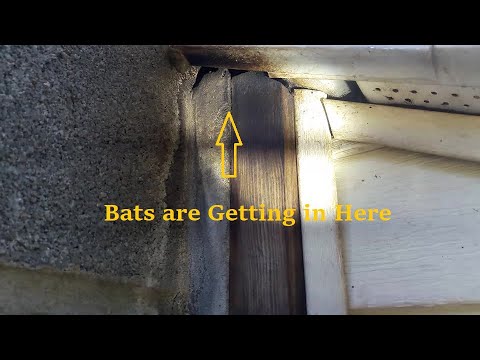
Bats can fit through surprisingly small gaps. Openings as tiny as 1/4 inch (6mm) can allow them to enter your home. Here are some common entry points to check:
- Attics: Bats often find their way into attics through loose roofing or ventilation gaps.
- Chimneys: A damaged chimney cap can be an easy entry for bats looking for a warm place to roost.
- Open Windows and Doors: Bats may fly in through doors or windows left open at dusk.
- Gaps and Cracks: Look for cracks in siding or gaps around fascia boards that might be hard to spot.
Inspecting these areas regularly can help you keep bats out.
Role of House Structures in Bat Entry
Certain parts of your home are more vulnerable to bat entry. Understanding these structures will help you identify potential risks.
- Soffits and Fascia Boards: Loose or damaged soffits can create openings. Ensure these areas are properly sealed.
- Roofing: Pay attention to roof edges where tiles might be lifted or damaged. Bats are skilled at exploiting even minor weaknesses.
- Vents: Check all vents for gaps. Screens can sometimes wear out, allowing bats easy access.
By focusing on these areas, you can better prevent bats from entering your home.
Health and Safety Concerns with Bats Indoors

When bats enter your home, they can pose health and safety risks. Understanding these concerns is important for you and your family. Here’s what you should know about diseases linked to bats and why getting professional help for removal is crucial.
Diseases Associated with Bats
Bats can carry several diseases that might affect humans. The most significant concern is rabies. This viral infection is often fatal if not treated right away. If a bat bites you, seek medical help immediately.
Another health risk involves bat droppings, known as guano. Guano can harbor a fungus that causes histoplasmosis, a serious respiratory illness. Exposure to this fungus happens when guano becomes airborne, especially if you disturb it.
To reduce these risks, avoid direct contact with bats and their droppings. Always use protective gear if you have to handle any droppings and clean up spills carefully.
Importance of Professional Bat Removal
Removing bats from your home can be dangerous. Professionals know how to do it safely and effectively. They can assess the situation and ensure that bats are removed without harm to you or the animals.
Attempting to remove bats on your own may expose you to health risks, such as bites or exposure to guano. A professional will also check for entry points to prevent future intrusions. They often use bright lights and other methods to safely guide bats out.
By choosing expert help, you ensure a thorough job that keeps everyone safe and helps maintain a healthy living environment.
Prevention and Removal of Bats

Keeping bats out of your home involves understanding how they enter and taking proactive steps to prevent them. If you do find yourself with a bat problem, knowing the best ways to handle removal can make a big difference.
How to Bat-Proof Your Home
To keep bats from entering your home, start by inspecting your house. Look for small openings around your roof, eaves, and vents. Bats can squeeze through gaps as small as 1/2 inch!
Next, seal any potential entry points. Use materials like steel mesh or caulk. Also, pay attention to your attic and basement areas. Install bat-proof insulation that can deter bats from nesting.
Consider installing bat houses in your yard. This can encourage bats to roost outside instead of in your home. Finally, avoid leaving food sources like open trash or compost piles near your house. Taking these actions will help reduce the risk of a bat infestation.
Steps for Safe Bat Removal
If you find a bat inside your home, stay calm. Do not attempt to touch or chase it. Instead, give the bat a way to exit. Open windows and doors to create an escape route.
If the bat does not leave, contact professional bat removal services. Professionals understand how to safely handle bats and can avoid any health risks, such as exposure to bat guano, which can carry diseases.
In situations involving young bats, keep in mind that they are often less mobile. Avoid removing them yourself. Reach out to experts who can assess your specific situation and ensure the young bats are handled safely and humanely.
By following these tips, you can manage bat entry and ensure a safe environment for you and your family.


