
Finding a bat in your home or outside can be surprising and a bit concerning. Bats play a vital role in the ecosystem by controlling insect populations and aiding in pollination. If you encounter a bat, stay calm and avoid direct contact, as they can carry diseases.

To safely handle the situation, turn off the lights in the room to help the bat find its way out. Close doors to limit its movement, and allow it to escape on its own. If the bat seems injured or trapped, it’s best to seek help from wildlife professionals who can assist and ensure both your safety and the bat’s well-being.
Understanding how to react when you find a bat can turn a scary moment into a chance to learn more about these fascinating creatures. Just remember, they are usually more frightened of you than you are of them!
Immediate Steps Upon Finding a Bat
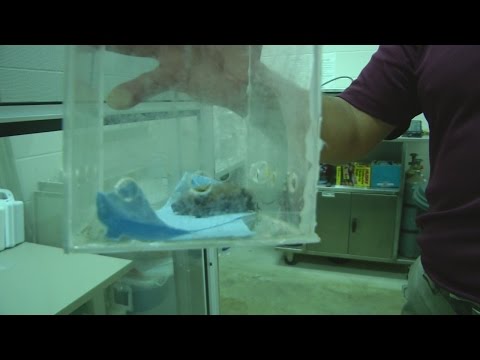
When you encounter a bat, it’s important to stay calm and take the right steps. Knowing how to assess the situation and keep yourself safe can help you respond in a caring way.
Assessing the Situation
First, observe the bat from a distance. If it is hanging quietly, it may be resting or roosting. If the bat is on the ground, it could be injured. Look for signs of distress, like twitching or inability to fly.
If it’s flying around, avoid trying to catch it. Bats can be quick and nervous. If the bat appears healthy, it might just be confused and trying to find its way out. In any case, avoid direct contact, as this can put you at risk for rabies, a serious disease that bats can carry.
Safety Precautions
Your safety is the top priority. Always use gloves if you must handle a bat, or avoid touching it altogether. Remember, direct contact can increase the risk of rabies transmission.
If you suspect the bat may be injured, don’t try to feed or treat it yourself. Instead, close off the room and let it find an escape route. Close doors and windows but leave a small opening for the bat to exit.
If the bat is grounded, do not make sudden movements. Instead, give it time to recover and move. If you are unsure or uncomfortable, contact a local wildlife rescue for help.
Contacting Professionals

If you find a bat, it’s important to know when and how to contact professionals. This ensures both your safety and the well-being of the bat. Here are key points to consider when reaching out to experts.
When to Call a Wildlife Rehabilitator
You should contact a wildlife rehabilitator if the bat appears injured or is grounded during the day. These professionals are trained to handle wild animals and can provide the proper care a bat may need.
When calling, be ready to provide details about the bat’s condition and location. A rehabilitator can guide you on how to safely contain the bat if necessary.
Do not attempt to care for the bat yourself. It’s not safe and may harm the bat. Always let experts handle situations involving wild animals.
Consulting State Wildlife Agency
Your state wildlife agency is another key resource. They can provide guidance about local laws regarding bats and any necessary permits for handling wildlife.
If you suspect the bat is rabid or if it has bitten someone, contacting the agency is crucial. They can advise you on testing the bat for rabies or other health risks.
Finding out how the bat got inside your home may also be helpful. The agency can assist by providing tips on preventing future bat intrusions.
Reaching Out to Animal Control
Animal control can be a helpful option if the bat is inside your home. They have the expertise to safely remove the bat without harming it.
When you call, explain the situation clearly. Let them know if the bat poses any immediate danger or needs urgent help. They may provide instructions on staying safe while waiting for assistance.
Remember, you should avoid touching the bat yourself, as this can be dangerous. Animal control can handle the situation professionally and safely for both you and the bat.
Aftercare and Prevention

After finding a bat, it’s essential to handle the situation carefully. This involves following specific aftercare steps and taking preventive measures to avoid future encounters.
Post-Rescue Guidelines
Once the bat is safe, monitor it closely. If you suspect it is injured, do not attempt to treat it yourself. Instead, contact local wildlife rehabilitators, who are trained to help. They can provide the right care and treatment needed while ensuring the safety of both you and the bat.
Key Contacts:
- Call wildlife rehabilitators.
- Reach out to the U.S. Fish and Wildlife Service for additional guidance.
Make sure the bat is in a secure container, like a cardboard box with ventilation. Keep it in a quiet and dark place until professionals can assess the situation. Avoid direct contact with the bat to reduce the risk of potential disease transmission.
Preventive Measures
To prevent future bat encounters, there are several steps you can take. First, inspect your home for any openings or gaps where bats might enter. Seal any holes around windows, doors, and vents, as these can invite bats inside.
Helpful Tips:
- Install screens on windows and chimneys.
- Keep your attic and basement clean and clutter-free.
Also, avoid leaving food or standing water outside, as these can attract insects, which in turn attract bats. Regularly check your property and take quick action if you spot any signs of bats. By staying vigilant, you help keep your living spaces bat-free.
Understanding Bat Behavior and Importance

Bats play a crucial role in our ecosystem. They help control insect populations, like mosquitoes, which can be a nuisance. By eating insects, bats reduce the need for pesticides, making our environment healthier.
Biologists study bat behavior to learn how they navigate and find food. Bats use echolocation, sending out sound waves to locate insects in the dark. This skill is vital for their survival and helps maintain the balance in nature.
When you see a bat, it’s often just trying to find a place to roost or hunt for food. In winter, many bats hibernate in attics and caves. They prefer warm, dark places, making your home an attractive spot.
If you find a bat in your house, it’s important to be cautious. Be aware that bats are often protected by laws set by the department of natural resources. Instead of handling the bat yourself, contact a professional for help.
You can also help bats by creating a friendly environment around your home. Consider installing bat houses, which provide safe roosting spots. Planting native flowers can attract insects for them to feed on. This not only supports bats but also enhances your garden.


